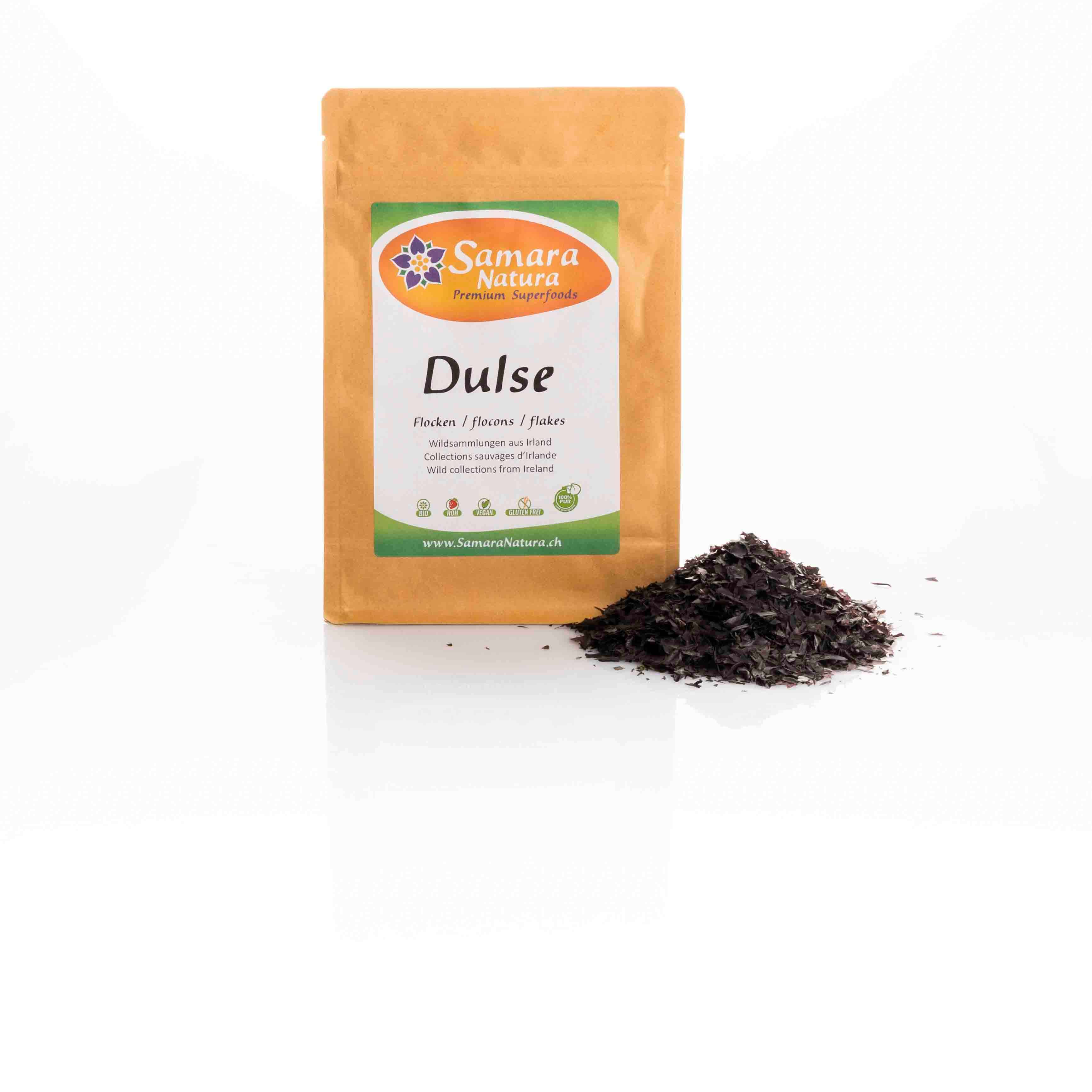
Update: The new batch is ground finer than before. The dulse flakes are only approx. 1 mm in size. Atlantic dulse flakes from Ireland, organic & raw food quality What is dulse? Atlantic dulse or lobster seaweed (Palmaria palmata) is a red algae, crunchy with a bite and a strong purple-red colour. It does not need to be cooked or soaked and can therefore be used in many different ways in the kitchen. Dulse is extremely low in calories, fat- and cholesterol-free, rich in minerals as well as vitamin B6, fibre and protein. It has the highest iron content of all sea vegetables. 10g of dried dulse is equivalent to around 100g of fresh dulse. Why consume dulse? Dulse is one of the easiest sea vegetables to use. It tastes mild and spicy and adds flavour and colour to any dish. It is also one of the few purple-coloured foods and purple is the colour of spiritual consciousness, the third eye. What makes our dulse flakes from Ireland special? The dulse seaweed comes from quality producers in Ireland. After harvesting, the wild-growing organic dulse is dried very gently and in raw food quality using a cold air drying system. They are then ground into flakes. Please note: Due to the wild harvest, small mussels may adhere to the dulse leaves. The producer himself and we check the purity as well as possible when packing into the bags. For safety reasons, we ask you to briefly check the dulse flakes before eating them. Varying consistency (bite resistance) The consistency (firmness) of the dulse flakes can vary depending on the batch and season. This may be due to the time of harvest or the development of the individual plants at the time of harvest. Dulse algae are wild-growing plants. They are generally harvested shortly before flowering so that the plants are still young enough to be sufficiently tender. Prolonged soaking or heating (boiling) reduces the bite strength. How to use dulse flakes? Dulse has been traditionally harvested for generations and can be eaten straight from the bag (rinsed beforehand if necessary) or used as an ingredient in smoothies (e.g. for detox smoothies). They are also suitable as a topping for salads, sandwiches as well as lentil dishes or rice dishes.Dulse is also suitable steamed over potatoes or crispy roasted as a snack and other dishes. In soups and stews, ideal with pulses and cereal dishes. Add towards the end of the cooking time. Ingredients 100% Dulse/ Lappentang (Palmaria Palmata)** from certified organic origin Important notes Due to the high mineral content, we recommend a daily ration of 5g. Particular caution is advised for people with thyroid disorders due to the iodine content. These seaweeds may contain parts of crustaceans and grains of sand due to processing. Therefore, please check the leaves/flakes briefly before consumption. Nutritional values per 100g / per 5g (portion) Energy 320Kcal/1340KJ / 16Kcal/67KJProteins 14.8g / 0.7gCarbohydrates 47.7g / 2.4gof which sugar 12.8g / 0.6gFat 2.56g / 0.1gof which saturated fatty acids 1g / 0.05gDietary fibre 7.9g / 0.4gSalt 5.4g / 0.3gVitamin B12 4.8µg / 0.24µgIron 23mg / 1.2mgSelenium 0.3mg / 0.01mgIodine 32mg / 1.5mg
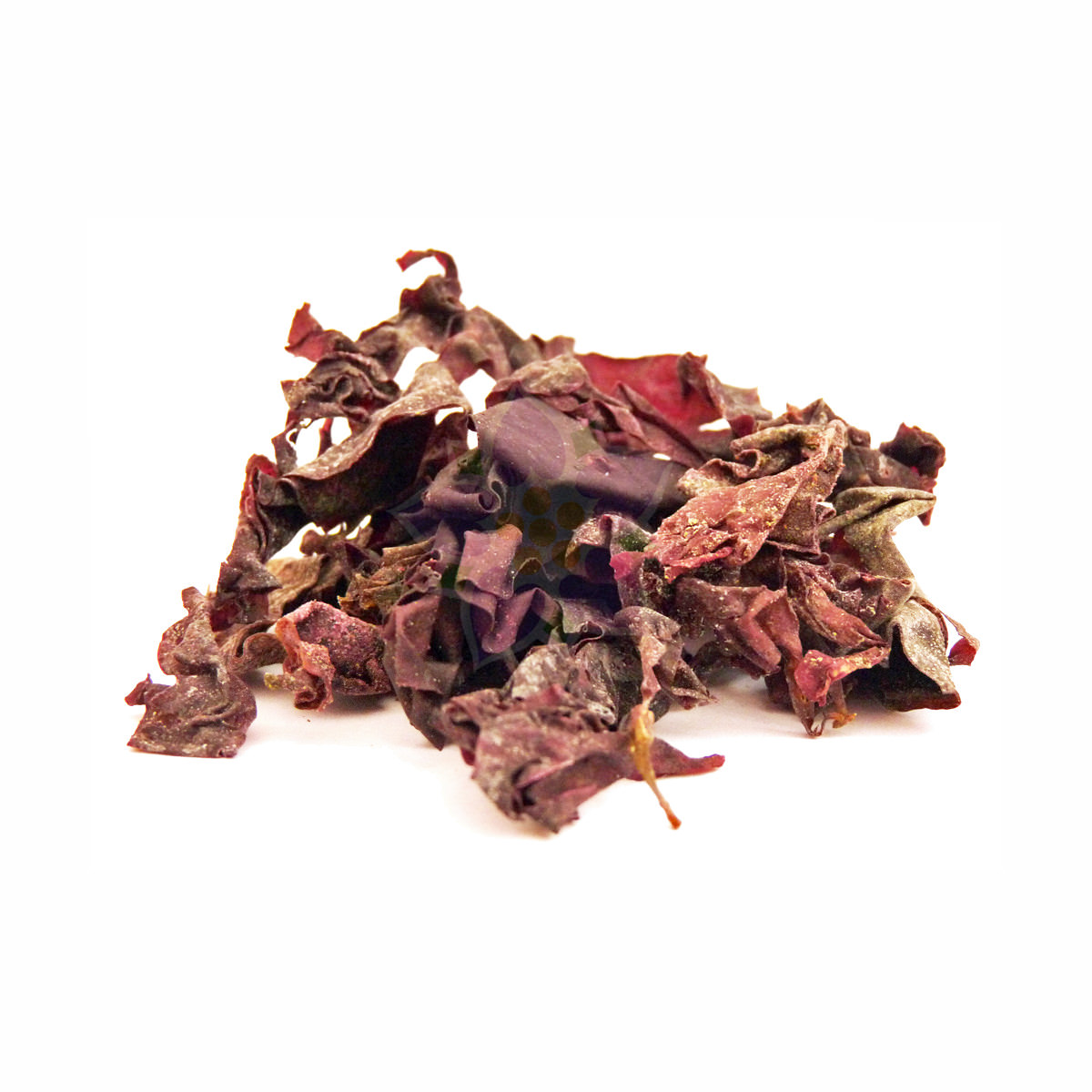
Organic Atlantic dulse leavesUpdate: The 40g bags are large, uncut leaves from Ireland. We only have a few bags left and are discontinuing this variant because it has caused confusion in the past. As an alternative, we have dulse flakes and dulse powder in our range. What is dulse? Atlantic dulse or lobster seaweed (Palmaria palmata) is a red algae, crunchy with a bite and a strong purple-red colour. It does not need to be cooked or soaked and can therefore be used in many different ways in the kitchen. 10g of dried dulse is equivalent to around 100g of fresh dulse.Dulse is one of the easiest sea vegetables to use. It tastes mild and spicy and adds flavour and colour to any dish. It is also one of the few purple-coloured foods and purple is the colour of spiritual consciousness, the third eye. Why consume dulse? Dulseis extremely low in calories, fat and cholesterol free, rich in minerals as well as vitamin B6, fibre and protein. It has the highest iron content of all sea vegetables. Dulseis extremely low in calories, fat and cholesterol free, rich in minerals as well as vitamin B6, fibre and protein. It has the highest iron content of all sea vegetables. What makes our Irish dulse leaves special? The dulse is collected wild in the west of Ireland (Donegal) at low tide, harvested by hand and gently dried (below 42° C). Please note: Due to the wild harvesting from the rocks, small shells or stones may adhere to the dulse leaves. The producer himself and we check the purity as well as possible when packing into the bags. For safety reasons, we ask you to briefly check the dulse leaves before eating them. Varying consistency (bite resistance)The consistency (bite resistance) of the dulse leaves can vary depending on the batch and season. This may be due to the time of harvest, the development of the individual plants at the time of harvest and the drying time. Dulse algae are wild-growing plants. They are generally harvested shortly before flowering so that the plants are still young enough to be sufficiently tender. Prolonged soaking or heating (boiling) reduces the bite strength. How to use dulse leaves? Thesedulse leaves are large dried leaves. They are best used as a savoury raw snack (eaten straight from the bag) and lightly chopped for various recipes. Due to their spicy aroma, dulse leaves are also suitable for steaming over potatoes, pulses and cereal dishes, for example. We recommend adding it towards the end of the cooking time. Prolonged heating (cooking) or soaking reduces the firmness to the bite. Dulse also goes well crispy roasted or lightly sliced in salads. It can be rinsed beforehand if required. We recommend the powder for detox smoothies. Important notes Due to the high mineral content, we recommend a daily ration of 5g. Particular caution is advised for people with thyroid disorders due to the iodine content. These seaweeds may contain parts of crustaceans and grains of sand due to processing. Therefore, please check the leaves briefly before consumption. Nutritional values per 100g / per 5g (portion) Energy 320Kcal/1340KJ / 16Kcal/67KJProteins 14.8g / 0.7gCarbohydrates 47.7g / 2.4gof which sugar 12.8g / 0.6gFat 2.56g / 0.1gof which saturated fatty acids 1g / 0.05gDietary fibre 7.9g / 0.4gSalt 5.4g / 0.3gVitamin B12 4.8µg / 0.24µgIron 23mg / 1.2mgSelenium 0.3mg / 0.01mgIodine 32mg / 1.5mg
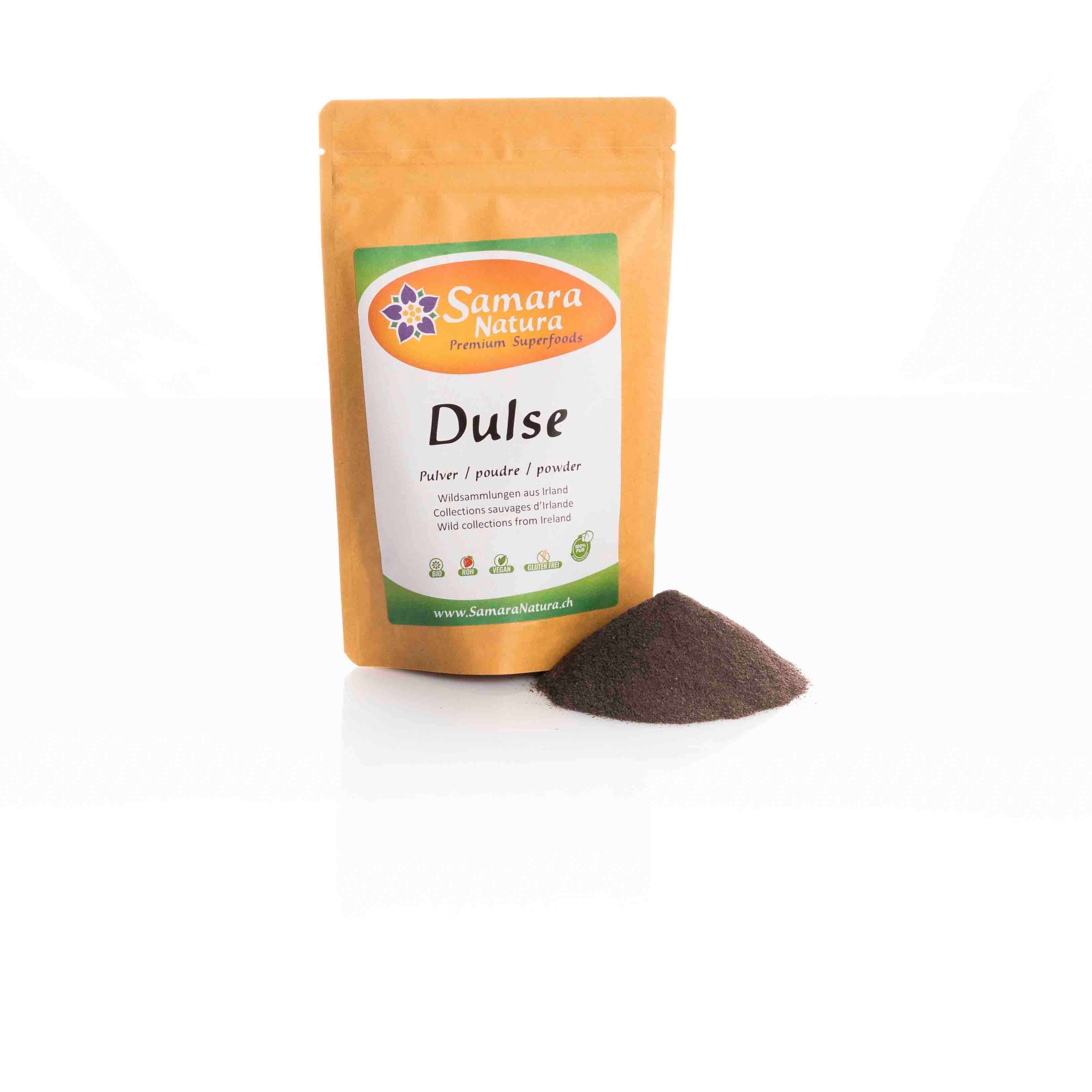
Update: The new batch of dulse powder will be packaged on 6 February. In the meantime, we recommend the finely ground dulse flakes (approx. 1mm in size). Atlantic dulse powder (lobster seaweed, red algae) in organic & raw food quality We have been stocking a wide and high-quality range of organic Atlantic dulse for many years. This dulse powder from Ireland is the simplest form for detox smoothies. It can also be used to flavour food. We also offer dulse flakes from Ireland and dulse leaves cut from Galicia (Spain). Several sizes are available and you can benefit from graduated prices (5% quantity discount from 3 pieces). Atlantic dulse or lobster seaweed (Palmaria palmata) is a red algae, soft with a bite and a strong purple-red colour. It does not need to be cooked or soaked. This makes dulse a great snack or a flavourful topping for potato and lentil dishes as well as salads. In recent years, dulse has also become popular as an ingredient in detox smoothies. Dulse is extremely low in calories, fat- and cholesterol-free, rich in minerals as well as vitamin B6, fibre and protein. It has the highest iron content of all sea vegetables. 10g of dried dulse is equivalent to around 100g of fresh dulse. Why use dulse powder Dulse is one of the easiest sea vegetables to use. It tastes mild and spicy and adds flavour and colour to any dish. It is also one of the few purple coloured foods and purple is the colour of spiritual consciousness, the third eye. Irish dulse from wild collection Our dulse is collected wild in the west of Ireland at low tide and harvested by hand. With the help of a cold air drying system, the organic seaweed is dried very gently and in raw food quality. The leaves are then ground into powder. Variants: Due to the different consumption quantities and requirements, we offer dulse powder in 100g and 250g bags. The larger bag is approx. 16.5% cheaper. Use of dulse Dulse has been traditionally harvested for generations and can be eaten straight from the bag or used as an ingredient in smooties. Dulse is also suitable steamed over potatoes or crispy roasted as a snack or with salads and other dishes. As a raw food straight from the bag or in salads (can be rinsed beforehand if necessary). In soups and stews, ideal with pulses and cereal dishes. Add towards the end of the cooking time. Ingredients 100% organic dulse / lobster kelp (Palmaria palmata). Important notes Due to the high mineral content, we recommend a daily ration of 5g. Particular caution is advised for people with thyroid disorders due to the iodine content. These seaweeds may contain parts of crustaceans and grains of sand due to processing. Therefore, please check the leaves/flakes briefly before consumption. Nutritional values per 100g / per 5g (portion) Energy 320Kcal/1340KJ / 16Kcal/67KJProteins 14.8g / 0.7gCarbohydrates 47.7g / 2.4gof which sugar 12.8g / 0.6gFat 2.56g / 0.1gof which saturated fatty acids 1g / 0.05gDietary fibre 7.9g / 0.4gSalt 5.4g / 0.3gVitamin B12 4.8µg / 0.24µgIron 23mg / 1.2mgSelenium 0.3mg / 0.01mgIodine 32mg / 1.5mg Sea vegetables in general Sea vegetables are wild plants of the ocean that grow on coral reefs and rocky coasts, usually in salt water. Sea vegetables are enjoyed in many coastal regions around the world and enrich most dishes with flavour and nutrients. Sea vegetables contain almost all the minerals and trace elements that the sea has to offer! In general, sea vegetables are an excellent source of calcium, iodine and sodium, a very good source of folic acid and magnesium and a good source of iron, potassium, vitamin B2 and B5. They also contain vitamin K and trace elements such as selenium and chromium, which are often lacking in land vegetables due to depleted soils. Sea vegetables are an ideal substitute for salt in a wide variety of dishes.
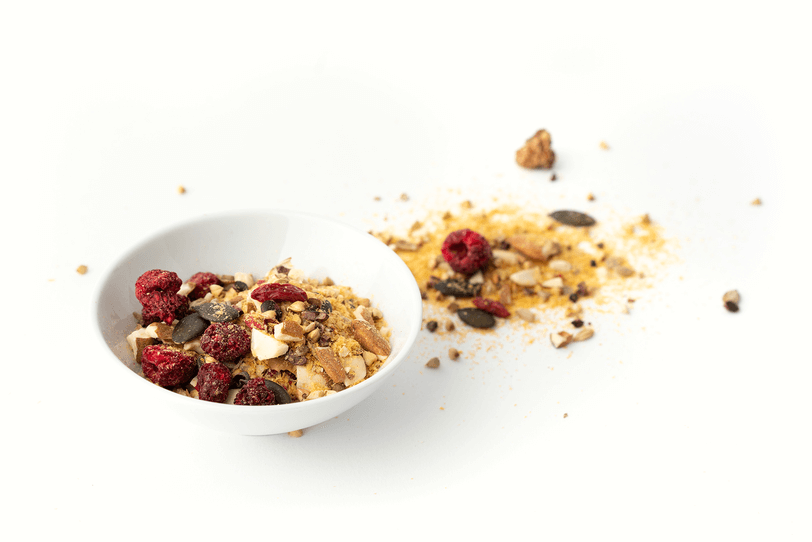
Fine muesli Exotic Mango from Naturkostbar Naturkostbar's mango muesli has been enriching our muesli range for a few years now. Exotically sweet mango flakes together with nine of our most valuable raw food ingredients make the müesli something very special: Enjoy a wholesome start to the day with our mango müesli. The selected nuts, seeds and dried fruit harmonise perfectly in taste and tempt you into a crunchy, tender, fruity-sweet breakfast. The muesli provides you with a concentrated load of nutrients and is very digestible. Sprouted almonds, buckwheat, sunflower and pumpkin seeds together with mango flakes and cocoa pieces form the basis of the gluten-free müesli. Germination allows the nuts and seeds to develop their full nutritional potential. The subsequent gentle drying process makes them wonderfully crunchy, without any roasting. Dried berries give the müesli a natural sweetness. Why sprout? Almonds, buckwheat and sunflower seeds are sprouted after harvesting so that they can develop their full mineral and vitamin density. Germination activates the dormant life forces in the grain, which allows the small germ to grow into a plant. These forces are then carefully preserved during the gentle drying process, making the buckwheat, almonds and sunflower seeds beautifully crunchy. The oats are carefully processed into wholemeal flakes and enrich the mixture with a variety of nutrients, fibre and amino acids. Usage Mango muesli is the perfect start to your day. Enjoy it with fresh almond or hazelnut milk. You can also use it as a muesli base and add cereal flakes, fresh fruit and nut butter. Our muesli is vegan, gluten-free and contains no sweeteners. This makes it perfect for a balanced breakfast. Mango müesli ingredients Sprouted organic almonds Sprouted organic sunflower seeds Sprouted organic buckwheat Organic mango flakes 13% Sprouted organic pumpkin seeds Organic cocoa beans Organic goji berries Organic physalis Organic raspberries Mango muesli ingredients Our mango muesli is particularly rich in nutrients. Particularly noteworthy are the B vitamins, vitamin E and trace elements such as potassium, magnesium and manganese. Almonds contain high levels of vitamin E and vitamin B2, calcium, magnesium, phosphorus, iron, zinc and potassium. They are also a source of vitamin B1, vitamin B3 and folic acid. Buckwheat also provides many of the B-complex vitamins. Carefully selected cocoa beans provide plenty of magnesium and are rich in antioxidants and phytochemicals. Dried fruits, such as dried goji berries, contain vitamin B and a lot of iron, which our body needs for blood formation and oxygen transport. Nutritional values of mango muesli per 100g Nutritional values Øper 100g/100ml%11 Reference amount for an average adult (8400kJ/2000kcal) Energy 2054kJ (492kcal) 24% fat 29.7g 42% of which saturated fatty acids 4.97g 25% of which monounsaturated fatty acids 9.9g 66% of which polyunsaturated fatty acids 4.8g - Carbohydrates 35.6g 14% thereof sugar 15.2g 17% Dietary fibre 12.1g 24% Protein 16.4g 33% salt 0.033g 1% B-carotene (provitamin A) - - Vitamin A 2.8µg 0% Vitamin B1 0.35mg 32% Vitamin B2 0.2mg 14% Vitamin B3 1.2mg 8% Vitamin B6 0.3mg 21% Vitamin B12 - - Vitamin C 4.4mg 6% Vitamin D 0µg 0% Vitamin E 8.3mg 69% Vitamin K - - Biotin 2.5µg 5% Calcium 143.4mg 18% Chloride 16.3mg 2% Chromium - - iron 4.9mg 35% Fluoride 0.01mg 0% Folic acid/folacin 12.2µg 6% iodine 1.4µg 1% Potassium 450.4mg 23% Copper 0.4mg 40% magnesium 175.4mg 47% Manganese 1.2mg 60% Molybdenum - - Pantothenic acid 0.1mg 2% phosphorus 201.2mg 29% Selenium - - Zinc 3.9mg 39%
Content: 500 Gramm (CHF 4.60 / 100 Gramm)
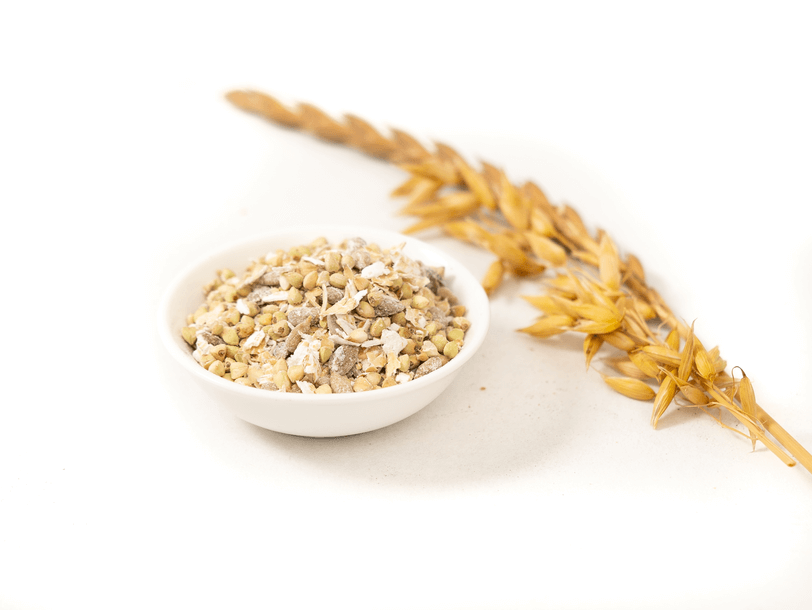
3-Korn-Müesli angekeimt is now called Edelmüesli Pure Basics In addition to the muesli range from Rohkosthüsli(breakfast muesli, apricot muesli and sour cherry muesli), we now have the sprouted 3-grain muesli from Naturkostbar in our range. This combines sprouted wholemeal oat flakes, sprouted buckwheat seeds and sprouted sunflower seeds. They provide us with lots of minerals, trace elements and vitamins and make a perfect breakfast base. The wholesome three-grain mixture has a balanced, mildly nutty flavour. The grains contain less than 20 ppm gluten and are therefore also suitable as a gluten-free food. Origin and production Produced in Romania. The ingredients come from Holland, Poland and Hungary. Naturkostbar sources the sprouted wholemeal flakes and grains directly from a family business in Romania, which specialises in sprouted raw food and refines the harvests of numerous organic farmers from Europe. The mindful, natural philosophy fits perfectly with our values. Why sprout? Oats, buckwheat and sunflower seeds are sprouted after harvesting so that they can unfold their full mineral and vitamin density. Germination activates the dormant life forces in the grain, which allows the small germ to grow into a plant. These forces are then carefully preserved during the gentle drying process, making the buckwheat and sunflower seeds beautifully crunchy. The oats are carefully processed into wholemeal flakes and enrich the mixture with a variety of nutrients, fibre and amino acids. Use The wonderful three-grain mix is ideal as a nutrient-rich basic muesli. It tastes great in combination with fresh berries and fruit as well as sultanas, dates, hemp seeds, açai powder, cocoa powder and many other ingredients. Also suitable for cereal patties. Pure Basics muesli ingredients Sprouted organic oats Sprouted organic buckwheat Sprouted organic sunflower seeds Sprouted oats Sprouted raw oats contain an impressive variety of minerals, trace elements and vitamins. For example, the biotin in oats can support skin, hair and nails, and vitamins B1 and B6 can strengthen nerves and the psyche. Oats contain at least twice as much iron as meat. For good absorption, it is best to combine the flakes with fruit containing vitamin C or, in a savoury version, with salad and vegetables, for example as a grain burger. As a component of red blood cells, iron promotes the transport of oxygen in the blood. The grain also scores highly with magnesium and silicon. Oats also provide valuable antioxidants. Sprouted buckwheat Buckwheat contains all the essential amino acids and can therefore support the development of muscles, organs, cartilage, bones, skin, hair and nails. Buckwheat is also rich in iron and selenium. As a component of red blood cells, iron promotes the transport of oxygen in the blood. And selenium can protect cells from oxidative stress and promote the normal function of the thyroid gland. Sprouted sunflower seeds Sunflower seeds provide us with particularly high levels of vitamin E. They also contain vitamin B and a particularly high amount of unsaturated fatty acids. The seeds are a valuable source of folic acid, zinc and potassium. Phosphorus, iron and magnesium can contribute to normal energy metabolism. Sunflower seeds can also support our organism with their high content of essential amino acids. Amino acids are involved in almost all metabolic processes and transport important nutrients and oxygen through our body. Most hormones and antibodies are also made up of amino acids, so a deficiency can quickly manifest itself in a poorly functioning immune system. Nutritional information 3-grain muesli sprouted per 100g Nutritional values Øper 100g/100ml%11 Reference quantity for an average adult (8400kJ/2000kcal) Energy 1497kJ (355kcal) 18% fat 4.5g 6% of which saturated fatty acids 0.83g 4% of which monounsaturated fatty acids - - of which polyunsaturated fatty acids - - Carbohydrates 62.1g 24% thereof sugar 3g 3% Dietary fibre 11.8g 24% Protein 10.6g 21% salt 0.03g 1% B-carotene (provitamin A) - - Vitamin A - - Vitamin B1 0.31mg 28% Vitamin B2 0.1mg 7% Vitamin B3 - - Vitamin B6 0.4mg 29% Vitamin B12 - - Vitamin C - - Vitamin D - - Vitamin E - - Vitamin K - - biotin - - Calcium 187.1mg 23% Chloride - - chromium - - iron 4.7mg 34% fluoride - - Folic acid/folacin - - iodine - - potassium - - Copper 0.1mg 10% magnesium 135mg 36% manganese 0.3mg 15% Molybdenum - - pantothenic acid - - phosphorus - - selenium - - Zinc 3.5mg 35%
Content: 500 Gramm (CHF 2.64 / 100 Gramm)
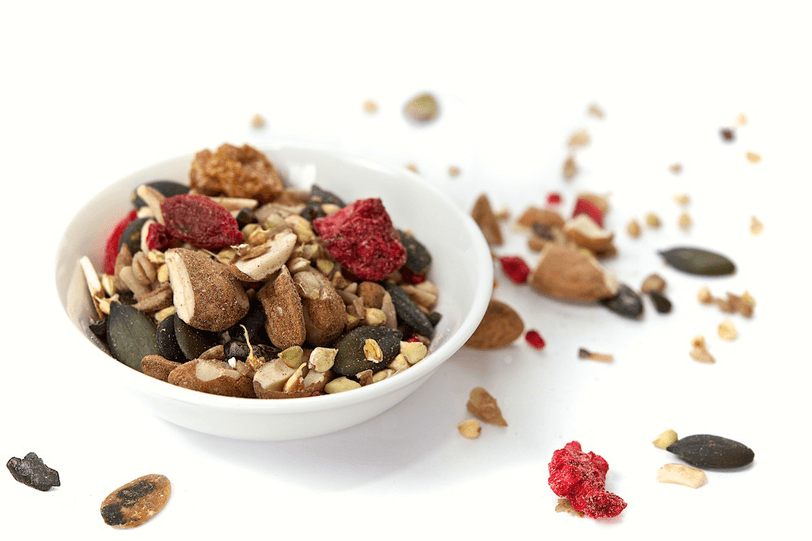
Sweet Banana organic muesli (previously banana muesli) from Naturkostbar In addition to the muesli range from Rohkosthüsli(breakfast muesli, apricot muesli and sour cherry muesli), we now have the 3-grain muesli, mango muesli and this banana muesli from Naturkostbar in our range. Naturally sweet banana flakes together with ten of our most valuable raw food ingredients make our müesli something very special: Enjoy a wholesome start to the day with our banana classic. The selected nuts, seeds and dried fruit harmonise perfectly in taste and tempt you into a crunchy, tender, sweet and fruity breakfast. The muesli provides you with a concentrated load of nutrients and is very digestible. Sprouted almonds, buckwheat, sunflower and pumpkin seeds together with banana flakes and pieces of cocoa form the basis of the gluten-free müesli. Germination allows the nuts and seeds to unfold their full nutritional potential. During the subsequent gentle drying process, they become wonderfully crunchy without being roasted. Dried berries give the muesli a natural sweetness. Finally, two nutrient-rich plants, lucuma and maca powder, enhance the delicacy: the sweet raw food powders made from sun-ripened lucuma fruits and ground maca roots provide an extra portion of nutrients. Why sprout? Almonds, buckwheat and sunflower seeds are sprouted after harvesting so that they can develop their full mineral and vitamin density. Germination activates the dormant life forces in the grain, which allows the small germ to grow into a plant. These forces are then carefully preserved during the gentle drying process, making the buckwheat, almonds and sunflower seeds beautifully crunchy. The oats are carefully processed into wholemeal flakes and enrich the mixture with a variety of nutrients, fibre and amino acids. Usage The banana muesli is the perfect start to your day. Enjoy it with fresh almond or hazelnut milk. You can also use it as a muesli base and add cereal flakes, fresh fruit and nut butter. Our muesli is gluten-free and contains no sweeteners. This makes it perfect for a balanced breakfast. Mango müesli ingredients Sprouted organic almonds Sprouted organic buckwheat Sprouted organic sunflower seeds Organic sprouted banana flakes Sprouted organic pumpkin seeds Organic cocoa beans Organic goji berries Organic physalis Organic raspberries Organic lucuma Organic Maca Banana muesli ingredients The banana muesli is particularly rich in nutrients. Particularly noteworthy are the B vitamins, vitamin E and trace elements such as potassium, magnesium and manganese. Almonds contain high levels of vitamin E and vitamin B2, calcium, magnesium, phosphorus, iron, zinc and potassium. They are also a source of vitamin B1, vitamin B3 and folic acid. Buckwheat also provides many of the B-complex vitamins. Carefully selected cocoa beans provide plenty of magnesium and are rich in antioxidants and phytochemicals. Banana flakes provide magnesium, potassium and manganese and can therefore support bone formation, metabolic processes and the nervous system. The dried fruits, such as dried goji berries, contain vitamin B and a lot of iron, which our body needs for blood formation and oxygen transport. Nutritional information banana muesli per 100g Nutritional values Øper 100g/100ml%11 Reference amount for an average adult (8400kJ/2000kcal) Energy 2059kJ (494kcal) 25% fat 29.2g 42% of which saturated fatty acids 4.92g 25% of which monounsaturated fatty acids 9.9g 66% of which polyunsaturated fatty acids 4.8g - Carbohydrates 36.9g 14% thereof sugar 15.5g 17% Dietary fibre 11.8g 24% Protein 16.6g 33% salt 0.03g 1% B-carotene (provitamin A) - - Vitamin A 2.8µg 0% Vitamin B1 0.35mg 32% Vitamin B2 0.2mg 14% Vitamin B3 1.2mg 8% Vitamin B6 0.3mg 21% Vitamin B12 - - Vitamin C 5.1mg 6% Vitamin D 0µg 0% Vitamin E 8.2mg 68% Vitamin K - - Biotin 2.5µg 5% Calcium 116.7mg 15% Chloride 16.1mg 2% chromium - - iron 4.7mg 34% Fluoride 0.01mg 0% Folic acid/folacin 12.1µg 6% iodine 1.4µg 1% Potassium 525.7mg 26% Copper 0.4mg 40% magnesium 187.8mg 50% Manganese 1.9mg 95% Molybdenum - - Pantothenic acid 0.1mg 2% phosphorus 200.3mg 29% Selenium - - Zinc 3.9mg 39%
Content: 500 Gramm (CHF 4.37 / 100 Gramm)
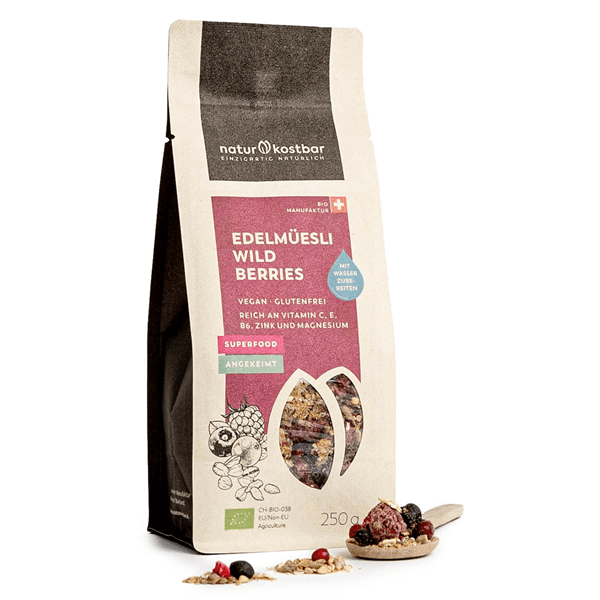
Noble Muesli Wild Berries Organic Naturkostbar 250g What makes this Edelmüesli Wild Berries special? This gluten-free muesli is based on sprouted oats, buckwheat, sunflower seeds and banana flakes, wild berries and the vitamin C-rich camu camu fruit. Germination allows the grains and seeds to develop their full nutritional potential. They are then gently dried so that they remain deliciously crunchy without being roasted.This fine muesli Wild Berries provides plenty of nutrients and is extremely digestible. Even when prepared with just water, its flavour is impressive at any time of day and in any place. Why consume this delicious fine müesli? This Wild Berries Müesli is rich in valuable nutrients, especially natural vitamin C and zinc.Oat flakes, sunflower seeds and hemp seeds provide a variety of B vitamins and important minerals such as iron, magnesium, manganese and potassium. The wild-grown cranberries and blueberries from Finland also provide you with valuable antioxidants and secondary plant substances. How to integrate into everyday life? Arctic Berries Müesli is a versatile companion: start your day with an energy-rich meal, enjoy it as an energising snack between meals or recharge your batteries in the evening.Whether with fresh fruit juice, plant milk or just mineral water - muesli always tastes delicious and is ideal to take with you. Recommendation: For the best flavour experience, leave the muesli to swell for around 10 minutes after adding the liquid. Nutritional information Nutritional values Øper 100g/100ml%1 Energy: 1916kJ/459kcal 22,95% Fat: 20.40g 29,14% of which saturated fatty acids: 2.35g 11,75% of which monounsaturated fatty acids: 0.90g 6,00% of which polyunsaturated fatty acids: 4.40g 29,33% Carbohydrates: 50.60g 19,46% of which sugar: 25.40g 28,22% Dietary fibre: 7.20g 14,40% Protein: 12.70g 25,40% salt: 0.05g 0,83% Vitamin A: 0.80µg 0,10% Vitamin E: 7.70mg 64,17% Vitamin C: 308.90mg 386,13% Vitamin B1 (thiamine): 0.70mg 63,64% Vitamin B2 (riboflavin): 0.10mg 7,14% Vitamin B6: 0.50mg 35,71% Folic acid/folacin: 1.70µg 0,85% Calcium: 146.40mg 18,30% Phosphorus: 52.10mg 7,44% Iron: 4.70mg 33,57% Magnesium: 189.60mg 50,56% Zinc: 3.00mg 30,00% Iodine: 0.60µg 0,40% Copper: 0.40mg 40,00% Manganese: 2.30mg 115,00% Potassium: 459.10mg 22,96% Chloride: 34.50mg 4,31% 1 Reference amount for an average adult (8400kJ/2000kcal)
Content: 250 Gramm (CHF 5.66 / 100 Gramm)
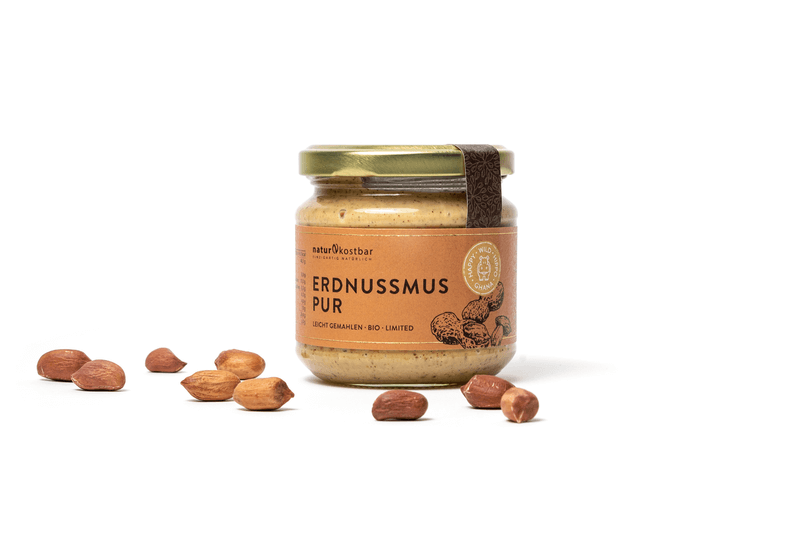
Pure peanut butter from Naturkostbar Peanut enjoyment in harmony with people and nature: savour high quality and preserve the beauty of our earth. This exclusive puree is made from peanuts - nothing else. Just like 100 years ago, we gently roast the peanuts and process them into a fine, grainy puree according to a traditional recipe. Including the nutrient-rich skin, which many nuts still have in whole or in part. For great flavours. The peanuts grow in Ghana in a nature reserve that is home to wild hippos. The small farmers' co-operative protects the endangered hippo population in West Africa with this area, which they founded. It favours organic farming and ensures mixed crop rotations for healthy soils as well as tracing the harvests back to the farmer. The cooperative gives the small farmers access to the market and a certificate for natural and organic cultivation. Particularly sustainable: the community determines the raw material prices and thus ensures a long-term livelihood for the farmers. We are delighted to receive part of this valuable harvest directly from the small farmers' cooperative and to process it here in the Bernese Oberland. Join us in focussing on enjoyment in harmony with people and nature: we act as equals and take a close look. Instead of maximising profits with cheap mass production and exploitation of the soil, farmers and animals, we focus on direct trade and are happy to accept limited harvests. Peanuts from Ghana are rare and our batches are therefore limited by nature. Use Enjoy the peanut butter as a spread, topping or as an ingredient in baking. Do you love peanut butter? Here's the Naturkostbar version - organic, palm oil-free and sugar-free, of course. By the way: If you like snacking on peanuts, we offer you a sustainable alternative with this butter: spooning instead of snacking. Our tip: Combine the peanut butter with banana and enjoy a unique flavour experience. Tip: Spread coconut butter on bread instead of butter. Weight variations The peanut butter is currently only available in 180g jars. We can also provide 550g on request. Nutritional values of peanut butter per 100g Contrary to their reputation, peanuts in their original form are very healthy. They contain a lot of vegetable protein, fat in the form of mostly unsaturated fatty acids and fibre. They also have a high iron, calcium, magnesium and phosphorus content and are a source of zinc. Studies show that despite their high fat content, peanuts can lower cholesterol levels and have a positive effect on blood lipid levels. Peanuts can also improve vascular function and even help you lose weight - provided they replace an unhealthy snack or spread. Nutritional values Øper 100g/100ml%11 Reference amount for an average adult (8400kJ/2000kcal) Energy 2573kJ (615kcal) 31% fat 48.1g 69% of which saturated fatty acids 8.8g 44% of which monounsaturated fatty acids 31g 207% of which polyunsaturated fatty acids 8.3g - Carbohydrates 8.3g 3% thereof sugar 4g 4% Dietary fibre 7g 14% Protein 28.6g 57% salt - - B-carotene (provitamin A) - - Vitamin A - - Vitamin B1 - - vitamin B2 - - Vitamin B3 - - Vitamin B6 - - Vitamin B12 - - Vitamin C - - Vitamin D - - Vitamin E - - Vitamin K - - biotin - - calcium 385mg 48% chloride - - chromium - - iron 5.1mg 36% fluoride - - Folic acid/folacin - - iodine - - potassium - - copper - - magnesium 777.3mg 207% Manganese - - molybdenum - - pantothenic acid - - phosphorus 933mg 133% selenium - - Zinc 2.8mg 28% Allergens: Peanuts Origin of raw materials: Ghana Certification: CH-BIO-086
Content: 180 Gramm (CHF 4.17 / 100 Gramm)
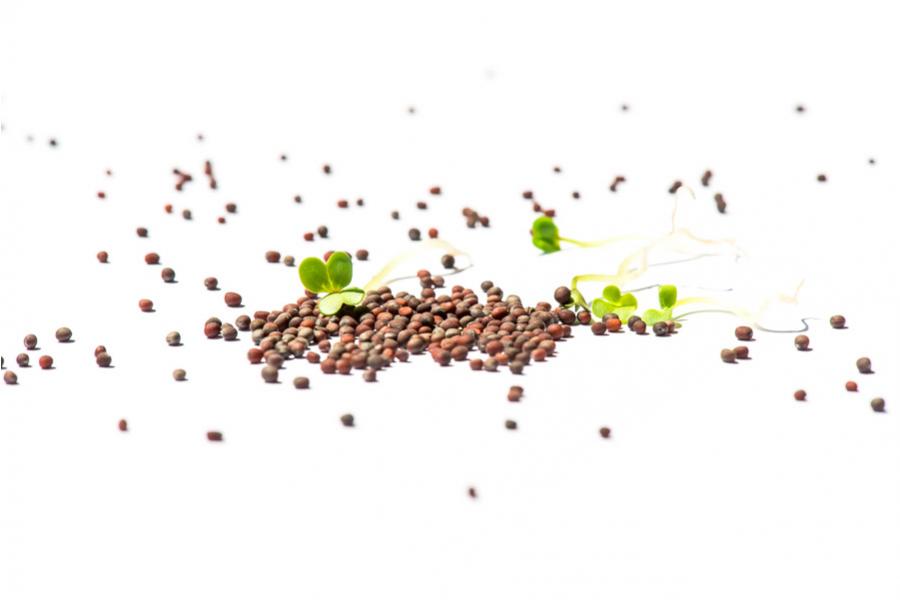
Kale sprouts sprouting seed Spring cabbage, also known as kale, is an old type of leafy cabbage that has been rediscovered in recent years due to its benefits. It is also known as kale. Why kale is healthy Kale is often used in green smoothies. It is characterised by the following ingredients: Vitamin C calcium Vitamin E & A Trace elements dietary fibre secondary plant substances Use You can simply eat the kale sprouts on their own or mix them into salads. They are also suitable as a topping for your fitness sandwich and for garnishing main dishes. Sprouting kale 3.1 litre sprout jar: soak 4 heaped tablespoons for 10 hours. 1.7 litre sprouting jar: soak 3 heaped tablespoons for 10 hours. Then germinate in the sprout jar for 4-5 days. Rinse every morning and evening. The sprouts can then be stored in the fridge for about a week. Further information on kale sprout seeds Bag contents: 75g. Country of origin of sprouts: Italy Storage: Store in a cool, dark and dry place Organic certification: CH-BIO-006
Content: 75 Gramm (CHF 10.77 / 100 Gramm)
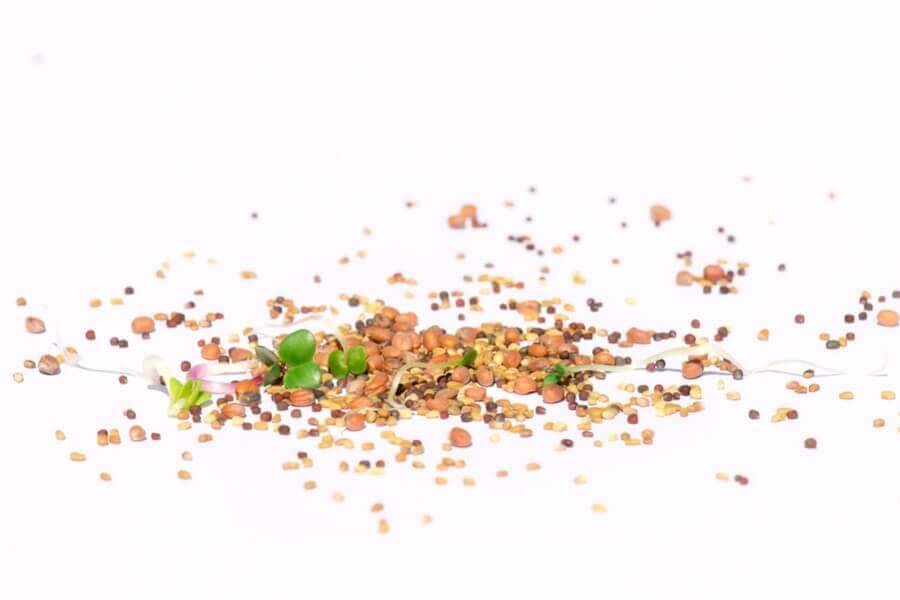
Fitness mix sprouted seeds - superfood from the jar The fitness mix with five different organic sprouted seeds offers you a great variety. Included are: Alfalfa sprouts Radish green sprouts Red clover sprouts Rocket sprouts Radish sprouts The Fitness Mix sprouts come from Italy. How to use Fitness Mix sprouts? You can simply eat the Fitness Mix sprouts on their own or mix them into salads. They are also suitable as a topping for your fitness sandwich (e.g. with hummus or cream cheese) and for garnishing main courses. How to grow sprouts? Soak 2 heaped tablespoons in the sprout jar for 10 hours. Then rinse in the morning and evening. The germination period for Fitness Mix sprouts is 5 to 7 days. The sprouts can then be stored in the fridge for another 7 days. Growing your own sprouts is very easy with the right equipment and is great fun! Sprouts are also very healthy because they contain lots of vitamins and minerals.
Content: 250 Gramm (CHF 4.37 / 100 Gramm)

Top-quality linseed oil made from Swiss organic linseeds | Fresh, cold-pressed and unfiltered The last pressing before the summer break took place on Monday 1 June 2026.We are now on our summer break. The new season begins on Monday 7 September 2026. Pre-orders will be available from the end of August. Now also available as a monthly subscription For regular customers who don’t want to have to keep remembering the pressing dates, we offer a monthly subscription. We’ll then automatically process your order in the week leading up to the pressing. If you’d like to pause, adjust or add other products to your order, simply let us know your requirements a week before the pressing. What makes our linseed oil special? Delicious: Freshly pressed linseed oil doesn’t taste bitter at all (in the first few weeks), but has a mild, nutty flavour. Organic: The brown organic linseeds from producer Jakob Bachofner come from his own fields in Fehraltorf in the Zurich Oberland. Cold-pressed: Thanks to the mill’s water-cooling system, the oil temperature remains between 28–32°C throughout the pressing process – ensuring raw food quality! Regional: Fehraltorf is just 10 km from our warehouse in Wetzikon. Delivery to your home is CO₂-neutral via Swiss Post.Monthly pressing from September to June: Jakob Bachofner from the Oelerei presses the linseed oil from organic linseeds grown in his own fields in Fehraltorf – fresh and using a water-cooled press to produce raw food quality oil at 28–32°C – taste the difference. It is not filtered, but left to stand in a cool place for one day so that the sediment can settle. The linseed oil is then bottled, taken to the warehouse and dispatched the very same day. A very small amount of sediment (which is slightly darker) may settle at the bottom of the bottles. This can be consumed without any concerns. Why is linseed oil so healthy? With approximately 50% alpha-linolenic acid (omega-3), linseed oil is one of the richest sources of this important fatty acid. Just 1 tablespoon of linseed oil meets an adult’s daily requirement of 2g of alpha-linolenic acid. Omega-3 fatty acids are of great importance to our metabolism. They are key building blocks of our cell membranes, have anti-inflammatory effects, protect cells against premature ageing and strengthen the immune system. You can find more interesting information about omega-3 fatty acids in ourhealth guide. Food & skincare: How to use linseed oil? Fresh linseed oil is a real delicacy! Linseed oil is perfect for cold and lukewarm dishes such as salads, potatoes and muesli. It can also simply be enjoyed on its own (1 tablespoon daily). Linseed oil is also suitable for external use on very dry skin. Recipes with linseed oil for inspiration We’ve been keen consumers of linseed oil ourselves for many years, which is why we’re happy to share our favourite recipes here for your inspiration: Raw almond milk with a fresh apple and linseed oil Budwig cream muesli (made with low-fat quark and linseed oil) Golden milk with linseed oil Chia pudding with linseed oil Apple and cinnamon porridge with linseed oil Wholemeal bread with cottage cheese, linseed oil and sprouts Vegan mayonnaise with almond butter and linseed oil Gschwellti (jacket potatoes) with linseed oil Potato salad with linseed oil Tomato and onion salad with basil and linseed oil Experiment:Drizzle the linseed oil, along with a little salt, over half an avocado. What’s your favourite linseed oil recipe? Let us know and we’ll be happy to add it to the list. Freshly pressed linseed oil available by pre-order only Due to its sensitivity to heat and short shelf life, we do not keep linseed oil in stock; instead, we only accept pre-orders from September to June, which are then fulfilled once a month. During the warmer months, orders are dispatched with cooling packs. Ordering process for freshly pressed linseed oil made from Swiss linseeds To place a pre-order, simply buy the linseed oil online as usual, send us an email at info@samaranatura.ch or give us a quick call on 044 586 27 27. On Monday morning, we place our order with Jakob Bachofner at the Oelerei. He presses the linseed oil on Monday. The freshly pressed organic linseed oil then needs to rest for a day in cold storage to allow sedimentation (settling of the suspended particles). On Wednesday morning, the oil is bottled and I take the bottles straight to my social logistics partner in Wetzikon. On Wednesday, he dispatches all orders (linseed oil along with any other items ordered) via Post Pack Priority (at no extra cost of CHF 2), so you should receive your order on Thursday of the same week. Order deadlines for autumn 2026June/July/August is the summer breakSunday 6 September 2026Sunday 18 October 2026Sunday 15 November 2026Sunday 13 December 2026 Shelf life The minimum shelf life after pressing is 3 months. Please always store the linseed oil in the fridge, even before opening the bottle for the first time. This slows down the oxidation process, which occurs very rapidly in linseed oil. Our linseed oil is specially bottled in dark purple Mironglas to protect it from sunlight and the associated premature oxidation. To further extend the shelf life, there are two options: some modern fridges have a 0-degree zone. Stored there, the linseed oil will keep for about a month longer, or you can freeze it, which extends the shelf life to 6 months. Once opened, the bottle should be consumed within 3–4 weeks. Important notes Linseed oil and camelina oil are not the same thing. Whilst linseed oil is pressed from linseeds, camelina oil is derived from camelina. Camelina oil has a longer shelf life but contains a lower proportion of alpha-linolenic acid/omega-3, at around 35 per cent. Cold-pressed oils (except coconut oil) are heat-sensitive and are therefore mainly suitable for use in cold dishes. When heated to high temperatures, e.g. when frying, toxic compounds may form. Change to bottles Due to the massive price increase for Mironglas (approx. 40%) and the new closure system featuring a plastic ball, Jakob Bachofner has been looking for alternatives. For the standard glass bottles used for cooking oil, the purchase of a capping machine would have been necessary, which would not have been cost-effective for the small production volumes at the oil mill in Fehraltorf. A BPA-free tinplate bottle in a matt black design from Germany has now emerged as the best alternative, see image top left. The advantages over glass are its lighter weight and lower energy consumption during production. Furthermore, the risk of breakage is significantly lower, meaning less packing material is required during dispatch. Tinplate has a high recycling rate, as it is collected alongside aluminium at all recycling centres. Any other packaging options would have resulted in price increases. We are delighted that, at a time when almost everything is becoming more expensive, we are able to offer linseed oil at the existing prices. Nutritional values for organic linseed oil per 100g Energy 3475 kJ / 830 kcalFat 93g- of which saturated fatty acids (palmitic acid and stearic acid) 8g- monounsaturated fatty acids (oleic acid) 19g- polyunsaturated fatty acids (linoleic acid and alpha-linolenic acid) 67gCarbohydrates 0gof which sugars 0gProtein 0gSalt 0g Compared with other oils, linseed oil has a very high proportion of polyunsaturated fatty acids. Depending on the seed, it contains 10–30% linoleic acid (omega-6 fatty acid) and 40–70% alpha-linolenic acid (omega-3 fatty acid), which the body can convert into DHA (docosahexaenoic acid) and EPA (eicosapentaenoic acid). Origin Switzerland, cold-pressed by Jakob Bachofner in Fehraltorf using linseeds from his own fields in Fehraltorf, ZH. Reuse of the Miron bottles In principle, the bottles made from high-quality Miron glass can be rinsed out and reused as desired. We recommend leaving the labels on, as they do not come off easily even after a cycle in the dishwasher or when cleaned with spirit. The labels are not water-soluble because the bottles are stored in the fridge. When the bottles are taken out, condensation forms, which would then cause the labels to peel off. Furthermore, a paper label would quickly look dirty if a drop of oil ran down it. According to feedback from the producer, the labels are best removed using orange oil. Local producer Since summer 2021, Jakob Bachofner from the Oelerei in Fehraltorf has been pressing our linseed oil once a month. As well as the excellent quality, we appreciate the short distance of just 10 kilometres between the oil production facility and our warehouse in Wetzikon. This enables us to send you the linseed oil on the day it is bottled (every Wednesday). It hardly gets any faster than that, unless you select the “Collect from warehouse” delivery option and come to collect the linseed oil in person from the warehouse on Wednesday afternoons from 3.30 pm. Jakob “Köbi” Bachofner produces all his oils using a water-cooled oil mill, certified organic in accordance with the Swiss Organic Farming Regulations (CH-BIO-086). Here are a few pictures of the cultivation and harvest of the linseeds from Fehraltorf. The linseed flowers are blooming Close-up of linseed pods The flax is ready for harvest Mowing with a disc mower Drying the flax in the sun for two days Threshing the flax with a combine harvester The water-cooled oil mill for pressing raw-food-grade linseed oil Jakob Bachofner in the field
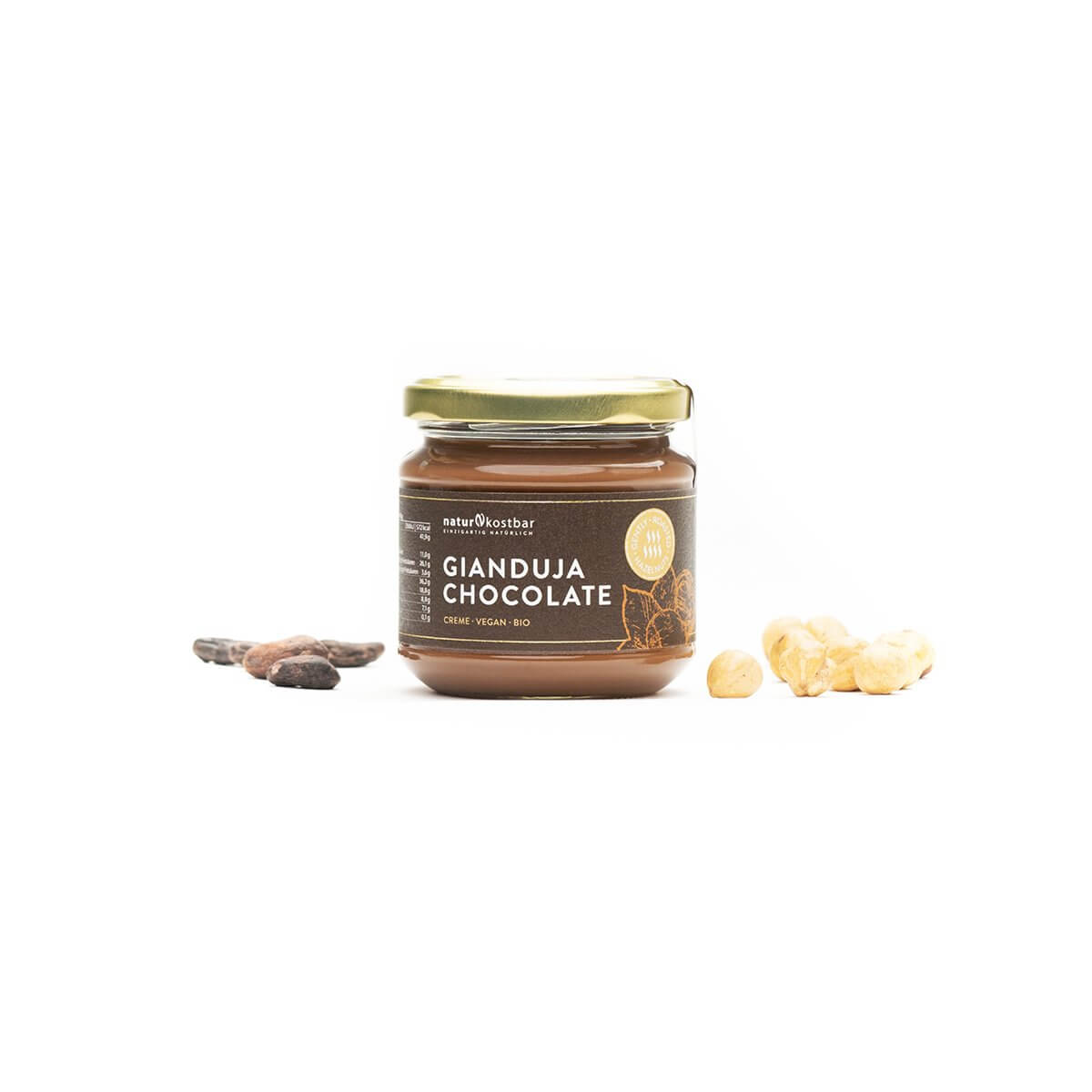
We only stock Naturkostbar Gianduja Chocolate in the small 200g jar as standard. The large 550g jar for CHF 42.50 can be pre-ordered at any time -> info@samaranatura.ch or 044 586 27 27. Gianduja du Chocolate from Naturkostbar - hazelnut chocolate spread Gianduja du Chocolate is a creamy, flavoured hazelnut chocolate spread. Unlike Hazelnut du Chocolat, roasted Piedmont hazelnuts are used for Gianduja du Chocolate. These melt together with delicate bean-to-bar chocolate and coconut blossom sugar to create a super tasty hazelnut chocolate spread. High-quality ingredients 46% hazelnuts (I.G.P. Piedmont) Rice milk powder Coconut blossom sugar cocoa butter Ground cocoa beans Cocoa powder Bourbon vanilla Contains 21% cocoa. All ingredients are certified organic. Use Enjoy Gianduja du Chocolate as a spread on bread, together with fresh or dried fruit and as a delicious topping for muesli, porridge, crêpes, waffles or ice cream. Tip: Gianduja du Chocolate fans simply enjoy it on its own as a petit dessert. Top quality Carefully roasted organic hazelnuts from Piedmont Gently ground organic acacia beans from Peru, processed bean-to-bar, with a cocoa content of 21% Low sugar content of 18.8 g per 100 g Free from palm oil, emulsifiers and additives Vegan & organic Produced with love in the Naturkostbar manufactory in Uetendorf near Thun Weight variants The Gianduja du Chocolate is available in both 200g and large 550g jars. Simply select the appropriate weight variant at the top right. Nutritional values of Gianduja du Chocolate per 100g Energy 2363kJ / 570kcal (28%)Fat 41.6g (59%)of which monounsaturated fatty acids 26g (173%)of which polyunsaturated fatty acids 3.6gof which saturated fatty acids 10.81g (54%)Carbohydrates 36.3g (14%)of which sugar 18.9g (21%)Protein 8.8g (18%)Salt 0.09g (2%) Dietary fibre 7.2g (14%)Vitamin A 0.6µg (0%)Vitamin C 3.9mg (5%)Vitamin D - -Vitamin E 12.6mg (105%)Vitamin K - -B-carotene (provitamin A) 0mg (0%)Vitamin B1 0.2mg (18%)Vitamin B2 0.1mg (7%)Vitamin B3 0.8mg (5%)Vitamin B6 0.2mg (14%)Vitamin B12 - -Magnesium 113.3mg (30%)Copper 0.4mg (40%)Manganese 0.3mg (15%)Selenium - -Iodine 3.2µg (2%)Folic acid/folacin 22.2µg (11%)Chloride 83.4mg (10%)Potassium 664.2mg (33%)Biotin - -Pantothenic acid 0.6mg (10%)Calcium 87.7mg (11%)Phosphorus 215.9mg (31%)Iron 3.6mg (26%)Zinc 2.2mg (22%)Molybdenum - -Fluoride - -Chromium - - Percentages based on the reference amount for an average adult (8400kJ / 2000kcal). Origin of raw materials: EU-/Non-EU Certification: CH-BIO-086
Content: 200 Gramm (CHF 7.84 / 100 Gramm)
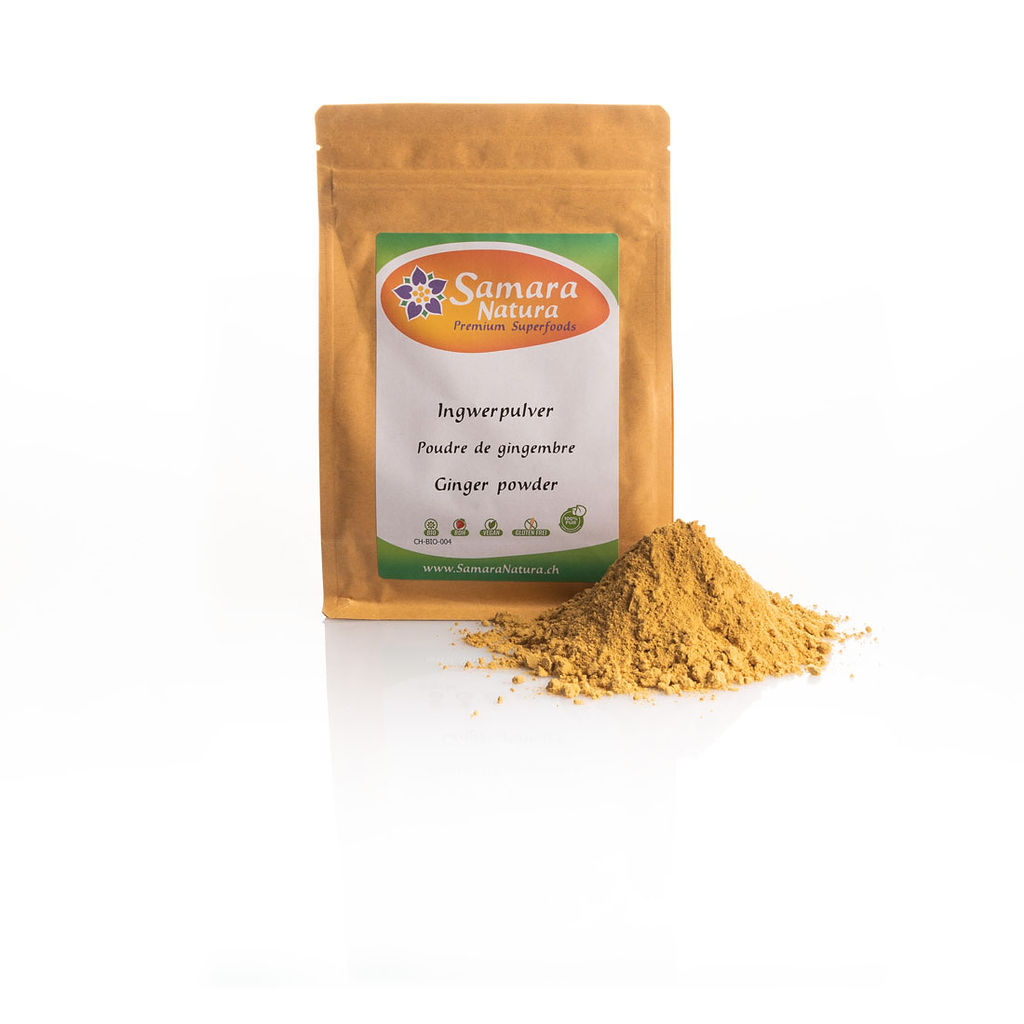
Premium organic Fairtrade ginger powder from Sri Lanka (100% natural) Ginger: It has been known in Central Europe since the 9th century. Today it is cultivated in tropical and subtropical countries worldwide. Why consume ginger powder? Ginger is not only used as a flavouring, but also has a long history of traditional use as a remedy. Ginger promotes digestion and stimulates the appetite and circulation. It is also considered helpful for inflammation, rheumatism and colds. Ginger contains a very high antioxidant capacity of 39,041 µmol TE/100g (ORAC value = Oxygen Radical Absorption Capacit). Since we as a retailer are only allowed to make a few specific statements about the health effects of foods, we recommend that you research information about this product yourself on the Internet. What makes our ginger powder special? The aroma and flavour of this 100% pure ginger powder from Sri Lanka are particularly fresh and spicy, which is achieved through rapid cleaning, drying and grinding. Where does our Fairtrade ginger powder come from? The ginger comes from organic cultivation and fair trade from two local Fairtrade organisations with 2500 participating farmers. Organic cultivation and fair trade relations have a very decisive influence on the quality of the product. Many work steps are carried out traditionally and exclusively by hand. Thanks to the co-operation with Fairtrade, the farmers can earn a secure and independent living. The Fairtrade premium can be used to pay for projects such as clean drinking water, school materials for the children and educational projects. Use of ginger powder in everyday life We use it daily in practically all our cooking recipes (curries, soups etc.) as well as in drinks, spiced teas and smoothies. For sore throats and colds or nausea and digestive problems, we have discovered a simple and helpful home remedy that is also super delicious: ½ teaspoon of ginger powder, 1 teaspoon of honey, 1 litre of hot water and a squeeze of lemon juice. Nutritional values of ginger per 100g Energy value 1272kJ/304kcalProtein 3.3gCarbohydrates 60gof which sugar 59.4gFat 3.3gof which saturated fatty acids 0.95gDietary fibre 5.5gAll information is subject to the usual fluctuations of natural products. Storage: Store in a cool, dry and dark place.
Content: 250 Gramm (CHF 6.46 / 100 Gramm)
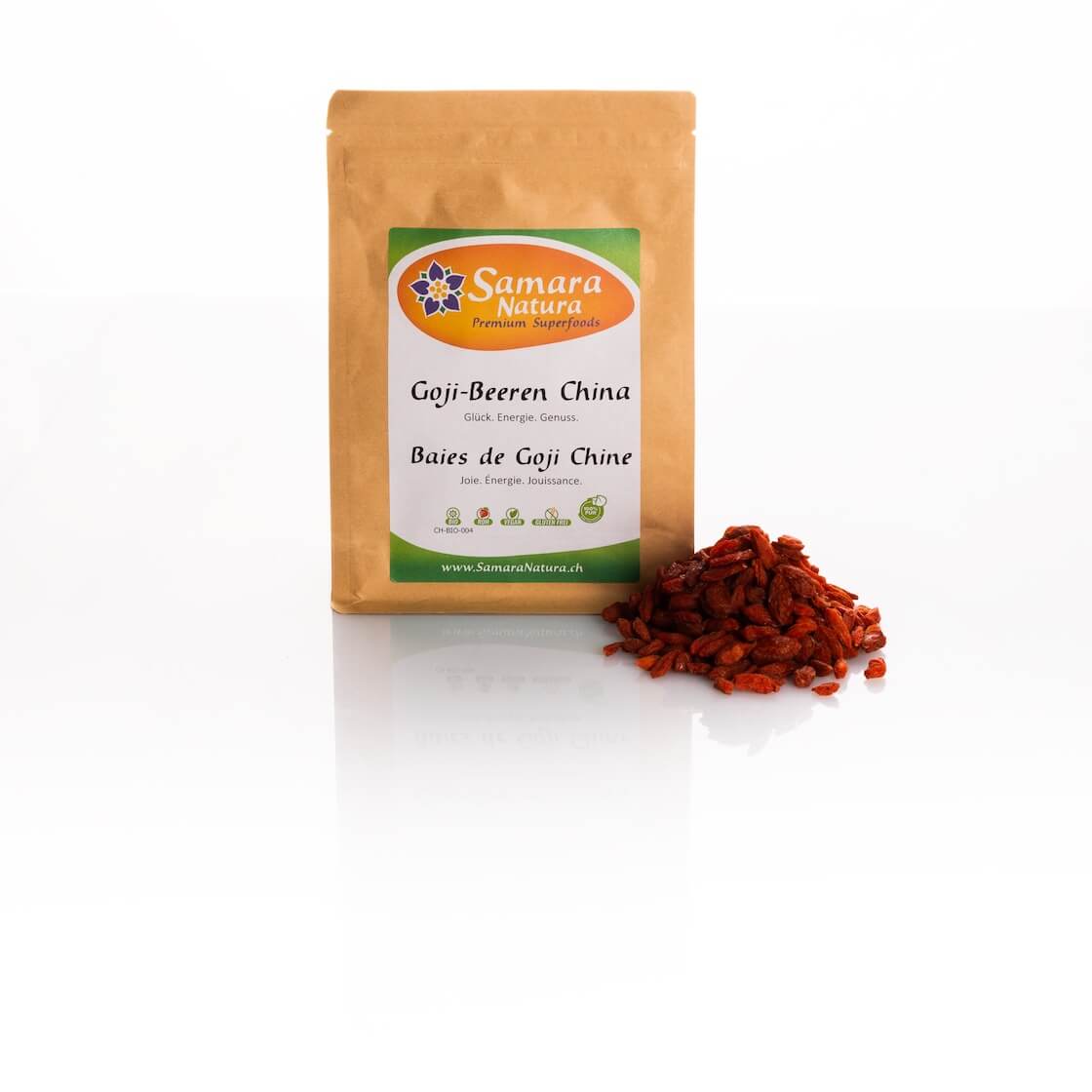
Goji berries - the super berries (100% natural) For thousands of years, goji berries have enriched the diet of the inhabitants of the Himalayan regions and energised them. Goji berries support a happy and active life, which is why goji berries are also called lucky berries in China. Why eat goji berries?The delicious bright red goji berries (Lycium) are one of the most nutritious fruits on the planet. The goji berry is not only a true superfruit, but it also tastes delicious and can be consumed very easily and in many ways. They are a source of complete protein with 18 amino acids, contain up to 21 trace elements, B vitamins, polysaccharides and much more. Gojis have more vitamin C than oranges, more beta-carotene than carrots and more iron than a steak! What makes our goji berries special? Our goji berries are grown in the fertile valleys of Ningxia Province in China without the use of pesticides and agrochemicals. There, on their native soil, the berries ripen on the bush, are harvested in the summer months and dried at low temperatures to preserve as many nutrients as possible. The berries are dried to a water content of 10-14% for a soft texture and can be rehydrated by simply soaking if required. Our pure goji berries are raw food quality, vegan and organically grown. How to use goji berries? Goji berries have a mildly spicy flavour that is slightly sweet and sour. They are similar in shape and texture to sultanas and like sultanas, goji berries can be eaten on their own or used as an ingredient in muesli, mixtures of nuts and other dried fruits, whole fruits and desserts. You can also add the berries to tea, juice, smoothie or soup, or make your own goji juice by soaking the berries in water. You can be creative with this delicious superfood and let your imagination run wild. Recommended amount: about 10-30 grams per day. The locals who grow the berries eat a handful every day. Dried goji berries can be kept for well over a year if stored correctly. Note: A common misconception about superfoods and herbs is that there is a standard dosage. We believe that the right amount for an individual depends on their size, sensitivity, age, gender and other factors that make them unique. Nutritional values of organic goji berries per 100g Energy value 1378kJ/326kcal, fat 2.3g- of which saturated fatty acids 0.4gCarbohydrates 60.3g- of which sugar 50gDietary fibre 12.6gProtein 9.8gSalt 1g.
Content: 250 Gramm (CHF 6.84 / 100 Gramm)
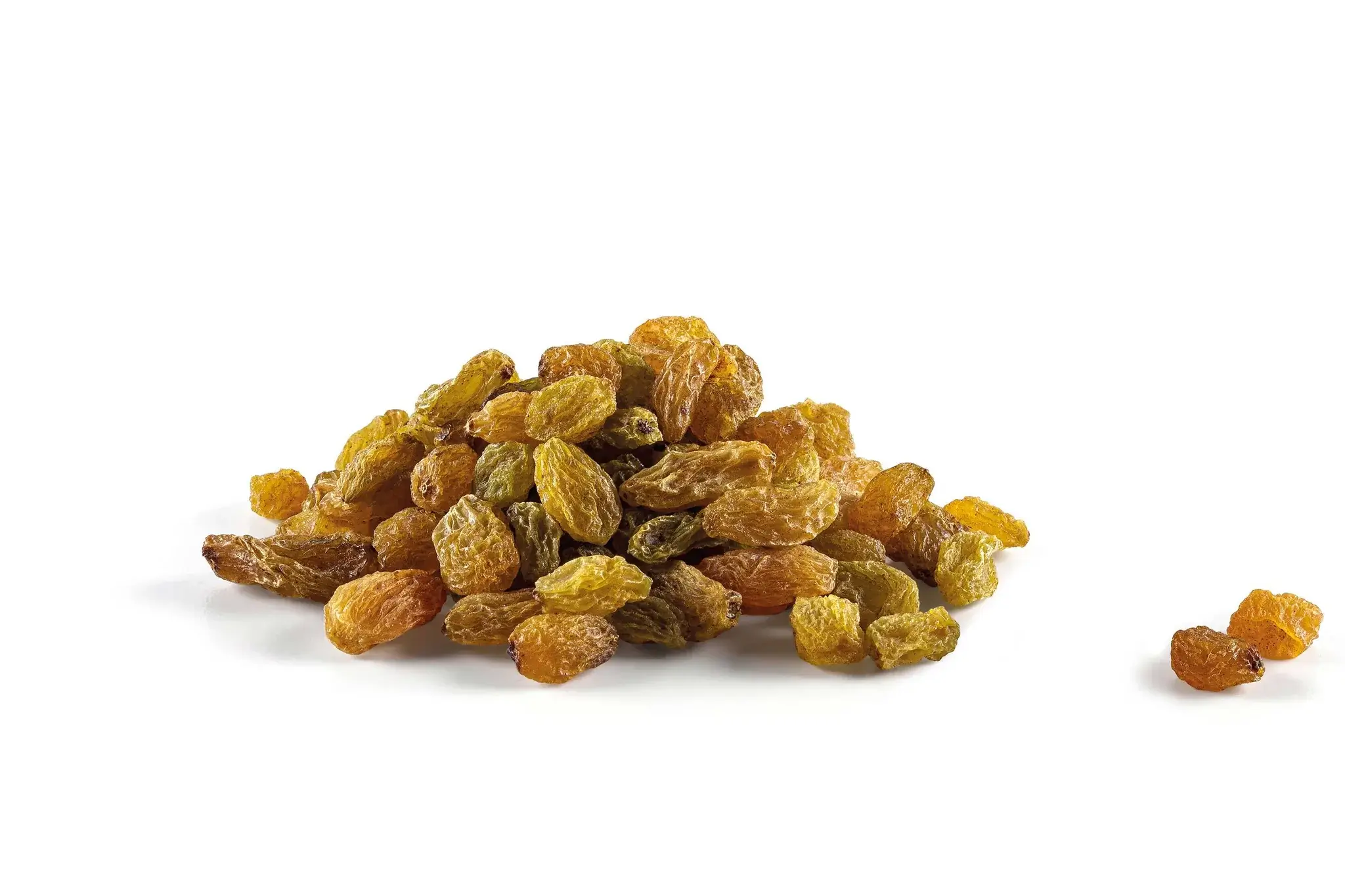
Organic green Khorog sultanas High-quality, raw, unoiled, unsulphurised organic sultanas from Uzbekistan. They are named after the ancient city of Khorog, which lies in the mountains on the old Silk Road. Green Khorog sultanas are no ordinary sultanas. The differences between the various types of sultanas are greater than you might think. They differ greatly in appearance and flavour. In addition to these Khorog sultanas, we also have black Bukhara sultanas and Manucca sultanas in our range. Khorog raisins have a sweet flavour, but are not too sweet. When the bag is open for a longer period of time, they change colour from green to brown. Our Green Khorog are picked at the best stage of ripeness and gently dried in the shade to preserve their natural quality. Use Due to their unique flavour, we recommend enjoying Green Khorog sultanas on their own. However, they can also be added to muesli, trail mix or snack bars and can be used for baking. Khorog sultanas are also particularly suitable for stirring into a curry. Sultanas are a good source of antioxidants, fibre, iron and calcium. And by the way, they are quite high in calories, so watch your portion size! Warnings May contain traces of nuts. Nutritional values of green Khorog sultanas per 100g Energy value 1262 kJ / 298 kcal Fat 0.6g - of which saturated fatty acids 0.2g Carbohydrates 66g - of which sugar 60gDietary fibre 5.2g Protein 2.5g Salt 0.05g
Content: 250 Gramm (CHF 5.13 / 100 Gramm)
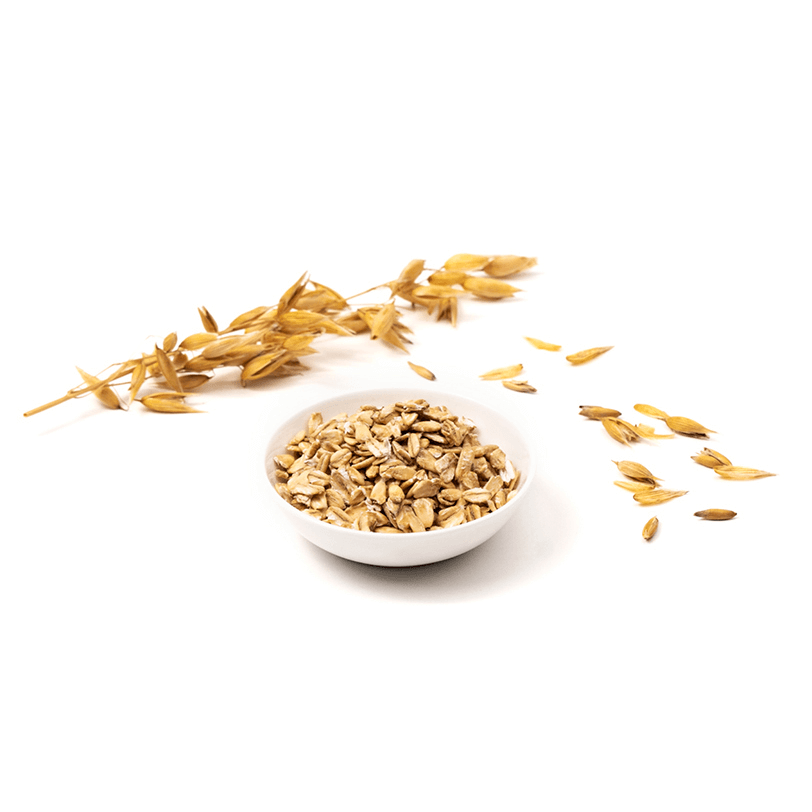
Sprouted oat flakes These sprouted organic oat flakes from Naturkostbar are easier to digest due to the sprouting process and have more enzymes and a significantly higher nutrient density. Sprouting virtually unlocks the dormant life forces in the grain - a real treat for body and soul. Compared to other cereals, oats are significantly richer in nutrients and have become very popular as a healthy breakfast ingredient. Are oat flakes gluten-free? The sprouted oat grains contain less than 20 ppm gluten and are therefore also suitable as a gluten-free food. Origin The oat flakes come from a family business in Transylvania, Romania. The small farm specialises in sprouted raw food and refines the harvest of numerous organic farmers from Europe. The mindful, natural philosophy is reflected in the excellent quality of the oat flakes. The sprouted oat flakes are only dried after they have been flaked so that they are less likely to disintegrate into flakes. Contents: Bag with 500g. Use These sprouted oat flakes have a typical, slightly bitter flavour. They are suitable as a wholesome ingredient for almost all muesli creations. Nutritional information sprouted oat flakes Nutritional values Øper 100g/100ml%11 Reference quantity for an average adult (8400kJ/2000kcal) energy 1639kJ (388kcal) 20% fat 7.5g 11% of which saturated fatty acids 1.3g 7% of which monounsaturated fatty acids - - of which polyunsaturated fatty acids - - Carbohydrates 69g 27% thereof sugar 1.2g 1% Dietary fibre 3.1g 6% Protein 9.6g 19% salt 0.03g 1% B-carotene (provitamin A) - - Vitamin A - - Vitamin B1 0.68mg 62% Vitamin B2 0.2mg 14% Vitamin B3 - - Vitamin B6 1mg 71% Vitamin B12 - - Vitamin C - - Vitamin D - - Vitamin E - - Vitamin K - - biotin - - calcium 374mg 47% chloride - - chromium - - iron 5.4mg 39% fluoride - - Folic acid/folacin - - iodine - - potassium - - copper - - magnesium 135mg 36% manganese - - molybdenum - - pantothenic acid - - phosphorus - - selenium - - Zinc 3.2mg 32%
Content: 500 Gramm (CHF 2.26 / 100 Gramm)
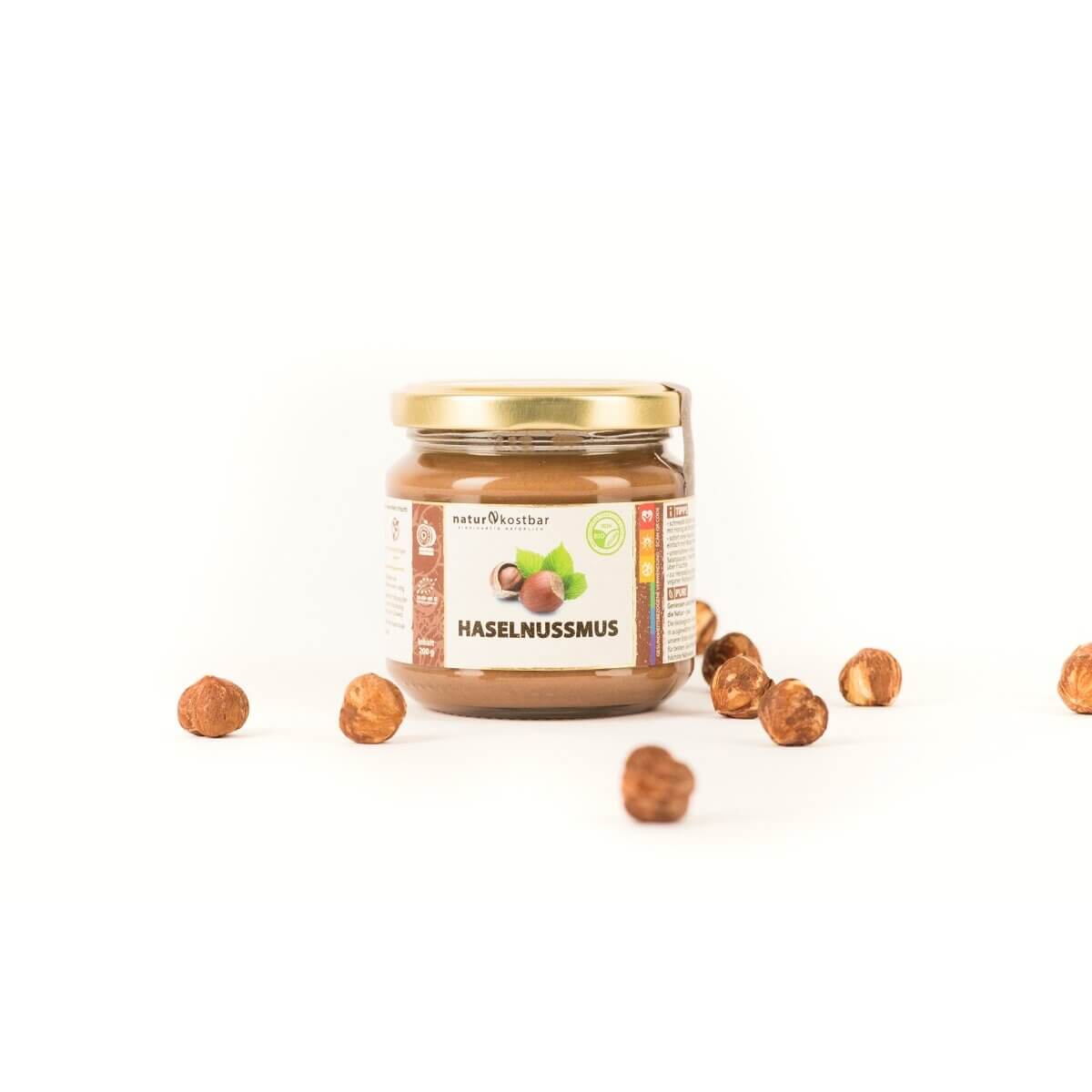
Organic hazelnut butter from Naturkostbar - creamy and tender We stock hazelnut purée (also known as hazelnut butter or hazelnut puree) from the Swiss quality producer Naturkostbar, which produces it carefully in raw food quality. In the creamy, tender puree made from unroasted hazelnuts from Piedmont. Production: The best hazelnuts come from Piedmont (north-west Italy), where small farms cultivate hazelnuts traditionally and organically. The hazelnuts are ground to a smooth and creamy paste using a gentle stone grinding process at 40° Celsius for 2 to 3 days. This ensures that nutrients and the delicious flavour are optimally preserved. Use: The slightly tart hazelnut puree is suitable for refining salad dressings, muesli, pralines, muesli bars, cookies, desserts (including tiramisu and cakes) and as a spread. Tip: With 1-2 tablespoons of hazelnut nut, 3 litres of water, a few dates and a pinch of cinnamon, you can mix a delicious and nutritious hazelnut drink in no time at all. Alternatively, you can sweeten it with agave syrup, yacon syrup or apple syrup. You can also experience pure enjoyment by simply savouring a spoonful slowly. Quality: Raw food, from certified organic farming Ingredients: 100% organic hazelnuts Origin of raw materials: Piedmont (Italy) Organic certification: CH-BIO-086 Nutritional information organic hazelnut butter Nutritional values Øper 100g/100ml%11 Reference quantity for an average adult (8400kJ/2000kcal) Energy 2650kJ (643kcal) 32% fat 59.5g 85% of which saturated fatty acids 4.2g 21% of which monounsaturated fatty acids 46.6g 311% of which polyunsaturated fatty acids 6.5g - Carbohydrates 6.9g 3% thereof sugar 4.3g 5% Dietary fibre 9.7g 19% Protein 15.2g 30% salt 0.01g 0% B-carotene (provitamin A) - - Vitamin A - - Vitamin B1 0.27mg 25% Vitamin B2 0.1mg 7% Vitamin B3 1.3mg 8% Vitamin B6 0.5mg 36% Vitamin B12 - - Vitamin C - - Vitamin D - - Vitamin E 27mg 225% Vitamin K - - biotin - - calcium 160mg 20% chloride 11mg 1% chromium - - iron 3.6mg 26% fluoride - - Folic acid/folacin 41µg 21% iodine 6.5µg 4% Potassium 720mg 36% Copper - - magnesium 160mg 43% manganese - - molybdenum - - Pantothenic acid 1.2mg 20% phosphorus 320mg 46% selenium - - Zinc 2.9mg 29%
Content: 180 Gramm (CHF 7.66 / 100 Gramm)
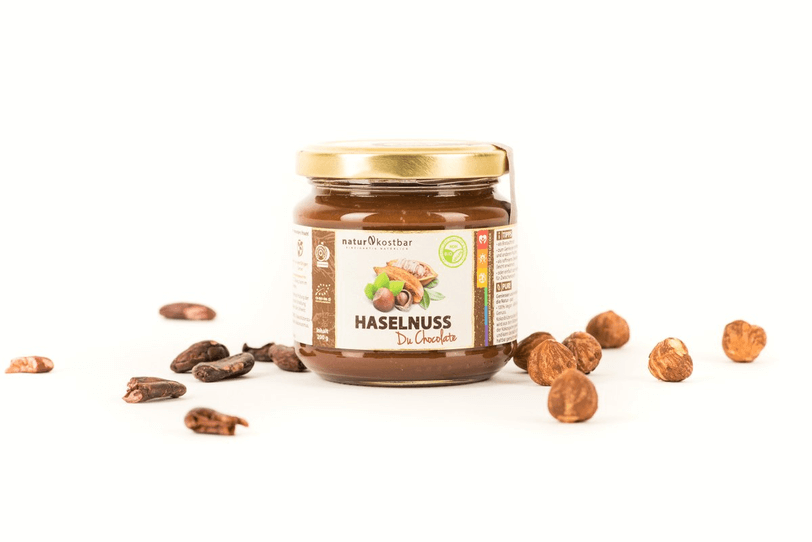
We only stock Naturkostbar Hazelnut du Chocolat in the small 200g jar as standard. The large 550g jar for CHF 43 can be pre-ordered at any time -> info@samaranatura.ch or 044 586 27 27. Hazelnut du Chocolat from Naturkostbar - hazelnut chocolate spread Hazelnut du Chocolat is a raw food "Nutella" from Naturkostbar with hazelnuts from Piedmont and other exquisite ingredients. Ingredients Hazelnut butter 60%*, coconut blossom sugar*, cocoa paste*, cocoa butter*, coconut butter*, cocoa powder*, bourbon vanilla* *All ingredients come from organic farming Hazelnuts from Piedmont: Highest quality with an intense hazelnut flavour. Criollo cocoa beans from Peru: The fermented, unroasted cocoa beans are slowly ground in a traditional stone mill. Coconuts from Sri Lanka Vanilla and coconut blossom sugar are added to round off the flavour. Use Enjoy Hazelnut du Chocolat as a spread, together with fresh or dried fruit and as a delicious ingredient for desserts or ice cream. Tip: Hazelnut du Chocolat fans simply enjoy it on its own as a petit dessert. Quality All ingredients come from controlled organic cultivation. The raw food content is not quite 100% because the coconut blossom sugar used for sweetening is not raw food (not possible due to the production process). Weight variants Hazelnut du Chocolat is available in both 200g and large 550g jars. Simply select the appropriate weight variant at the top right. Nutritional values Hazelnut du Chocolat per 100g Energy 2360 KJ / 570 KcalFat 43.7g- of which saturated fatty acids 7.9g- of which monounsaturated fatty acids 30g- of which polyunsaturated fatty acids 4.1gCarbohydrates 28g- of which sugar 24.1gProtein 11.4gDietary fibre 9.1gSalt 0.1g Vitamin E 15.4mg (128%)Vitamin B1 (thiamine) 0.3mg (24%)Vitamin B6 0.3mg (21%)Phosphorus 210.1mg (30%)Iron 2.9mg (21%)Magnesium 147.4mg (39%)Zinc 2.2mg (22%)Potassium 721.4mg (36%)Chloride 124.7mg (16%) Percentages based on the reference amount for an average adult (8400kJ / 2000kcal). Origin of raw materials: EU-/Non-EU Certification: CH-BIO-086
Content: 200 Gramm (CHF 8.46 / 100 Gramm)
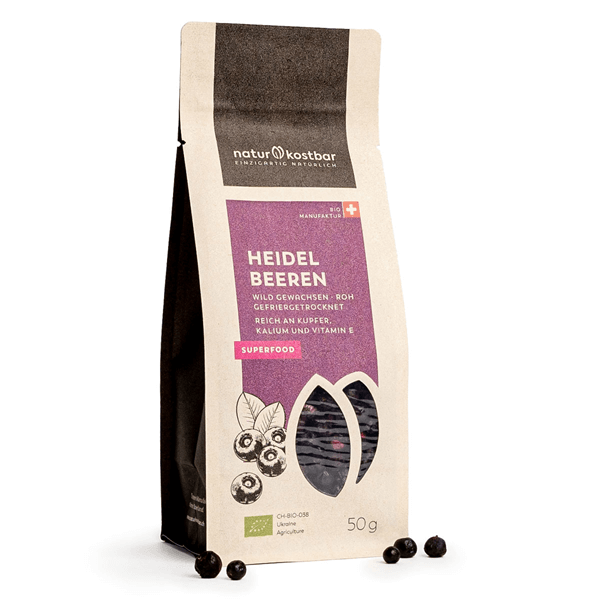
Freeze-dried wild blueberries Naturkostbar, 50g A small berry with a big effect. Discover the intense flavour of wild blueberries. Why and how to use them? Wild blueberries are true superheroes for your health. They provide important antioxidants and nutrients and thus contribute to a balanced diet. Numerous scientific studies confirm their positive effect on the body. Enjoy the freeze-dried blueberries on their own as a snack or combine them with other fruits and nuts. They are perfect in your morning muesli, in refreshing smoothies or in delicious berry desserts. Whether in the office, at school or on the go - these little energy boosters are always a good choice. What makes these wild blueberries special? Compared to their cultivated relatives, they are full of valuable secondary plant substances. These little powerhouses are harvested by hand in certified organic wild berry regions and then gently freeze-dried. This ensures that their unique flavours and valuable nutrients are optimally preserved. Tip: Leave the blueberries to infuse in (plant) milk and give your muesli or drink a beautiful blue colour. A special treat, even for children. Caution: The pack contains a dry bag. This is common for freeze-dried products. It prevents the freeze-dried blueberries from absorbing moisture quickly and clumping together. Nevertheless, we recommend always sealing the bag and savouring the product quickly after opening. Ingredients 100% wild blueberries, certified organic. Product information Contents 50g, origin: Kosovo, organic certificate no. CH-BIO-038. Nutritional information Nutritional values Øper 100g/100ml%1 Energy: 1419kJ/339kcal 16,95% Fat: 5.40g 7,71% Carbohydrates: 66.60g 25,62% thereof sugar: 48.80g 54,22% Dietary fibre: 16.30g 32,60% Protein: 5.90g 11,80% Vitamin A: 4.90µg 0,61% Vitamin E: 3.60mg 30,00% Folic acid/folacin: 50.50µg 25,25% Calcium: 138.20mg 17,28% Phosphorus: 111.20mg 15,89% Magnesium: 32.10mg 8,56% Copper: 0.80mg 80,00% Potassium: 615.90mg 30,80% 1 Reference amount for an average adult (8400kJ/2000kcal)
Content: 50 Gramm (CHF 30.22 / 100 Gramm)

Cold-pressed Swiss organic hemp oil 100ml Update: Naturkostbar no longer produces hemp oil, which is why we have switched to hemp oil made from Swiss hemp seeds from Oelerei in Fehraltorf. At the Naturkostbar Fanufaktur in Uetendorf near Thun, this hemp oil is pressed from organic hemp seeds from the Bernese Seeland using a water-cooled oil mill (to prevent heat build-up) at temperatures below 37°C. It is rich in omega 3 (alpha-linolenic acid) and omega 6 (linoleic acid) fatty acids, which are also in an optimal ratio of 1:3. Hemp is a very undemanding, mostly annual plant. Due to its resilience, it can also be grown very well in Switzerland without pesticides. Except for the rainy summer of 2021, hemp produces very good harvests. Certified organic Swiss producer and seeds Naturkostbar presses only organic seeds into high-quality edible oils using a water-cooled oil mill. Organic certification: BTA CH-BIO-038 In addition to this Swiss hemp oil, we have various other chilled organic edible oils from Naturkostbar in our range. Use of hemp oil With its wonderful flavour, hemp oil is ideal for flavouring vegetable dishes and salads. A homemade salad dressing with hemp oil tastes great and is good for you! Hemp oil is also suitable for use on the skin and hair, as it can have a regenerating and cell-renewing effect. Note 1: Cold-pressed oils (except coconut oil) are sensitive to heat and are therefore mainly suitable for use in cold dishes. Toxic compounds can form when heated to high temperatures, e.g. frying. Note 2: Store in the refrigerator after opening. Nutritional values of Swiss organic hemp oil per 100g Nutritional values Øper 100g/100ml%11 Reference quantity for an average adult (8400kJ/2000kcal) Energy 3400kJ (830kcal) 41.5% fat 92g 131.43% of which saturated fatty acids 9g 45% of which monounsaturated fatty acids 18g 120% of which polyunsaturated fatty acids 65g 433% Carbohydrates - - thereof sugar - - dietary fibre - - protein - - salt - - Vitamin E 5.9mg49.17%
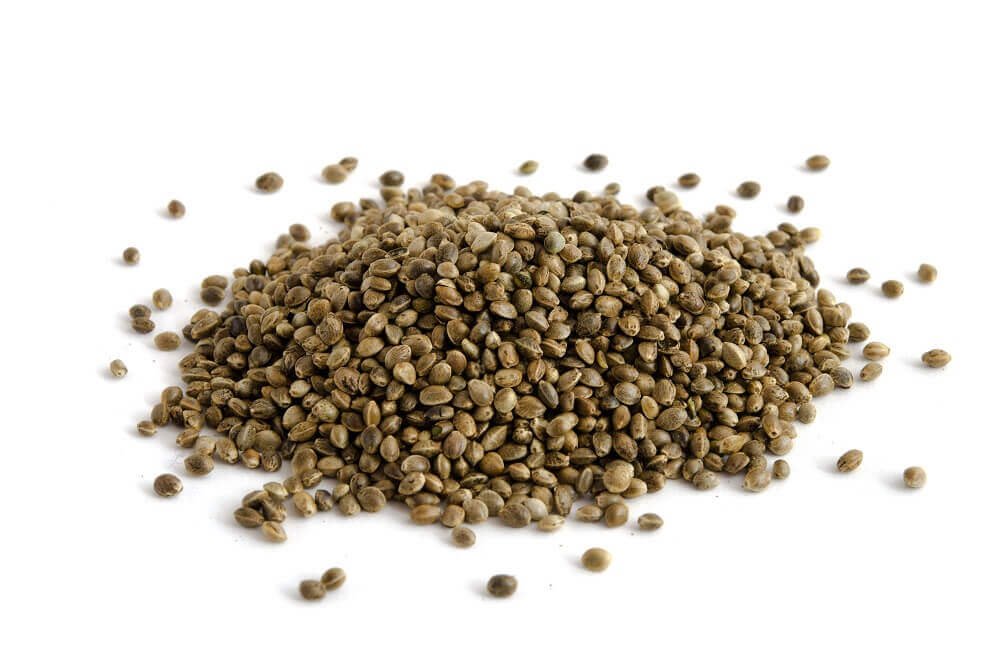
Unpeeled hemp seeds from Austria (100% natural) Hemp seeds are characterised by an unusually high nutrient density. Rich in easily digestible protein, essential fatty acids, vitamins, minerals, fibre and lecithin in perfect balance for our body. Hemp seeds have an optimal functional ratio of omega-3 to omega-6 fatty acids for humans, which is generally considered to be 4:1. Hemp seeds are therefore an excellent brain food, beautify the skin and promote the oxygen supply to the cells. Hemp seeds are a good food for the supply of EFS, linoleic acid, alpha-linolenic acid and the rare gamma-linolenic acid. These fatty acids are required for the production of numerous hormones and for cell renewal. They support the functions of the human body to maintain health and contribute to the normal development and growth of the organism. Omega-3 fatty acids are incorporated into the cell membrane and are necessary for its structure and function. Omega-3 fatty acids have an influence on blood lipid regulation. They contribute to health as part of a balanced diet. An ideal food for athletes, as edible hemp builds muscle and increases endurance. Vegetarians also benefit from this rich and high-quality source of protein. Whole hemp seeds, unlike hulled seeds, have a high fibre content. Why we love hemp seeds Hemp seeds are a wonderful gift from nature. Not only are they one of the most nutritious foods on the planet, they are also the most environmentally friendly food ever! Hemp grows easily everywhere, requires no pesticides or herbicides and is suitable for the production of almost everything we need in our modern society: Clothes, paper, biodegradable plastic, fuel, cars, building insulation, just to name a few. In addition, hemp seeds offer outstanding health benefits. They contain all the essential amino acids and essential fatty acids (including the rare gamma-linolenic acid!) that the body cannot produce itself and that are necessary for maintaining healthy human life. Hardly any other plant source contains essential amino acids in such an easily digestible form or essential fatty acids in such an optimal ratio for humans! Because hemp seeds are so rich in important nutrients, we eat plenty of them every day. A feat that is easy to accomplish, as hemp seeds are a delicious and versatile food. SamaraNatura organic hemp seeds whole/unpeeled SamaraNatura hemp seeds are obtained from legal, officially authorised cultivars that are grown in Germany and Austria without pesticides or agrochemicals. The omega-3 content in hemp seeds is higher when the plant grows in cooler climates, such as in Germany and Austria. Use of whole hemp seeds Delicious simply as a snack, sprinkled whole over salads, ground in soups and other dishes (also lightly roasted); as an ingredient in smoothies and muesli. Beginner or child (2-9 years): 15-30 grams per day Teenager (10-18 years): 30-50 grams Adults: 50-75 grams per day Competitive athletes: up to 140 grams per day Hemp seeds should only be eaten raw and should not be cooked with food. As hemp seeds do not contain the enzyme inhibitors typical of many seeds, they can be eaten raw without having to soak them in water first. Hemp can also be drunk fresh in the form of milk by pureeing the seeds in water and then straining them (see recipe). Nutritional values of whole/unpeeled hemp seeds per 100g Energy value 1955kJ/475kcal,fat 34g,of which saturated fatty acids 3.4g,monounsaturated fatty acids 5g,polyunsaturated fatty acids 24g,Carbohydrates 1.6g,of which sugar 1g,fibre 39g,protein 22g.All information is subject to the usual fluctuations of natural products. Are hemp seeds gluten-free? According to the law, a product may be labelled "gluten-free" if it has a gluten content of no more than 20 mg per kg. This is easily the case with unhulled hemp seeds and all other hemp products, as hemp is basically gluten-free. However, there are several reasons why hemp seeds can still contain traces of gluten: Cross-contamination during harvesting: The combine harvester used to harvest the hemp seeds usually also threshes other plants such as corn or cereals. There is always some residue from previous harvests in the cracks of the machine. Depending on how the combine harvester is used, there may unfortunately also be wheat residues. Cross-contamination in the field: The farmer only plants hemp in the hemp field. However, the open field cannot be shielded against plants that enter the hemp field with the wind and also grow the following year.
Content: 500 Gramm (CHF 2.28 / 100 Gramm)
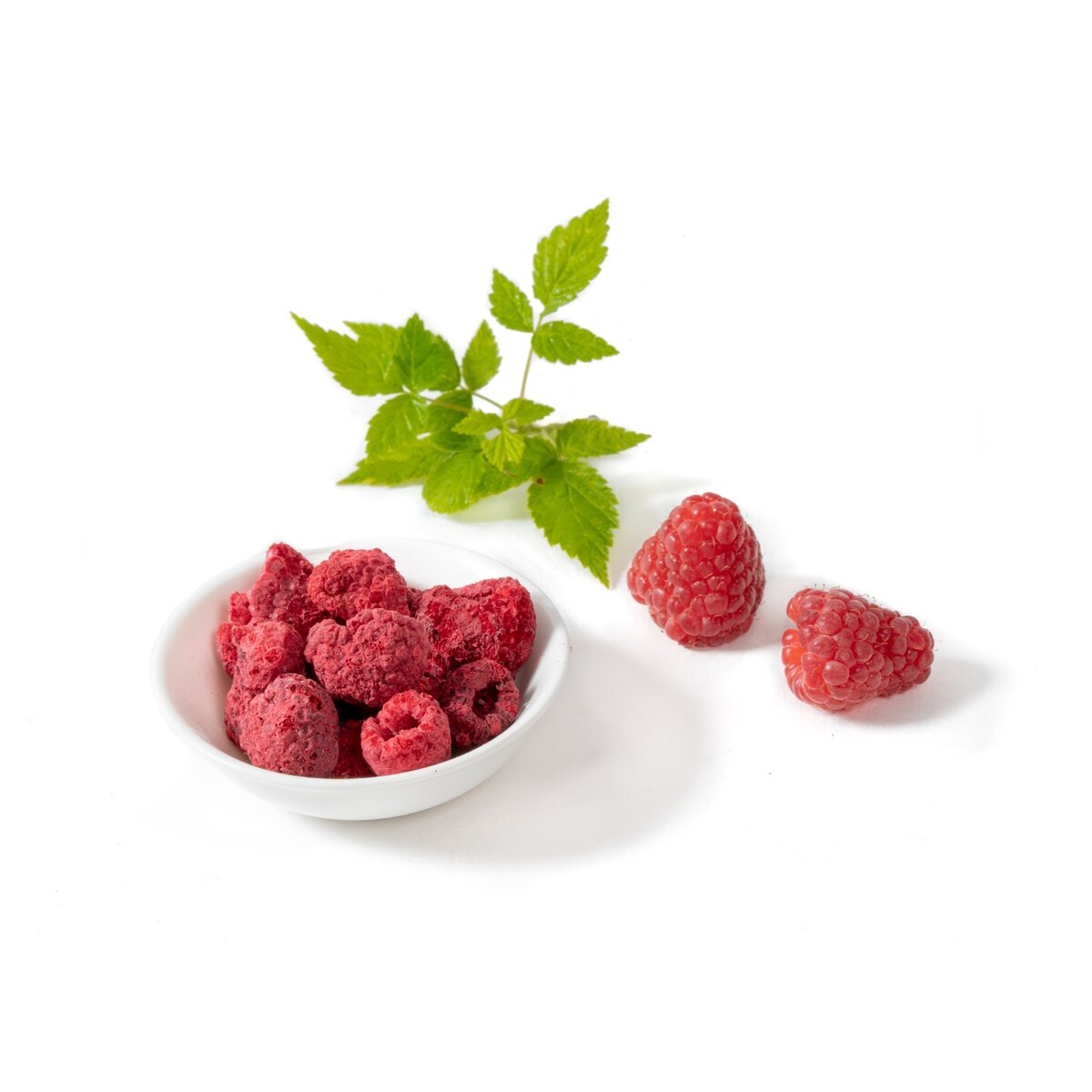
Organic freeze-dried raspberries Naturkostbar's freeze-dried raspberries are crunchy, aromatic, delicious and give you that summery fruit feeling all year round. Production The sun-ripened organic raspberries from Serbia are processed on site immediately after harvesting. They are freeze-dried using high-quality technology, whereby the water bound as ice is removed in a vacuum. The raspberries lose 90% of their weight in the process, but retain their natural appearance, intense flavour and most of their nutrients. In addition, the raspberries remain in raw food quality. Contents: Bag with 50g. Usage With their delicious fruity flavour, these freeze-dried, whole raspberries are perfect in muesli and as a topping for desserts. Also delicious with nuts and other dried fruit as a snack between meals. The freeze-dried raspberries can also be soaked briefly in water to make them juicy again. Nutritional information freeze-dried raspberries per 100g Energy / nutrient per 100gg/mg/μg%*1*1 Reference amount/daily intake for an average adult (8400kJ/2000kcal) Energy 1655kJ (394kcal) 19% fat 1.9g 1% of which saturated fatty acids 0.1g 0% Carbohydrates 86.7g 34% thereof sugar 34.6g 71% Dietary fibre 28g 29% Protein 7.1g 9% salt 0.01g 0% Vitamin C 156mg 195% calcium 250mg 31%
Content: 50 Gramm (CHF 20.72 / 100 Gramm)
Update: Both size variants (250g and 500g) are now from the new batch with best before 31.08.2027. Inca berry - sweet and sour superfruit Inca berries (Physalis peruviana), also known as Andean or Cape gooseberries, grow wild in the mineral-rich soils of the Peruvian Andes and have been enjoyed in South American cultures for thousands of years. An ancient food and one of the last products cultivated by the Incas, they have been undergoing a worldwide rediscovery in recent years. The delicious, sweet and sour berries grow in protective paper-like shells that look like small Chinese lanterns. Why we love Inca berries Inca berries have an exquisite, exotic, sweet and sour flavour that is second to none. A delicious snack. Connoisseurs like to enjoy them with chocolate products and wine. The Inca berry is also known as the "goji berry of South America". The small, chewable seeds of the Andean berries have a slightly laxative effect. SamaraNatura organic Inca berries SamaraNatura Inca berries are of raw food quality and are grown without pesticides or agrochemicals. Our Inca berries are soft and relatively sweet, not as sour as they are usually found. Harvesting and drying these precious little berries is a very time-consuming job, hence the relatively high price. In fact, it takes one person a whole day to clean only about 10kg of fresh fruit. The berries are placed in sun dryers and taken out again when they have reached the perfect level of moisture and are still a little soft. It takes about 3kg of fresh fruit for 500g of dried berries. Use Excellent as a snack on their own. Their exquisite, exotic flavour goes perfectly with chocolate and wine. Inca berries enrich many desserts, smoothies, mueslis, baked goods, trail mixes and jams. The unmistakable balance of sweet and sour flavour also goes well with chia pudding and lucuma. Nutritional values of Inca berries (physalis) per 100g Energy value 1276kJ/304kcalFat 5.6gof which saturated fatty acids 0.5gCarbohydrates 49.0gof which sugar 34.4gProtein 6.6gSalt <0.1g
Content: 250 Gramm (CHF 6.04 / 100 Gramm)
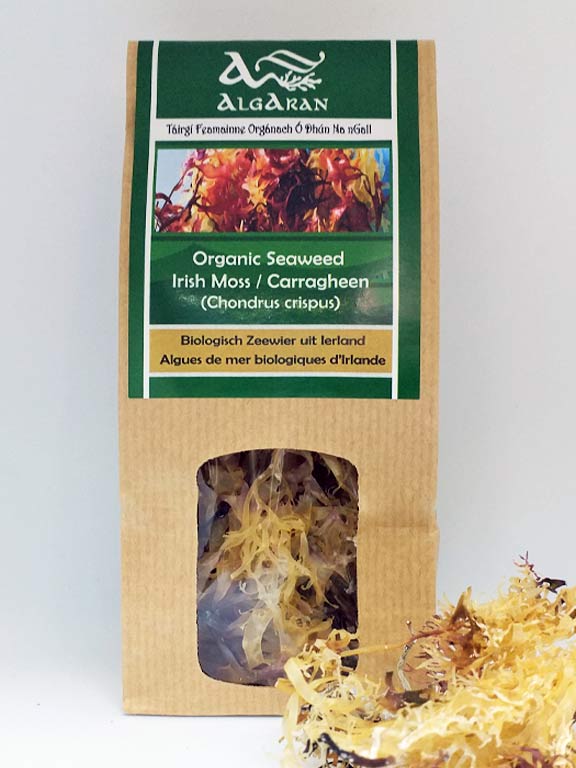
Irish Carragheen Moss Irish carragheen moss is an algae that grows mainly on rocks along the Atlantic coast of Europe. It was first discovered near Ireland, hence the name. Why consume Irish moss? Irish moss is thought to contain at least 15 essential elements that are key components of the human body. Some of the elements found in the algae, which are present in impressive quantities: Calcium, potassium, iodine and vitamins such as A, D and E. The main health benefits of Irish moss are due to its high carrageenan content (up to 71%). This substance has been used for centuries as a traditional medicine to make medicinal teas and cough syrups to combat colds, bronchitis and even hangovers after excessive alcohol consumption. We appreciate that Irish Moss soothes the digestive and respiratory tracts and is excellent for sensitive guts and stomachs. Ideal food for sensitive people. Irish moss is the main source of carrageenan, which is used as a vegan thickening agent in many products and recipes and has recently been patented as an antiviral agent. It is the vegan version of gelatine and is widely used as a thickening agent in stews, sauces, jams and many desserts. We have used Irish moss in several dessert recipes and it works wonderfully to make them airy and light, and it reduces the large amount of nuts needed, which is often used in vegan recipes. It also contributes a large amount of minerals to recipes and is virtually flavourless. A perfect addition to smoothies. Last but not least, it is a very affordable and easy way to include many minerals in our diets that might otherwise go to waste. Irish moss for the skin Our personal experience is that it is very good for dry skin, including eczema and other skin conditions. We always keep a jar of Irish Moss nearby to use on our skin. What makes our Irish Moss special? The harvesting area is in Kilcar/Donegal in the north-west of Ireland. Harvesting is done by hand, with great respect and care for the marine environment. The harvested seaweed is rinsed on the shore and then dried at low temperatures to preserve its rich nutritional content. Our organic certification requires that all seaweed is harvested only from clean shores, free from contamination, that the seaweed is processed within just a few hours and that the harvesters work with the utmost respect for the marine environment. In addition, regular analyses ensure that all algae products are safe and healthy to eat. Algaran also guarantees with full documentation that their seaweed is only of local Irish origin, that it contains no heavy metals (contamination index), that processing temperatures never exceed 30°C and that it is freshly harvested (date of harvest is on the label). Interesting facts about Irish moss The Irish people used the seaweed during the Irish famine in the 19th century and since then its popularity has grown exponentially. Irish moss also grows on rocks on Jamaica's shores and its popularity on the island grew when the Irish brought their traditional use of the seaweed to the island. It is one of the most commonly used seaweeds. In Ireland, for example, it is traditionally used for colds and as a tonic in the cold winters, while in other countries it is also known as an aphrodisiac. Use of Irish moss | Recipe recommendation The basic jelly made from Irish moss contains all the minerals and nutrients of the plant and can be used in delicious desserts. The basic jelly is made as follows: Soak 20g of Irish moss in a bowl of cold water for 30-60 minutes and then rinse. Pour 9dl of water and the soaked Irish moss into a pan. Bring to the boil and simmer for 30 to 60 minutes. Stir from time to time to ensure the mixture does not stick to the bottom of the pan. The Irish moss will break into pieces and the mixture will become gelatinous. While the mixture is still warm, remove any fragments that have not yet dissolved and pour the gel into sterilised bottles and keep in the fridge. Use a spoonful in desserts, soups, stews, sauces, smoothies or dissolve in water for a soothing tea (add your favourite spices). It will keep in the fridge for several weeks. When it starts to smell slightly spicy, the mixture is spoilt and can no longer be used. Irish moss is also excellent to apply to the skin: for burns, chapped skin, eczema and cold sores. It is very often used in the natural cosmetics industry for its soothing and antiviral properties. Ingredients Irish Moss 100% dried algae Irish moss (Chondrus crispus), from certified organic wild harvesting. Nutritional values of Irish moss per 100g Energy value 552kJ/132kcal Proteins 11.2 g Carbohydrates 1.7g Of which sugar 0.04g Fats 1.4g of which saturated fatty acids 0g fibres 47.7g salt 0.4g All values are subject to the usual fluctuations in natural products. Storage: Store in a cool, dry and dark place.
Content: 40 Gramm (CHF 21.38 / 100 Gramm)
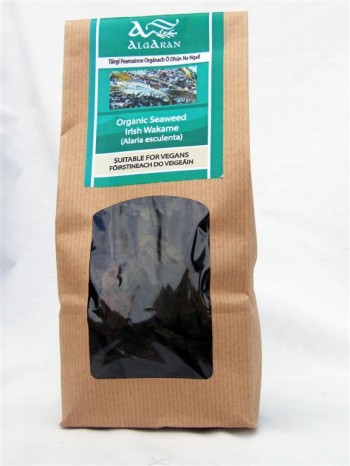
Irish wakame - wild collections from the Irish Atlantic coast Irish wakame is an algae that grows mainly on rocks along the Atlantic coast of Europe. It was first discovered near Ireland, hence the name. The Irish people used the seaweed during the Irish famine in the 19th century and since then its popularity has grown exponentially. Why we love Irish wakame With its high calcium content, this seaweed is a great addition to the diet. The taste of wakame is quite acceptable by seaweed standards as it does not have a fishy flavour. Algaran Irish Wakame The harvesting area is in Kilcar/Donegal in the north-west of Ireland. All AlgAran seaweed is harvested by hand with great respect and care for the marine environment. The harvested seaweed is rinsed on the shore and then dried at low temperatures to preserve its rich nutritional content. Our organic certification requires that all seaweed is harvested only from clean shores, free from contamination, that the seaweed is processed within just a few hours and that the harvesters work with the utmost respect for the marine environment. In addition, regular analyses ensure that all algae products are safe and healthy to eat. Algaran also guarantees with full documentation that their seaweed is of local Irish origin only, that it contains no heavy metals (contamination index), that processing temperatures never exceed 30°C and that it is freshly harvested (date of harvest is on the label). Use of Irish wakame Lightly cooked as a sea vegetable or in sauces and soups. Ingredients Irish Wakame 100% dried seaweed Irish wakame (Alaria esculenta), from certified organic wild harvesting, IE-ORG-03 Nutritional values of Irish wakame per 100g Fat 1-2gCarbohydrates 46-51gProtein 9-20gVitamin C 10-50mgCalcium 1.167-1.29gIodine 16.5-27.5µgIron 5-12.6mgMagnesium 0.896mg. For detailed information see Wakame Nutritional Info
Content: 40 Gramm (CHF 19.72 / 100 Gramm)
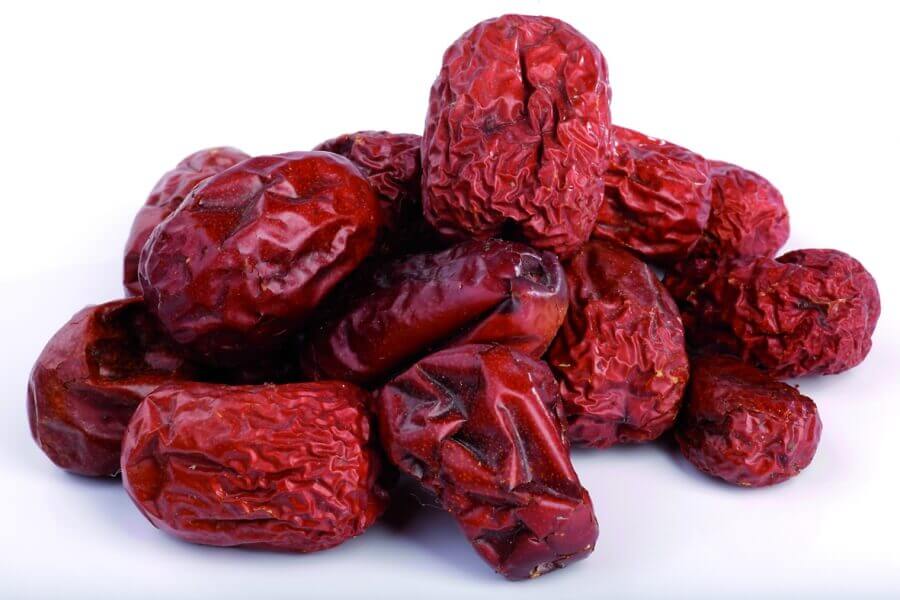
Organic jujube with stone from wild collection in premium quality Update: The new batch of jujube will be packed on 29 May at the latest and will be available again from then. Attention: These are whole jujubes with stone. Be careful when eating! Jujubes belong to the botanical family of buckthorn plants and have been cultivated in China for over 4000 years. There are at least 400 varieties of jujube. Although they are sometimes referred to as red dates, Chinese dates or Indian dates, they are not related to dates and grow on relatively small trees, Ziziphus jujube, which thrive in extreme temperatures. Jujubes are brown-red on the outside and beige on the inside, with a crispy, edible skin and a sweet flavour like a mixture of dried apples, pears and dates with a marshmallow texture. Why consume Jujubes? Jujubes contain a wide range of different nutrients, including 18 of the most important amino acids and magnesium, potassium, copper, niacin, calcium, manganese, phosphorus and iron. They contain high amounts of vitamin C, which strengthens the immune system and fights infections. This is possibly the reason why they have been used for thousands of years in many cultures as a tea for sore throats, for example. Test the effect of a jujube tea if you have a cough or sore throat. You can find the recipe in the Recipes tab. The flavonoid apigenin (also found in camomile, thyme and red wine) contains antioxidants and can have a positive effect on the liver, digestion and allergies. It is also said to be anti-inflammatory. What makes our wild organic jujubes special? Our red dates come from certified organic cultivation in north-west China. This is where the flavour and special ingredients develop well in the warm and long summers. The jujubes are carefully harvested and dried at below 42°C by gentle solar drying and then sorted by hand. Jujube is a super delicious fruit with a unique texture that is extremely rare to find. It is not too sweet and is an ideal, healthy snack. How to use jujubes? We recommend these interesting jujube berries, which are a little less sweet than other dried fruits, as a snack between meals. Dried jujubes can be used instead of dates or apples in recipes. Jujubes can also be used as a tea (see tab Recipes). Recommendation: Soak the jujube in water for 2 hours. This makes them softer and slightly sweeter. Nutritional values of organic jujube per 100g Energy value 1157kJ/276kcalFat 0.8gof which saturated fatty acids 0.2gCarbohydrates 61.8 gof which sugar 61.8 gProtein 3.6 gDietary fibre 10.8gSalt 0.02gVitamin C 119mg (200%*) All information is subject to the usual fluctuations for natural products.*Per cent of the recommended daily intake for an adult according to the LGV. Storage: Store in a cool, dry and dark place.
Content: 250 Gramm (CHF 7.22 / 100 Gramm)
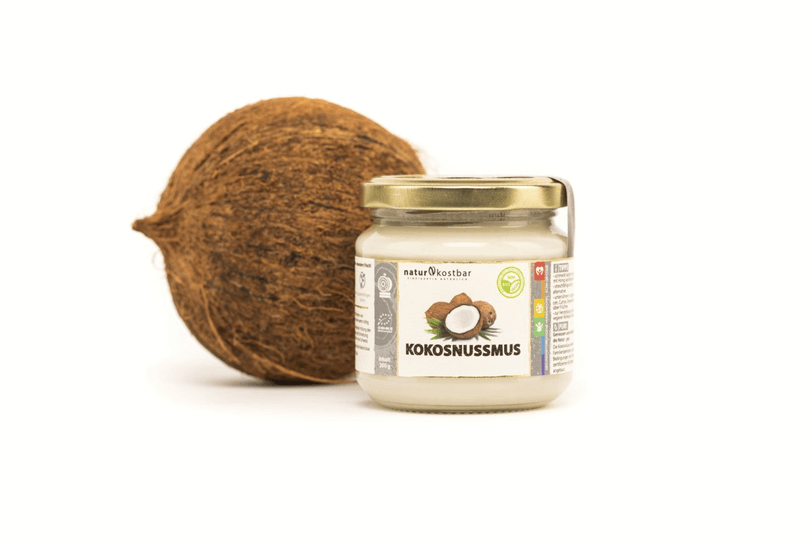
Coconut puree from Naturkostbar In the warm, subtropical climate of Sri Lanka, the coconuts grow on the magnificent coconut palms on the kilometre-long sandy beaches. They are harvested and cracked by hand, then grated and dried at low temperatures. Naturkostbar imports the raw grated coconut and produces the delicious coconut puree in Uetendorf near Thun. The traditional stone mill process is used to produce a creamy puree in a particularly gentle and slow way. This slow processing allows the flavours to develop even better and gives the puree a wonderfully smooth consistency. Use Coconut puree enriches countless dishes, from savoury (e.g. curries) to sweet (desserts). With its velvety-silky consistency, it gives many dishes an exotic, incomparable flavour. It also refines smoothies, muesli, ice cream and desserts. Tip: Spread coconut butter on bread instead of butter. Weight variations Coconut puree is currently only available in 200g jars. Nutritional values of coconut puree per 100g Naturkostbar's coconut puree is made exclusively from ripe coconuts and is a source of many minerals. Phosphorus, iron and magnesium support our energy metabolism. Magnesium in particular supplies the muscle cells with energy, which can prevent painful cramps during sport. Phosphorus is needed for energy production and utilisation and also plays a role in building our bones. Zinc contributes to the normal functioning of the immune system and helps to protect our cells from oxidative stress. Nutritional values Øper 100g/100ml%11 Reference amount for an average adult (8400kJ/2000kcal) Energy 2720kJ (660kcal) 32% fat 63.3g 90% of which saturated fatty acids 54.8g 274% of which monounsaturated fatty acids 3.8g 25% of which polyunsaturated fatty acids 1g - Carbohydrates 6.4g 2% thereof sugar 6.4g 7% Dietary fibre 20g 40% Protein 6.2g 12% salt 0.3g 5% B-carotene (provitamin A) - - Vitamin A - - Vitamin B1 - - vitamin B2 - - Vitamin B3 0.8mg 5% Vitamin B6 0.2mg 14% Vitamin B12 - - Vitamin C - - Vitamin D - - Vitamin E 1.3mg 11% Vitamin K - - biotin - - calcium 25mg 3% chloride 200mg 25% chromium - - iron 3.5mg 25% fluoride - - Folic acid/folacin - - iodine 3µg 2% Potassium 600mg 30% copper - - magnesium 90mg 24% manganese - - molybdenum - - pantothenic acid - - phosphorus 180mg 26% selenium - - Zinc 1.5mg 15% Origin of raw materials: Sri Lanka Certification: CH-BIO-086
Content: 200 Gramm (CHF 6.40 / 100 Gramm)
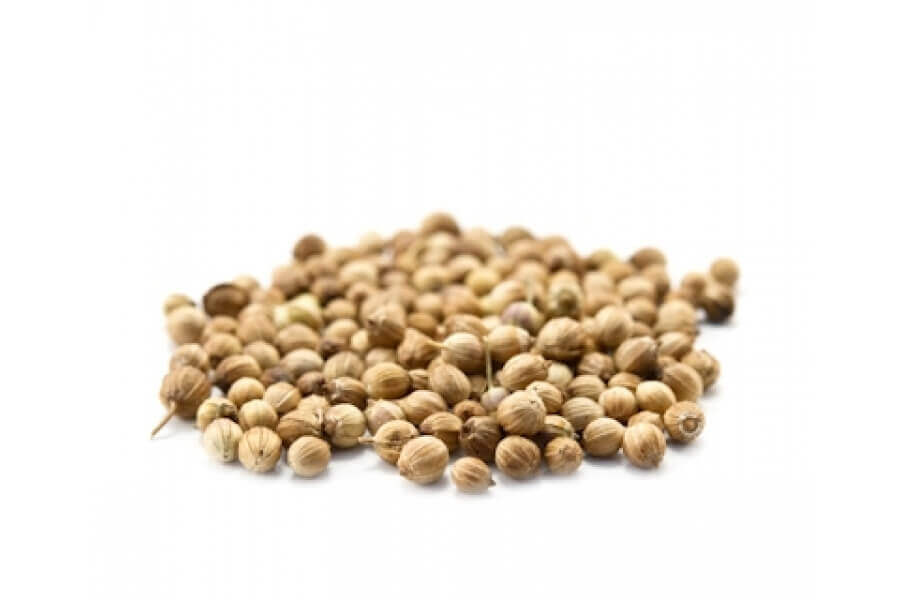
Organic coriander seeds Our high-quality alfalfa sprouts (also known as alfalfa seeds) are the perfect addition to your healthy diet. The name alfalfa comes from the Arabic and means "father of all food". The small, tender sprouts are not only delicious, but also rich in valuable nutrients. Among other things, they contain a lot of protein (with all the essential amino acids), vitamin C and oestrogens. Why eat alfalfa sprouts? Rich in essential nutrients: Alfalfa sprouts are real nutrient packets. They contain a wealth of vitamins, including vitamin A, B-complex, C, D, E and K. They are also rich in minerals such as calcium, iron, magnesium, zinc and potassium. These valuable nutrients can contribute to a strengthened immune defence, a healthy bone structure and optimal metabolic function. Enzymes and antioxidants for your health: The special thing about alfalfa sprouts is their high content of enzymes and antioxidants. These natural compounds can aid digestion, promote detoxification of the body and can actively combat free radicals, which can be responsible for premature ageing processes. Instructions for growing alfalfa sprouts We recommend growing coriander as a micro-green. Growing coriander in jars is not easy. Simply grow your coriander in potting compost How to use alfalfa sprouts? Alfalfa sprouts are extremely versatile and go perfectly with a variety of dishes. You can simply enjoy them as a fresh ingredient in salads, sandwiches, wraps or smoothies. They are also a delicious addition to soups or stews. Two handfuls of alfalfa sprouts (equivalent to approx. 100g) provide all the essential nutrients you need. Also ideal during pregnancy and breastfeeding to support milk production. Country of origin of coriander seeds Italy
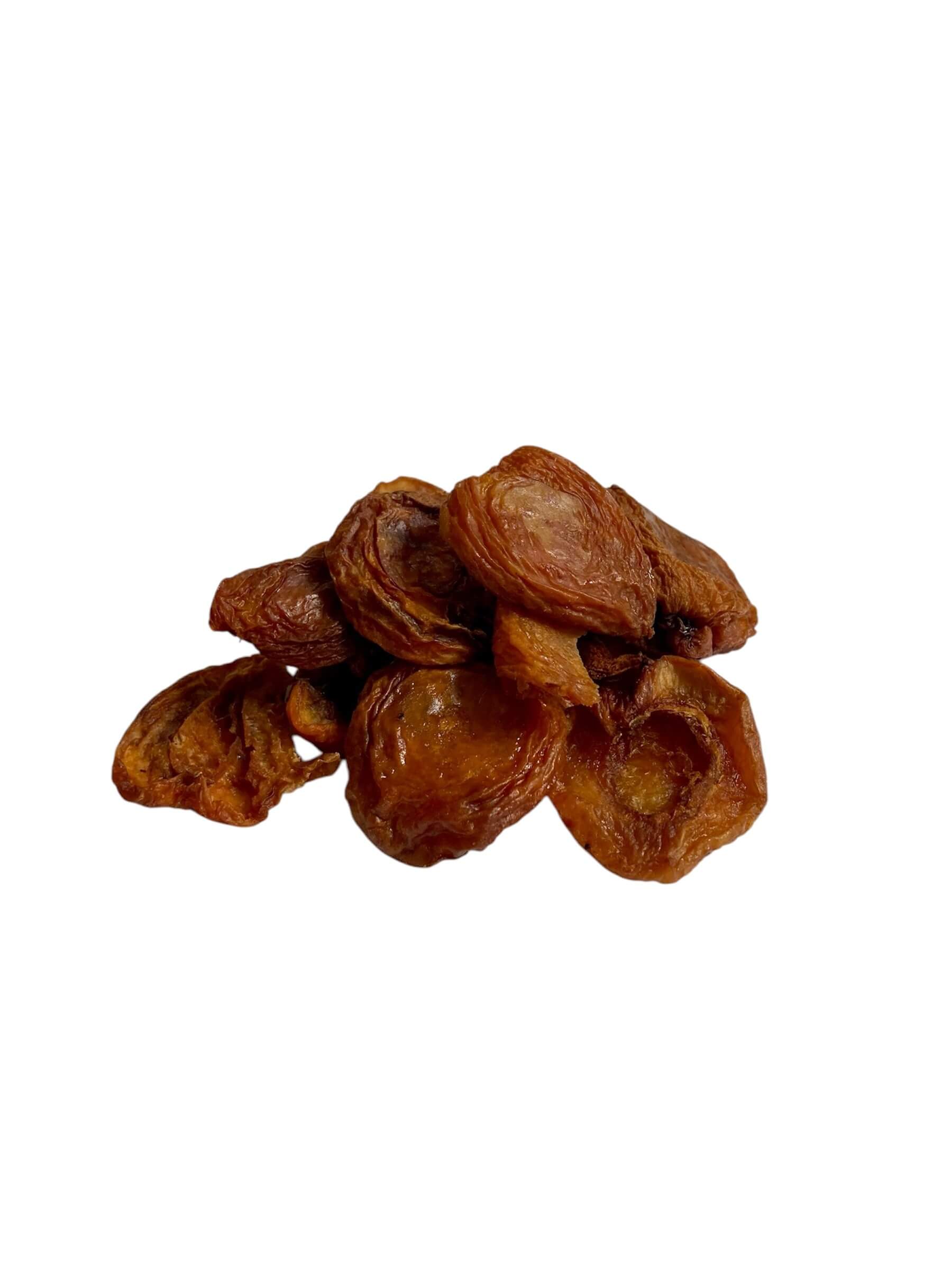
Wild organic Kuraga apricots dried from Uzbekistan The flavoursome Kuraga apricot halves without stones are hand-picked from wild trees. They come from mountainous regions along the old Silk Road in Uzbekistan, where the wild trees contribute to natural biodiversity. The apricots are gently dried in the sun at below 42°C to preserve their natural flavour and nutrients. Kuraga apricots have a stronger sweet and sour flavour than most other apricots. Related to the peach, the apricot is a fragrant fruit with a soft, velvety skin. Uses This versatile fruit is perfect for trail mixes, as a snack, for salads or savoury dishes. Cut into small pieces, Kuraga apricots are also great in muesli or yoghurt. Warnings May contain pits and parts of pits despite careful processing. May contain traces of nuts. Nutritional values Wild Kuraga apricots dried per 100g Energy value 1004 kJ / 238 kcalFat 0.6g - of which saturated fatty acids 0.0gCarbohydrates 48 - of which sugar 45gFibre 11gProtein 5gSalt 0.03g
Content: 250 Gramm (CHF 6.40 / 100 Gramm)
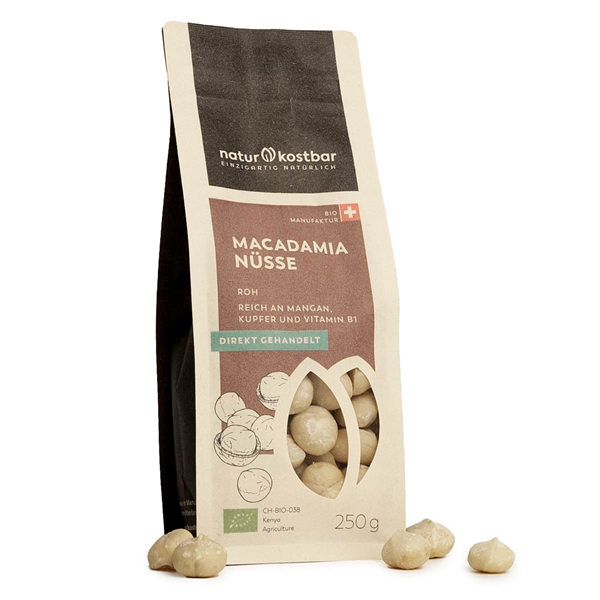
Organic macadamia nuts from Kenya Naturkostbar macadamia nuts are particularly large,crunchy and buttery sweet. Macadamia nuts are among the most expensive nuts in the world due to their difficult cultivation and fluctuating quality, which is why the macadamia nut is also known as the "queen of nuts". Origin and processing These macadamia nuts grow in one of the most fertile regions of Africa, at the foot of Mount Kenya. Due to the high altitude and the associated cold nights, the nuts are of a very high quality. The Kenyan farmers cultivate the nut trees in harmony with nature. After harvesting, the macadamia nuts are gently dried and shelled in the region. They are then imported directly to Switzerland by Naturkostbar. Use The natural macadamia nuts are a special snack thanks to their delicate, creamy sweet flavour. Of course, the delicious nuts can also be used for macadamia milk or in desserts, although macadamia nut is better suited to this. Nutritional information organic macadamia nuts per 100g Energy / nutrient per 100gg/mg/μg%11 reference quantity/daily dose for an average adult (8400kJ/2000kcal) Energy 3021kJ (734kcal) 36% fat 73.1g 104% of which monounsaturated fatty acids 59.1g 394% of which polyunsaturated fatty acids 1.5g - of which saturated fatty acids 12.5g 63% Carbohydrates 5.1g 2% thereof sugar 4.8g 5% protein 8.5g 17% salt 0g 0% Dietary fibre 10.5g 21% Vitamin A - - Vitamin C 6.1mg 8% Vitamin D - - Vitamin E 0.6mg 5% Vitamin K - - B-carotene (provitamin A) - - Vitamin B1 0.73mg 66% Vitamin B2 0.1mg 7% Vitamin B3 2.4mg 15% Vitamin B6 0.3mg 21% Vitamin B12 - - magnesium 120.8mg 32% Copper 0.6mg 60% Manganese 4.8mg 240% selenium - - iodine - - Folic acid/folacin 10µg 5% chloride - - potassium 366mg 18% biotin - - pantothenic acid - - Calcium 75.8mg 9% Phosphorus 196.3mg 28% Iron 3.2mg 23% Zinc 1.3mg 13% Molybdenum - - fluoride - - chromium - -
Content: 250 Gramm (CHF 6.84 / 100 Gramm)
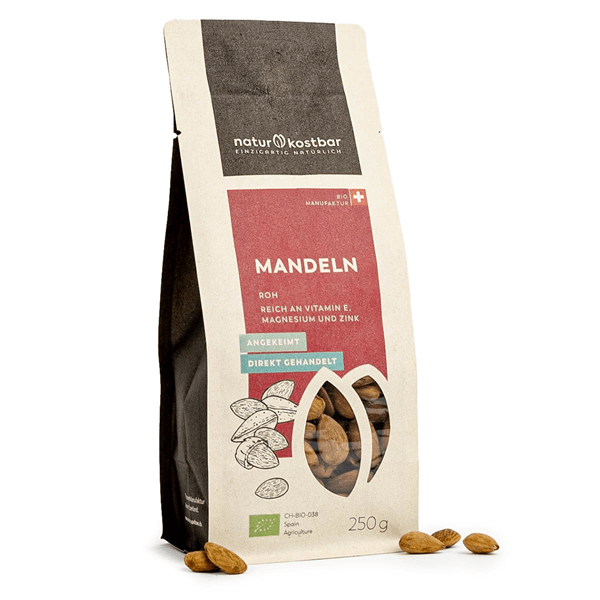
Organic sprouted almonds - double the magnesium and calcium content The organic almonds from Spain are soaked and sprouted in the Naturkostbar manufactory for several hours. They are then dried for 24 hours at a maximum temperature of 42° C. Germination neutralises the phytic acid present in the almonds and significantly increases the nutrient density. In addition, the almonds can be digested better, which also improves nutrient absorption. An analysis of the magnesium and calcium content of raw and sprouted almonds shows clear differences: Magnesium mg/kg Calcium mg/kg Almonds not sprouted 1140 1430 Almonds sprouted* 2470 3320 *Measurement by Wessling Group AG on behalf of Naturkostbar. Use of sprouted almonds Like normal almonds, sprouted almonds are suitable as a snack on their own or mixed with dried fruit and cocoa chips to make trail mix. Additional information Contents: Bag with 250g. Caution: May contain pieces of shell. Origin and production: Organic almonds from Spain, sprouted in the Naturkostbar Manufaktur in Uetendorf near Thun. Organic certificate: CH-BIO-086 Nutritional values of sprouted almonds Nutritional values Øper 100g/100ml%11 Reference quantity for an average adult (8400kJ/2000kcal) Energy 2508kJ (607kcal) 30% fat 53g 76% of which saturated fatty acids 5.08g 25% of which monounsaturated fatty acids 36g 240% of which polyunsaturated fatty acids 11.9g - Carbohydrates 3.9g 2% thereof sugar 3.5g 4% Dietary fibre 12.6g 25% Protein 22.3g 45% salt 0.03g 1% B-carotene (provitamin A) - - Vitamin A - - Vitamin B1 0.3mg 27% Vitamin B2 0.4mg 29% Vitamin B3 4.2mg 26% Vitamin B6 0.1mg 7% Vitamin B12 - - Vitamin C - - Vitamin D - - Vitamin E 12mg 100% Vitamin K - - Biotin 10µg 20% calcium 270mg 34% chloride 40mg 5% chromium - - iron 4.8mg 34% fluoride - - Folic acid/folacin 48µg 24% iodine 2µg 1% Potassium 760mg 38% copper - - magnesium 240mg 64% manganese - - molybdenum - - Pantothenic acid 0.5mg 8% phosphorus 510mg 73% selenium - - Zinc 6mg 60%
Content: 250 Gramm (CHF 5.70 / 100 Gramm)

Dried organic mango slices Update: We were able to buy Mexican mango slices again and have packed them in 250g bags. The dried organic mango slices in raw food quality come from the Mexican Pacific coast - the best mango region in the world. They are naturally incredibly sweet and fruity. They are also beautifully soft and fibre-free. The only downside is their high addictive potential. The perfectly ripe mangoes are peeled, cut and gently dried at below 42° C to preserve their natural quality. No preservatives or other artificial additives are used. Like fresh mangoes, these mango slices are an incredible source of energy, fibre and vitamins. Mangoes also contain a unique antioxidant called mangiferin. Uses Their excellent nutritional profile and delicious flavour make our mango halves the perfect snack. Warnings May contain traces of nuts. Nutritional values of dried mango slices per 100g Energy value 1261 kJ / 298 kcal Fat 2.2g - of which saturated fatty acids 0.5g Carbohydrates 62g - of which sugar 60gDietary fibre 8.2g Protein 2.9g Salt 0.06gVitamin B6 0.51mg (36%)*Potassium 835mg (42%)* *according to nutrient reference values
Content: 250 Gramm (CHF 6.08 / 100 Gramm)
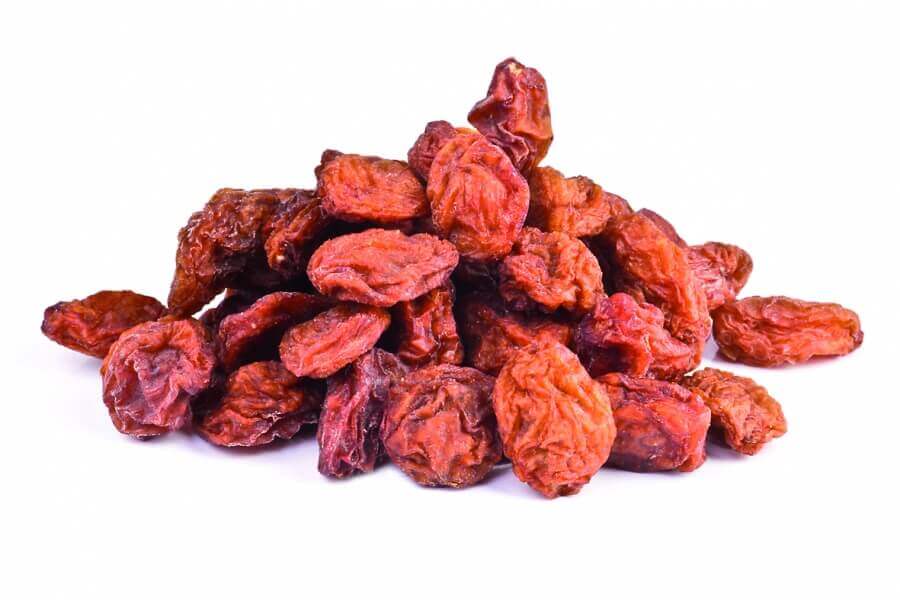
Organic manucca sultanas - the super sultanas Product description Our organic brown manucca sultanas with stone are: 100% pure nature, i.e. unoiled, without artificial additives, without preservatives, without sweeteners, without colourings 100% organic nice sized sultanas with seeds contain antioxidants and omega-3 fatty acids gently sun/solar dried -> raw food quality Dried sultanas contain the same nutrients as fresh grapes, but in a concentrated, concentrated form. Sultanas contain a very high antioxidant capacity of up to 10450 µmol TE (ORAC value = Oxygen Radical Absorption Capacit). Antioxidants prevent unwanted oxidation in our body. They are therefore also known as radical scavengers. Their contribution slows down the ageing process of cells. Equally interesting are the amino acids they contain, especially valine, threonine, lysine, leucine and histidine. The seeds are also very interesting as they contain vitamins A and E as well as polyunsaturated fatty acids such as linoleic acid (omega 6). Properties of manucca sultanas The brown manucca sultana owes its name to the South Sea myrtle, also known as manucca. The legendary manucca honey is made from its flowers with the help of bees. What do manucca sultanas and manucca honey have in common? The honey-golden, brown colour and a fantastic and unique taste. Our organic manucca sultanas are particularly large brown sultanas that contain 1-2 seeds per sultana. The flesh is soft and slightly crunchy due to the centre. The flavour is intensely sweet and fruity, while the stone gives the sultanas a slightly tart note. Origin and production The organic manucca sultanas come exclusively from Uzbekistan. The area is extensively certified organic and FAIRTRADE and is farmed by the FAIRTRADE farmers who live there. The farmers belong to a large Fairtrade community, which is made up of 3 groups, Dustkul Bogi, Turkiston Gulba and Turob Bobo. They include around 1000 individual farmers and their families. Thanks to the co-operation with Fairtrade, the farmers can offer their families a secure income and their children a new perspective. The grapes are harvested by hand when fully ripe, piece by piece, and sorted by hand on the same day. The grapes are then gently dried with the help of the sun. The drying process used is a very environmentally friendly solar drying method that is extremely gentle on the product. Around 700g of fresh organic grapes are needed to produce 100g of organic manucca sultanas, i.e. a ratio of 1:7. Nutritional values of dried manucca sultanas per 100g Energy value 1279 kJ / 302 kcal Fat 0.6g - of which saturated fatty acids 0.2g Carbohydrates 69g - of which sugar 63gDietary fibre 5.2g Protein 2.5g Salt 0.05gPhosphorus 110mg (16%)*Iron 2.3mg (16%)* *according to nutrient reference values
Content: 250 Gramm (CHF 4.00 / 100 Gramm)
Update: The Marine Phytoplankton from Oceans Alive® is now called Recharge and has been given a new design. Marine phytoplankton - superfood from the sea Phytoplankton are microscopic marine algae that form the basis of the food chain. This unique superfood from the ocean can noticeably boost the body's energy levels, especially when consumed daily. Due to its abundance of minerals and vitamins and the original life force absorbed from the sun, one can experience a new, whole-body inner strength by taking the concentrate. People who consume marine phytoplankton report many positive experiences for the body. Marine phytoplankton is a living, holistic and concentrated raw food that can be preserved without refrigeration. Because it is very concentrated, you only need a small amount. Why we love marine phytoplankton The microscopic plants that form the immeasurably large base of the oceanic food chain produce an incredible amount of energy - five times the annual energy consumption of the human world, according to a study by Florida State University! Phytoplankton stores as much energy as humans produce in a year. This makes phytoplankton not only an incredible source of nutrition, but also a significant source of bio-energy. Marine phytoplankton produces more oxygen than all the forests on earth combined. Phytoplankton is a precious, complete food, "Mother Earth's milk from the sea", giving the body virtually all the raw materials it needs in a single food source. Phytoplankton is the smallest of all microalgae. Oceans Alive® Recharge Marine Phytoplankton The marine phytoplankton is cultivated in Spain, is of raw food quality and is produced without the use of pesticides or agrochemicals. After extensive research on phytoplankton, only four species out of 400 were found to be particularly beneficial to humans, from which a particularly nutritious species was selected for production as human food. This particular species grows in sophisticated bio-reactors with natural seawater in a simulated "spring bloom environment" where natural photosynthesis is enabled with the help of sunlight. To produce the liquid solution, the living biomass is mixed with a concentrated ionic trace element solution as soon as it is removed from the centrifuge. The concentrated solution, which is produced in a natural evaporation process using sun and wind, contains more than 90 ionic minerals and trace elements. The purified seawater concentrate can preserve the original life energy of the marine phytoplankton in "suspended animation" so that it can be bottled and stored at room temperature without loss of quality. The living solution is then charged with biophotons and potentised with its own frequency to maximise its life force. The result is a living, holistic, concentrated raw food quality food that does not require refrigeration. Uses Marine phytoplankton is very concentrated, even a small amount is sufficient. Recommended intake: 5-15 drops daily, starting with a smaller amount and increasing over a longer period of time. It is easiest to drip the concentrate under the tongue, whereby the essential nutrients are absorbed directly into the body without passing through the digestive system. You can also put the drops in a jug of water and drink it throughout the day. Another option is to take the liquid essence with your favourite drink (juice, smoothie, milk drink). There is said to be a special synergy between water kefir and marine phytoplankton. Try it out. Marine phytoplankton is best when taken with liquids and on an empty stomach so that the body fully absorbs the nutrients. Children: Children (from 18 months) can also take marine phytoplankton. However, it is advisable to reduce the amount to 5-10 drops per day. From the age of 15, the adult dose of 5-15 drops can be taken. The challenge with children is unfortunately the taste. Marine phytoplankton has an intense algae flavour. If the child does not accept the flavour, we recommend mixing it with fruit juices. Note: Like almost all microalgae, marine phytoplankton is rich in vitamin K. Contents A 30ml bottle contains approximately 750 drops. 25 drops make approx. one millilitre.If you take 12 drops per day, the bottle will last for about 62 days. Nutritional information 12 drops contain 34mg magnesium, 336mg marine minerals, 130mg Nannochloropsis Gaditana algae and 14mg Tetraselmis phytoplankton. Ingredients Nannochloropsis Gaditana phytoplankton, Tetraselmis phytoplankton and concentrated, purified marine minerals. Storage Cool, dark and dry. Marine Phytoplankton is not heat-sensitive and does not need to be stored refrigerated even after opening. However, it is important that the product is not directly exposed to the sun. If you do not consume it for a longer period of time, it does not hurt to keep the open bottle in the refrigerator.
Content: 30 ml (CHF 186.83 / 100 ml)
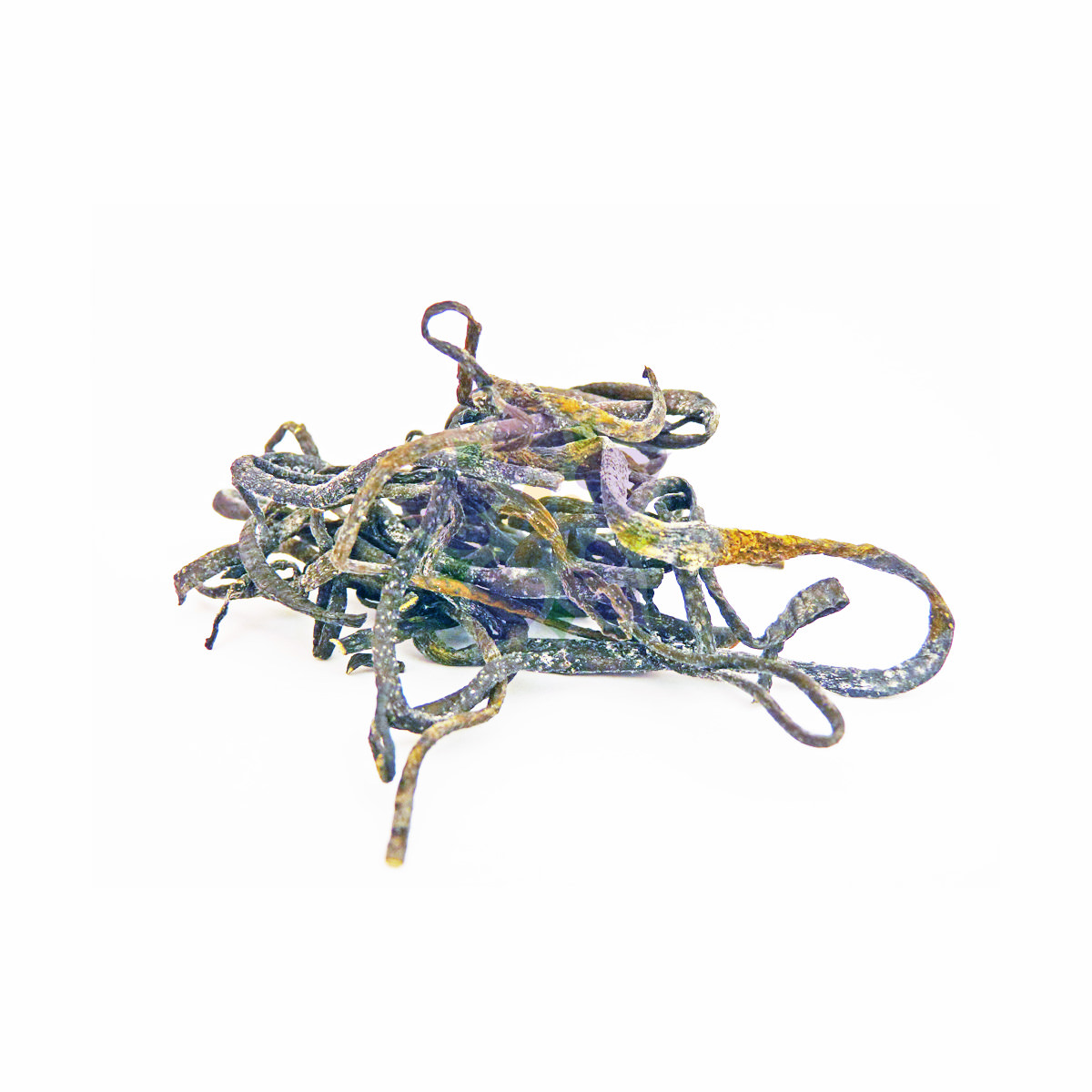
Organic sea spaghetti (seaweed) - wild harvested from the Irish Atlantic Sea spaghetti is a gluten-free and very low-calorie alternative to normal spaghetti and, like normal spaghetti, is easy and versatile to use. A healthy substitute for salt and important for vegetarians as it is rich in iodine! Seaweed or sea vegetables in general have the broadest spectrum of minerals and trace elements of all foods. Sea vegetables in general Sea vegetables are wild plants of the ocean that grow on coral reefs and rocky coasts, usually in salt water. Sea vegetables are enjoyed in many coastal regions around the world and enrich most dishes with flavour and nutrients. Sea vegetables contain almost all the minerals and trace elements that the sea has to offer! In general, sea vegetables are an excellent source of calcium, iodine and sodium, a very good source of folic acid and magnesium and a good source of iron, potassium, vitamin B2 and B5. They also contain vitamin K and trace elements such as selenium and chromium, which are often lacking in land vegetables due to depleted soils. When consumed regularly and over a long period of time, sea vegetables are said to help regulate the metabolism and energy levels, stimulate the immune system, promote regular digestion, purify the blood and support the endocrine glands - especially the thyroid gland. Sea vegetables are an ideal substitute for salt in the diet. Organic sea spaghetti (Riementang) Sea spaghetti or seaweed (Himanthalia elongata) is a special sea vegetable. It resembles spaghetti, but tastes like seaweed. Much of the seaweed flavour disappears when soaked, making it as soft as pasta cooked al dente. Mixed with a tasty, warm sauce or pesto, you can quickly and easily create a very nutritious meal. Why we love sea spaghetti We like it because it looks and feels like pasta, but with a completely different flavour, which is no bad thing! Sea spaghetti is extremely low in calories and gluten-free. They are versatile, exceptionally nutritious and fun to prepare. Organic sea spaghetti from Algaran Our sea vegetables are collected wild in the north-west of Ireland (Donegal) and harvested by hand. With the help of a cold air drying system, the seaweed is dried very gently and in raw food quality. It is best to soak the spaghetti for at least 2 hours or overnight. During soaking, the spaghetti increases in volume and becomes soft, similar to al dente cooked pasta. Sea spaghetti is delicious with a tomato-pepperoni sauce with cashew cream or tomato sauce with garlic and parsley, for example. They also taste delicious with pesto. 40g of dried sea spaghetti make about 400g of soaked sea spaghetti.
Content: 40 Gramm (CHF 19.72 / 100 Gramm)
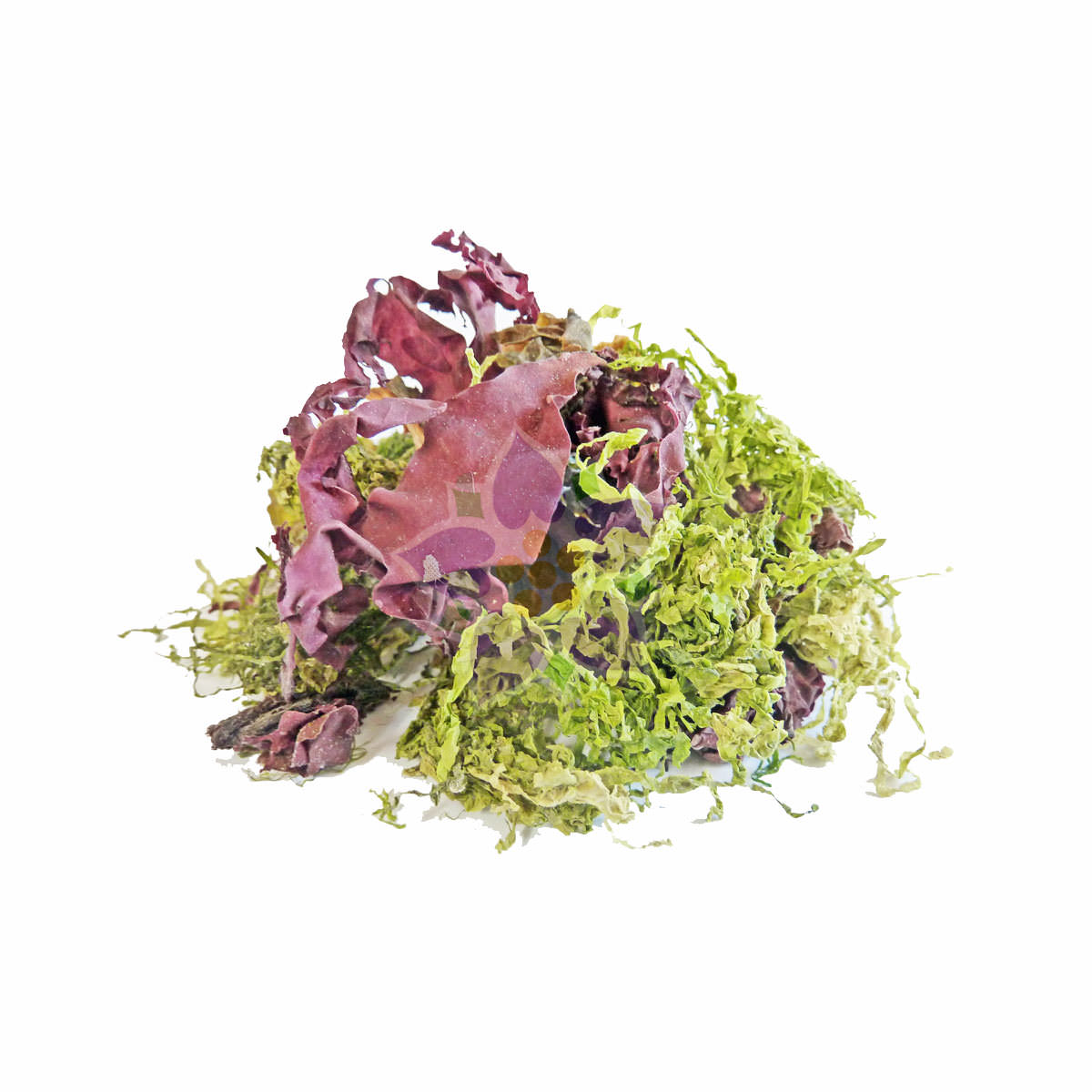
Seaweed for salad Sea vegetables in general Sea vegetables are wild plants of the ocean that grow on coral reefs and rocky coasts, usually in salt water. Sea vegetables are enjoyed in many coastal regions around the world and enrich most dishes with flavour and nutrients. Sea vegetables contain almost all the minerals and trace elements that the sea has to offer! In general, sea vegetables are an excellent source of calcium, iodine and sodium, a very good source of folic acid and magnesium and a good source of iron, potassium, vitamin B2 and B5. They also contain vitamin K and trace elements such as selenium and chromium, which are often lacking in land vegetables due to depleted soils. When consumed regularly and over a long period of time, sea vegetables are said to help regulate metabolism and energy levels, stimulate the immune system, promote regular digestion, purify the blood and support the endocrine glands - especially the thyroid gland. Sea vegetables are an ideal substitute for salt in the diet. Seaweed for salad This highly nutritious seaweed salad makes it easy to incorporate healthy sea vegetables into your daily diet. The seaweed salad contains Atlantic wakame, Atlantic nori, Atlantic kombu, Atlantic dulse and Atlantic spirulina. Why we love seaweed for salad We like them because you can simply add them to salads or vegetable dishes at the end of cooking without the flavour of seaweed being too noticeable, which is no bad thing! Seaweed is extremely low in calories and gluten-free. They are versatile and exceptionally nutritious. SamaraNatura seaweed Our sea vegetables are collected wild in the north-west of Ireland (Donegal) and harvested by hand. With the help of a cold air drying system, the seaweed is dried very gently and in raw food quality. Use It is best to soak the seaweed for one to two hours or overnight. Add to salads or vegetable dishes at the end of the cooking time.
Content: 40 Gramm (CHF 20.75 / 100 Gramm)
Wird über eine gesunde Lebensweise und Ernährung diskutiert, fallen rasch die Worte Rohkost und Vitalkost. Auch bei Entschlackung und Detox-Diäten spielen Rohkost sowie Vitalkost eine wichtige Rolle. Und das hat einen Grund. Denn diese Lebensmittel sind weitestgehend naturbelassen und werden bei der Verarbeitung möglichst wenig erhitzt und beinhalten daher noch praktisch alle der wichtigen Inhaltsstoffe, die dem Körper guttun. Viele Lebensmittel werden heute gekocht, pasteurisiert oder auf andere Weise verarbeitet, bevor sie abgepackt und zum Verkauf angeboten werden. Dabei gehen eine Menge der wesentlichen Vitamine und Enzyme verloren, die eigentlich in den Nahrungsmitteln stecken würden. Bei Rohkost und Vitalkost ist dies anders. Hier wird darauf geachtet, dass diese möglichst schonend verarbeitet werden.
Bio- & Rohkostqualität, wo möglich
Das Ziel von SamaraNatura ist es, möglichst viele Lebensmittel in Bio- & Rohkostqualität anzubieten. Seit Herbst 2015 sind wir zudem als Unternehmen selbst nach Schweizer Recht Bio-zertifziert. Diese Zertifizierung wird jährlich von der Zertifizierungsstelle bio.inspecta in Frick überprüft und sämtliche Produkte sind auf Easy-Cert aufgeführt. Auch unser Logistiker ist Bio-zertifiziert. Leider sind nicht alle Produkte, welche ohne Pestizide angebaut werden auch Bio-zertifiziert. Aufgrund des grossen Einzugsgebietes ist beispielsweise der Sanddorn Ursaft aus Wildsammlung nicht zertifiziert, obwohl er vollkommen unbehandelt ist. Auch Rohkostqualität ist nicht in jedem Fall möglich. In diesem Fall streben wird danach, die bestmögliche Alternative zu bieten, um auch Nahrungsmittel, die etwa aufgrund der Haltbarkeit pasteurisiert werden müssen, so naturnah wie möglich anzubieten und die Verarbeitung so gering und schonend wie möglich zu halten.
Vitalkost einfach in den Alltag integrieren
Ein wesentlicher Vorteil von Vitalkost besteht darin, dass diese Lebensmittel oft direkt in der Form verzehrt werden können, in der sie angeboten werden und in den Handel kommen. Vitale Lebensmittel in Rohkostqualität, die sich sehr einfach in jeden Speiseplan einfügen lassen und sich auch als schmackhafte Snacks für zwischendurch eignen sind beispielsweise:
- Goji-Beeren aus biologischem Anbau
- Cashewkerne
- Nussmuse
- Weisse Maulbeeren in Bio-Qualität
- Kokos-Chips
- Hunza-Aprikosen (Wildaprikosen mit Stein) aus biologischem Anbau
- Kokoswasser als kühle Erfrischung
- Granatapfelkerne
Die Lebensmittel sind praktisch abgepackt, sodass sie sich leicht mitnehmen und auch unterwegs einfach verzehren lassen. Immer genau dann, wenn ein neuer Energieschub nötig ist oder auch einfach nur, um den Körper auch im Alltag mit all den Stoffen zu versorgen, die er benötigt. Denn viele Menschen tun sich schwer damit, in unserer schnelllebigen Zeit gesund zu essen und einen Speiseplan zu verfolgen, der dem Körper all die Nährstoffe liefert, die nötig wären.
Warum ist Superfood so gesund?
Bei vielen Nahrungsmitteln, die als Rohkost oder Vitalkost verfügbar sind, handelt es sich um so genannte Superfoods. Als solche werden Früchte, Nüsse, Algen, Wurzeln und andere Produkte der Natur bezeichnet, die aufgrund ihrer Inhaltsstoffe als wahre Wunder-Nahrung bezeichnet werden können. Vielfach werden und wurden diese in der traditionellen Medizin verschiedener Regionen und Kulturen als Heilpflanzen angesehen. Ihre grosse Stärke liegt darin, dass sie eine überdurchschnittlich hohe Menge an Vitaminen, Enzymen, Mineralstoffen und anderen Elementen enthalten, die dazu beitragen, uns vital und gesund zu fühlen und auch zu sein.
Werden diese in Form von Rohkost verzehrt, also ohne sie vorher beim Konservieren oder Trocknen über 42 Grad Celsius zu erhitzen, zu kochen oder ähnlich zu verarbeiten, ist der Effekt natürlich umso grösser, da die Inhaltsstoffe auch wirklich noch vorhanden sind. Sämtliche Nuss-Muse unseres Berner Lieferanten werden im schonenden Steinmahlverfahren während 2 bis 3 Tagen produziert. Dadurch bleiben auch die natürlichen und leckeren Aromen optimal erhalten.
Vitalkost als Pulver
Nicht immer muss Vitalkost als Rohkost verzehrt werden. Die grosse Auswahl an Produkten ermöglicht es, die wertvollen Zutaten auch beim Kochen einfach und praktisch zu verwenden. Ein Klassiker darunter ist selbstverständlich das Kurkuma-Pulver. Das Gewürz, das in der Ayurvedischen Ernährung vielseitige Anwendung findet, sieht auf den ersten Blick dem Curry sehr ähnlich und wird auch gerne zu Curry-Rezepten verwendet. Darüber hinaus wird es in Suppen, Aufläufen und Reisspeisen ebenso gerne verwendet wie auch in Smoothies. Ein in unseren Breitengraden noch weniger bekanntes Nahrungs- und Würzmittel in Pulverform ist hingegen Mesquite. DasMesquite-Pulver findet in der traditionellen Küche nord- und südamerikanischer Ureinwohner-Völker Anwendung und eignet sich perfekt als gesundes Süssungsmittel. Mit seinem relativ hohen Proteingehalt sowie vielen Mineralstoffen wie Eisen, Kalzium, Magnesium, Eisen und Zink versorgt es den Körper mit wichtigen Nährstoffen und fasziniert gleichzeitig durch einen besonderen, Caramel ähnlichen Geschmack.
Öle zum Verfeinern und Abschmecken
Perfekt zur Zubereitung von Rohkost wie etwa für Salate eignen sich wirklich kaltgepresste Öle. Die Öle im Shop von SamaraNatura sind alle kalt gepresst und aus biologischen Samen. Durch die schonende Gewinnung bleiben die natürlichen Aromen, Vitamine und die Fettsäuren optimal erhalten. Einige unserer Öle werden darüber hinaus aus Schweizer Ölsamen hergestellt wie etwa das kaltgepresste Schweizer Bio-Hanföl oder das Leindotteröl. Kaltgepresste Öle sind hitzeempfindlich. Bei starkem Erhitzen, z.B. Braten, können giftige Verbindungen entstehen. Eine der wenigen Ausnahmen ist das Kokosöl, welches vorwiegend aus gesättigten Fettsäuren besteht sowie das High-Oleic Bio Sonnenblumenöl.
Wertvolle Rohkost aus dem Meer
Nicht nur der biologische Anbau an Land bietet wertvolle Superfoods und energie- wie auch vitaminreiche Rohkost. Eine Vielzahl an nähr- und mineralstoffreichen Nahrungsmitteln stammt auch aus dem Meer.
Dazu gehören:
- Meeresalgen-Würz-Mix, sehr praktisch, da die kleingehackten Algen sich einfach in fast alle Gerichte streuen lassen und den Gerichten KEINEN bzw. einen kaum bemerkbaren Algengeschmack geben
- Meeres-Algen für Salat
- Fingertang oder Atlantischer Kombu
- Riementang
- Dulse oder Lappentang
- Kelp-Nudeln als Alternative zu Pasta: einfach einweichen und mit einer Pasta-Sauce mischen
Einige dieser Meeresgemüse enthalten hohe Mengen an Eisen, Folsäure, Magnesium, Selen, Chrom und vielen anderen Elementen, die wir im normalen Alltag oft nur zu selten und in zu geringen Mengen zu uns nehmen. Darüber hinaus geben Algen und Tang verschiedenen Rezepten eine ganz besondere Geschmacksnote, die vor allem bei Freunden mediterraner und asiatischer Küche sehr gut ankommt. Damit sorgt auch diese Rohkost sowie Vitalkost für willkommene kulinarische Abwechslung. Wir beziehen den grössten Teil unserer Meeresgemüse aus dem wilden, wenig berührten Nordwesten von Irlands Atlantikküste.
Mikroalgen aus Aquakultur
Neben den oben beschriebenen Meeresgemüse (Makroalgen) bieten sich Mikroalgen als natürliche Nahrungsergänzung wunderbar an. Sie haben mit rund 60% Anteil nicht nur den weitaus höchsten Gehalt an Proteinen aller natürlicher Lebensmittel, sondern sind auch reich an anderen wichtigen Nährstoffen wie Mineralien und Chlorophyll. Mikroalgen für die Ernährung werden in Aquakultur angebaut. SamaraNatura bietet u.a. folgende Mikroalgen für die menschliche Ernährung an:
- Spirulina mit seinen leicht verdaulichen Proteinen, in Pulver- oder Tablettenform
- Chlorella, in Tablettenform
- Marines Phytoplankton, in ionischer Spurenelement-Lösung