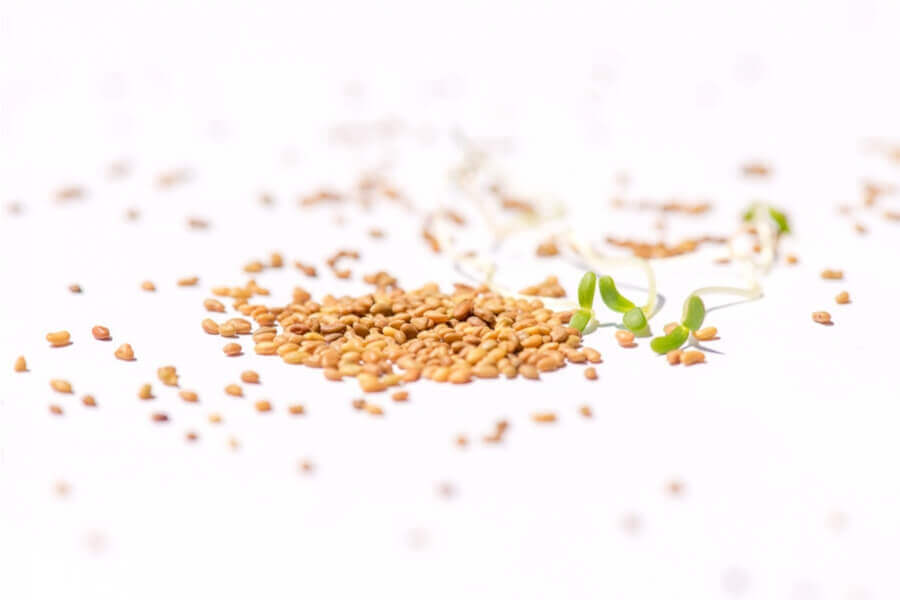
Alfalfa sprouts - superfood from the jar Our high-quality alfalfa sprouts (also known as alfalfa seeds) are the perfect addition to your healthy diet. The name alfalfa comes from the Arabic and means "father of all food". The small, tender sprouts are not only delicious, but also rich in valuable nutrients. Among other things, they contain a lot of protein (with all the essential amino acids), vitamin C and oestrogens. Why eat alfalfa sprouts? Rich in essential nutrients: Alfalfa sprouts are real nutrient packets. They contain a wealth of vitamins, including vitamin A, B-complex, C, D, E and K. They are also rich in minerals such as calcium, iron, magnesium, zinc and potassium. These valuable nutrients can contribute to a strengthened immune defence, a healthy bone structure and optimal metabolic function. Enzymes and antioxidants for your health: The special thing about alfalfa sprouts is their high content of enzymes and antioxidants. These natural compounds can aid digestion, promote detoxification of the body and can actively combat free radicals, which can be responsible for premature ageing processes. Instructions for growing alfalfa sprouts Soak for 10 hours Rinse in the morning and evening Leave to germinate for 5 to 6 days How to use alfalfa sprouts? Alfalfa sprouts are extremely versatile and go perfectly with a variety of dishes. You can simply enjoy them as a fresh ingredient in salads, sandwiches, wraps or smoothies. They are also a delicious addition to soups or stews. Two handfuls of alfalfa sprouts (equivalent to approx. 100g) provide all the essential nutrients you need. Also ideal during pregnancy and breastfeeding to support milk production. Country of origin of the sprouts Italy
Content: 250 Gramm (CHF 3.61 / 100 Gramm)
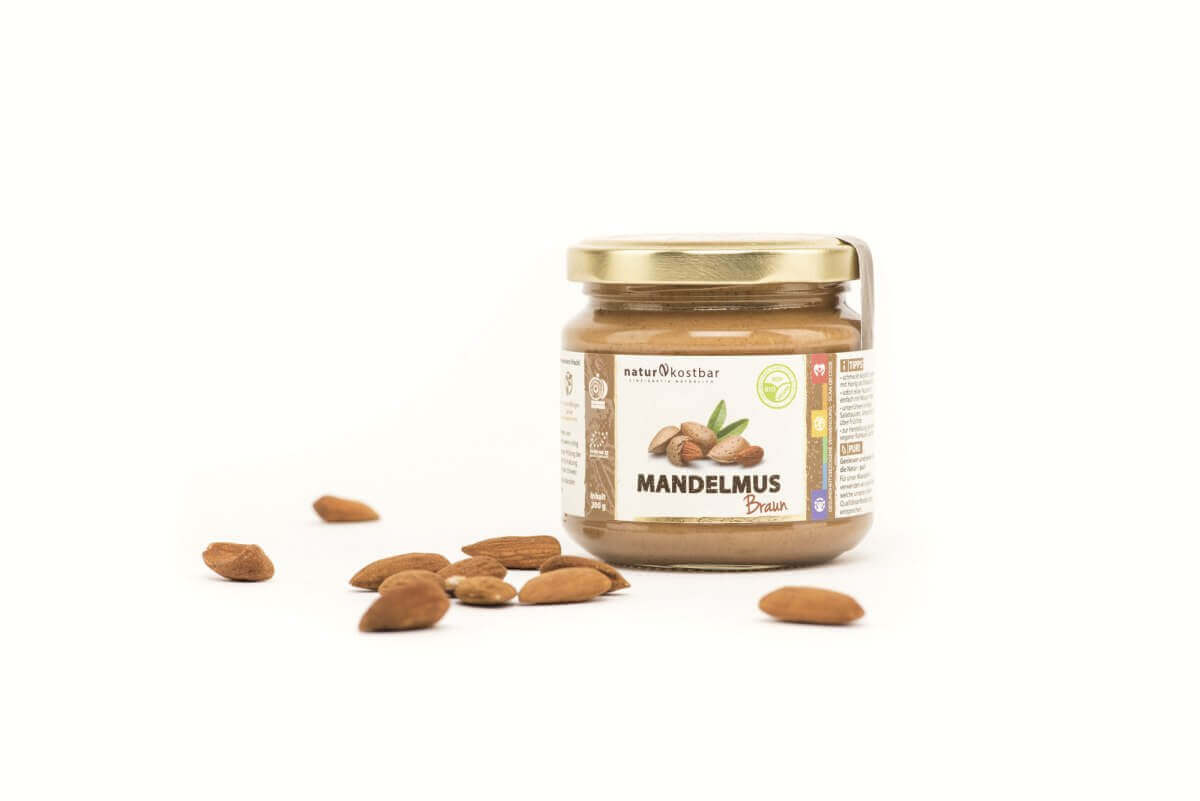
We only stock Naturkostbar's brown almond butter in a small 200g jar as standard. The large 550g jar for CHF 27.50 can be pre-ordered at any time -> info@samaranatura.ch or 044 586 27 27. Brown organic almond butter Naturkostbar carefully produces organic almond butter (also known as almond butter or almond puree) in raw food quality. We usually have 2 sizes in our range: 200g (standard version) and 550g. To change the size, please adjust on the right-hand side under "Weight variants". The unpeeled organic almond kernels are ground to a smooth and creamy paste in a gentle stone grinding process at 38 degrees Celsius for 2 to 3 days. This ensures that the nutrients and delicious flavour are optimally preserved. Why we love almond paste Almonds are not only super tasty, they also contain lots of polyunsaturated fatty acids, protein, minerals (magnesium, calcium and copper), vitamins E, B2 and B3 as well as thiamine and folic acid. Use Almond butter is suitable for refining vegetable dishes, salad dressings, yoghurts, desserts, ice cream, smoothies/shakes and as a delicious spread. Our tip: With 1-2 tablespoons of almond butter, 3 litres of water, a few dates and a pinch of cinnamon, you can mix a delicious and nutritious almond milk in no time at all. Alternatively, you can sweeten it with agave syrup, yacon syrup or apple syrup. You can also experience pure enjoyment by simply savouring a spoonful of almond butter slowly. You can find a variety of possible uses in our recipe collection. Origin of brown almond butter The brown almond butter is handmade by Naturkostbar in Uetendorf near Thun. The organic almonds (raw food quality) come from Spain. Ingredients 100% unpeeled almond kernels, from certified organic farming. Nutritional information Brown almond paste Energy / nutrient per 100gg/mg/μg%11 reference quantity/daily dose for an average adult (8400kJ/2000kcal) Energy 2508kJ (607kcal) 30% fat 53g 76% of which monounsaturated fatty acids 36g 240% of which polyunsaturated fatty acids 11.9g - of which saturated fatty acids 5.08g 25% Carbohydrates 3.9g 2% thereof sugar 3.5g 4% Protein 22.3g 45% salt 0.03g 1% Dietary fibre 12.6g 25% Vitamin A - - Vitamin C - - Vitamin D - - Vitamin E 12mg 100% Vitamin K - - B-carotene (provitamin A) - - Vitamin B1 0.3mg 27% Vitamin B2 0.4mg 29% Vitamin B3 4.2mg 26% Vitamin B6 0.1mg 7% Vitamin B12 - - magnesium 240mg 64% copper - - manganese - - selenium - - iodine 2µg 1% Folic acid/folacin 48µg 24% chloride 40mg 5% potassium 760mg 38% Biotin 10µg 20% Pantothenic acid 0.5mg 8% calcium 270mg 34% phosphorus 510mg 73% iron 4.8mg 34% Zinc 6mg 60% Molybdenum - - fluoride - - chromium - -
Content: 200 Gramm (CHF 5.66 / 100 Gramm)
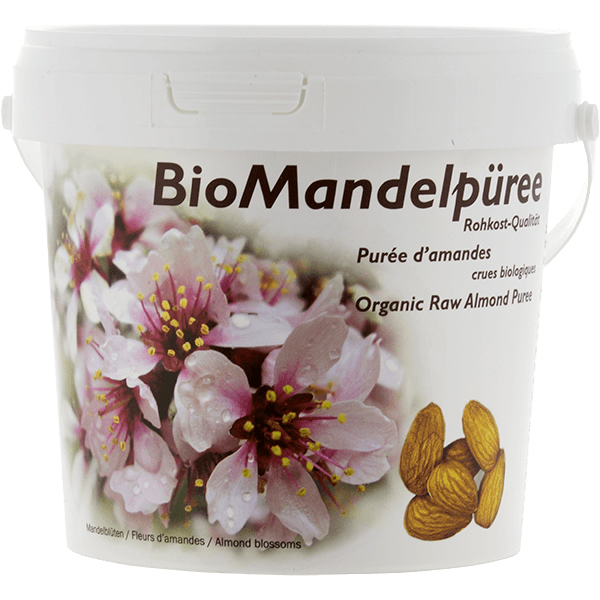
Organic almond puree (almond paste) from Soyana in raw food quality Urs Hochstrasser, Swiss raw food pioneer, co-developed this white organic almond puree and has been using it in his raw food gourmet cuisine for over 20 years. Almond puree is sometimes also known as almond butter or almond butter. Properties of Soyana organic almond puree White almond purees are usually made from blanched almonds. The brown skin of the almond can be easily removed by briefly cooking it in boiling water. Soyana almond puree is one of the few in raw food quality and is never heated above 40° during production. Only selected organic Sicilian almonds are used for production. You can find out why this raw food almond puree is a blessing for us all in the YouTube video from Welt der Gesundheit with Urs Hochstrasser from 21.07.2022. Why eat almond puree? Almond puree is very nutritious, has a delicious almond flavour and a slightly sweet note. Due to its creamy consistency, it is not only suitable for smoothies & co. but can also be enjoyed as a snack. Almond puree contains lecithin (even more than eggs) and enables the emulsification (mixing) of fats and water. This is very important for the airy consistency of smoothies and sauces. Recommendations for use The almond puree is suitable in vegan cuisine instead of Dairy products for milkshakes, smoothies and soups Eggs for sauces, creams and desserts of all kinds (e.g. with carob powder). as well as for spreads. Tip 1: Mix3 tablespoons of almond puree with 5 litres of water to make a nutritious almond milk in no time at all. If you like it sweet, apple syrup, agave syrup and yacon syrup as well as carob powder are suitable for sweetening. Tip 2: Vegan royal sauce according to Urs Hochastrasser. Place 2-3 tablespoons of almond puree with the juice of a lemon and an orange and 1 litre of water in an open blender. Then, with the blender running, slowly pour in 2.5dl apricot kernel oil and 1dl water in between. You can experiment with the quantities of oil and water. The more oil, the firmer the consistency. Finally, season to taste. The royal sauce can be stored in the fridge for 1 week. Good best-before date We regularly order new batches from Soyana, which is why the best-before date of the almond puree is usually between 9 and 12 months. It is therefore worth ordering at least 3 pieces, as we then offer a 5% quantity discount and free postage (from an order value of CHF 100). Nutritional values of organic almond puree per 100g Energy 2582 kJ / 625 kcalTotal fat 55.6g, of which - of which saturated fatty acids 4.2g - of which monounsaturated fatty acids 39g - of which polyunsaturated fatty acids 10.8g - of which cholesterol 0gCarbohydrates 5.2g, - of which sugar 4.9gDietary fibre 10.4gProtein 20.8gWater 4.5g Calcium 249mg (31% *of the recommended daily intake)Iron 3.96mg (28% *)Sodium 16.8mgPhosphorus 498mg (71% *)Magnesium 198mg (53% *)Potassium 813mg (40% *) VitaminsA 18.1µgE 24.7mg (205% *)B1 0.21mg (19% *)B2 0.53mg (37% *)Niacin (PP or B3) 3.1mg (19% *) Nutritional information comes from the Soyana homepage. Organic certificates Link Easy-Cert organic company information
Content: 1000 Gramm (CHF 3.79 / 100 Gramm)
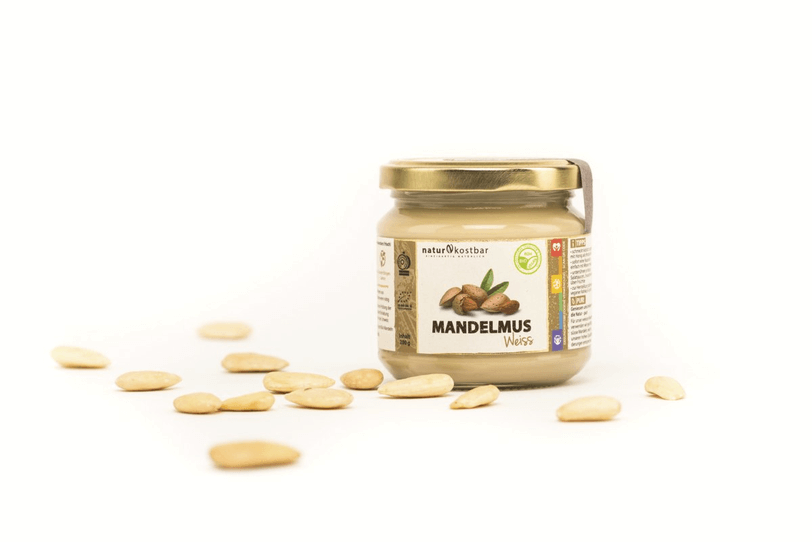
We only stock Naturkostbar's white almond butter in a small 200g jar as standard. The large jar of 550g for CHF 29.50 or 1kg for CHF 49.90 can be pre-ordered at any time -> info@samaranatura.ch or 044 586 27 27. Organic white almond paste The aromatic almonds for this creamy almond paste come from the fertile region around Valencia in Spain. Every February, the blossoming almond trees enchant the region with their white and pink colours. When the almonds are ripe in autumn, they are dried in the sun with their hard outer shells. They are then cracked and peeled. Naturkostbar process the natural almond kernels in their factory in Uetendorf. A traditional stone mill transforms the almonds particularly gently and slowly into a creamy puree. Grinding with granite stone is a very gentle process: the flavours are released and the puree develops a unique, delicate consistency. Why is almond paste healthy? Almonds are not only delicious, they also contain lots of polyunsaturated fatty acids, protein, minerals (magnesium, calcium and potassium), vitamins E, B2 and B3 as well as thiamine and folic acid. Use Almond butter is suitable for refining vegetable dishes, salad dressings, yoghurts, desserts, ice cream, smoothies/shakes and as a delicious spread. Our tip: With 1-2 tablespoons of almond butter, 3 litres of water, a few dates and a pinch of cinnamon, you can mix a delicious and nutritious almond milk in no time at all. Alternatively, you can sweeten it with agave syrup, yacon syrup or apple syrup. You can also experience pure pleasure by simply savouring a spoonful of almond butter slowly. You can find a variety of possible uses in our recipe collection. Origin of organic almond butter Handmade in Uetendorf near Thun, organic almonds from Spain. Ingredients 100% peeled almond kernels, from certified organic farming. Nutritional information White almond butter White almond paste is a high-quality source of vitamins and nutrients. It is rich in vitamins E, B2 and B3, thiamine and folic acid. Folic acid contributes to the growth of maternal tissue during pregnancy. In addition, almond butter is rich in calcium, phosphorus, iron and magnesium, which contribute to normal energy metabolism. Magnesium supports our muscle cells and is therefore important for athletes. Potassium supports our nervous system and zinc contributes to the normal functioning of our immune system. Almonds also have an alkalising effect, which is why almond butter is ideal for an alkaline or low-acid diet. Nutritional values Øper 100g/100ml%11 Reference quantity for an average adult (8400kJ/2000kcal) Energy 2695kJ (644kcal) 32% fat 58g 83% of which saturated fatty acids 10.6g 53% of which monounsaturated fatty acids 42.4g 283% of which polyunsaturated fatty acids 11.2g - Carbohydrates 2.5g 1% thereof sugar 2.2g 2% Dietary fibre 12.1g 24% Protein 20.5g 41% salt 0.01g 0% B-carotene (provitamin A) - - Vitamin A - - Vitamin B1 0.3mg 27% Vitamin B2 0.4mg 29% Vitamin B3 4.2mg 26% Vitamin B6 0.1mg 7% Vitamin B12 - - Vitamin C - - Vitamin D - - Vitamin E 12mg 100% Vitamin K - - Biotin 10µg 20% calcium 270mg 34% chloride 40mg 5% chromium - - iron 4.8mg 34% fluoride - - Folic acid/folacin 48µg 24% iodine 2µg 1% Potassium 760mg 38% copper - - magnesium 240mg 64% manganese - - molybdenum - - Pantothenic acid 0.5mg 8% phosphorus 510mg 73% selenium - - Zinc 6mg 60%
Content: 200 Gramm (CHF 6.45 / 100 Gramm)
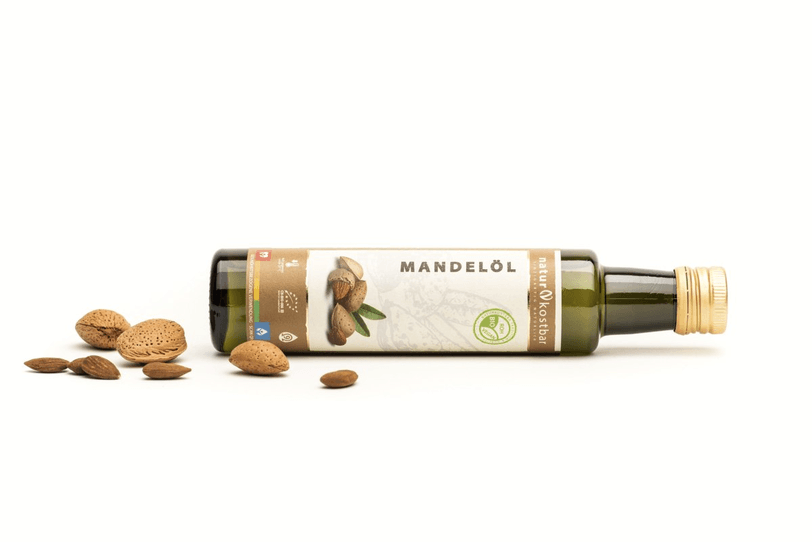
Cold-pressed organic almond oil from Naturkostbar This chilled almond oil has a pleasantly mild flavour and is ideal as an ingredient in the kitchen as well as for skin care. Origin and production The carefully harvested and dried organic almonds come from the region around Alicante and Granada in the south of Spain. The almonds are gently cold-pressed in the Naturkostbar factory in Uetendorf. The water-cooled oil press ensures that the temperature remains below 37°C. This preserves the valuable ingredients in the oil and makes it a special treat. This almond oil is 100% pure and contains no other oils. What is the best way to use almond oil? This almond oil from Naturkostbar has an intensely nutty flavour and is also pleasantly mild. With its gentle flavour, it rounds off salad dressings, dips, desserts and muesli wonderfully. The low-acid almond oil is also known as a good skin and hair care product. It is particularly suitable for oiling baby and children's skin and for abdominal care for pregnant women. Note: When used in the kitchen, it is advisable to store it in the refrigerator. Why not heat almond oil? Cold-pressed oils (except coconut oil) are sensitive to heat and are therefore mainly suitable for use in cold kitchens. Toxic compounds can form when heated to high temperatures, e.g. frying. Additional information Ingredients: 100% organic almond oil Organic certificate: CH-BIO-086 Allergens: Almonds Nutritional values almond oil per 100g energy 3400kJ (830kcal) fat 92g of which monounsaturated fatty acids 74g of which polyunsaturated fatty acids 15g of which saturated fatty acids 3g Carbohydrates - of which sugar - protein - salt - Vitamin E 40mg Vitamin K 7µg
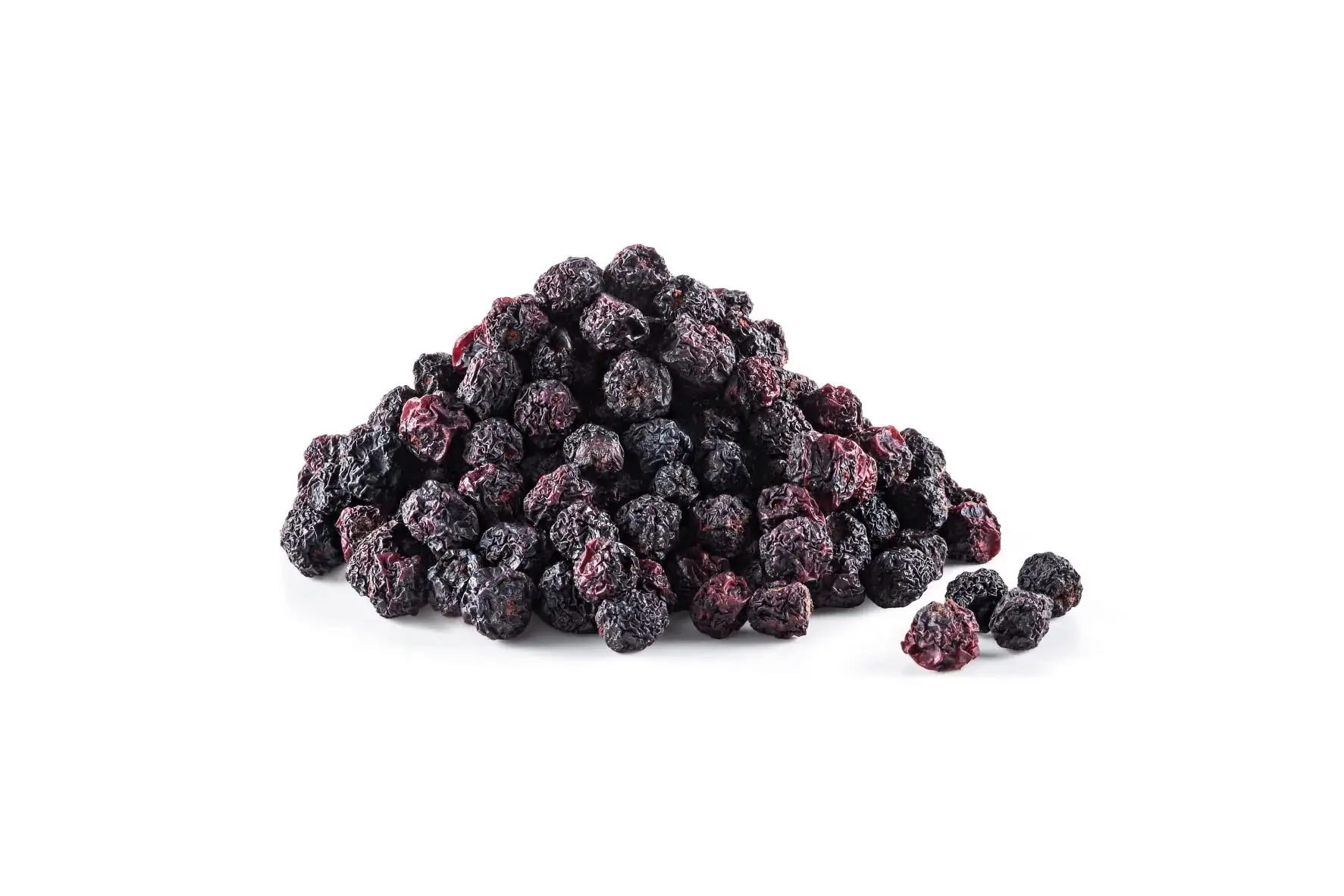
Swiss organic dried aronia berries The largest and most beautiful aronia berries (also known as chokeberries) are used for drying. Smaller berries are used for juice production. Only fully ripened, healthy and cleanly washed organic aronia berries are processed. Our chokeberries are 100% natural, carefully processed and dried at temperatures below 42°C. They contain no preservatives, colourings, sweeteners or other additives. The producer is very experienced and checks the aronia berries regularly. The aronia berries have a dark purple, almost black colour. They are fruity-sour, aromatic and delicious. Grown, dried and packaged in Switzerland100% natural quality - organic, raw, unoiled, unsweetened and unsulphurised Rich and complex natural flavour Low in calories, rich in fibre, vitamin C and manganese Unique mouth-drying effect A great addition to a health-conscious diet Aronia berries (also known as black chokeberries) are small dark fruits that grow on shrubs of the multi-stemmed Rosaceae family. They are originally native to North America, but are now also cultivated in Europe. In recent years, chokeberries have become popular as a superfood, thanks to a number of positive effects on health. Its second name "chokeberries" is derived from its strong mouth-drying effect, which can be surprising if you are not familiar with it. We source our berries from a Swiss chokeberry pioneer who guarantees the best quality. Our raw, gently dried and unsulphurised aronia berries are also great in terms of nutritional value: they are a fantastic source of fibre, vitamin C and manganese. As a retailer, we are not allowed to make any claims or health promises, but there are many exciting articles on the Internet about aronia berries and their effects. Uses Aronia berries can be used as a snack between meals or as an ingredient in muesli. Warnings May contain traces of perennials. May have a laxative effect if consumed in excess due to the tannins and bitter substances it contains. Nutritional values of dried aronia berries per 100g Energy value 1374 kJ / 324 kcal Fat 1.3g - of which saturated fatty acids 0.85g Carbohydrates 73g - of which sugar 27gDietary fibre 20g Protein 5g Salt 0.02gVitamin E 6.2mg (52%)*Potassium 784mg (39%)* *according to nutrient reference values
Content: 250 Gramm (CHF 6.80 / 100 Gramm)
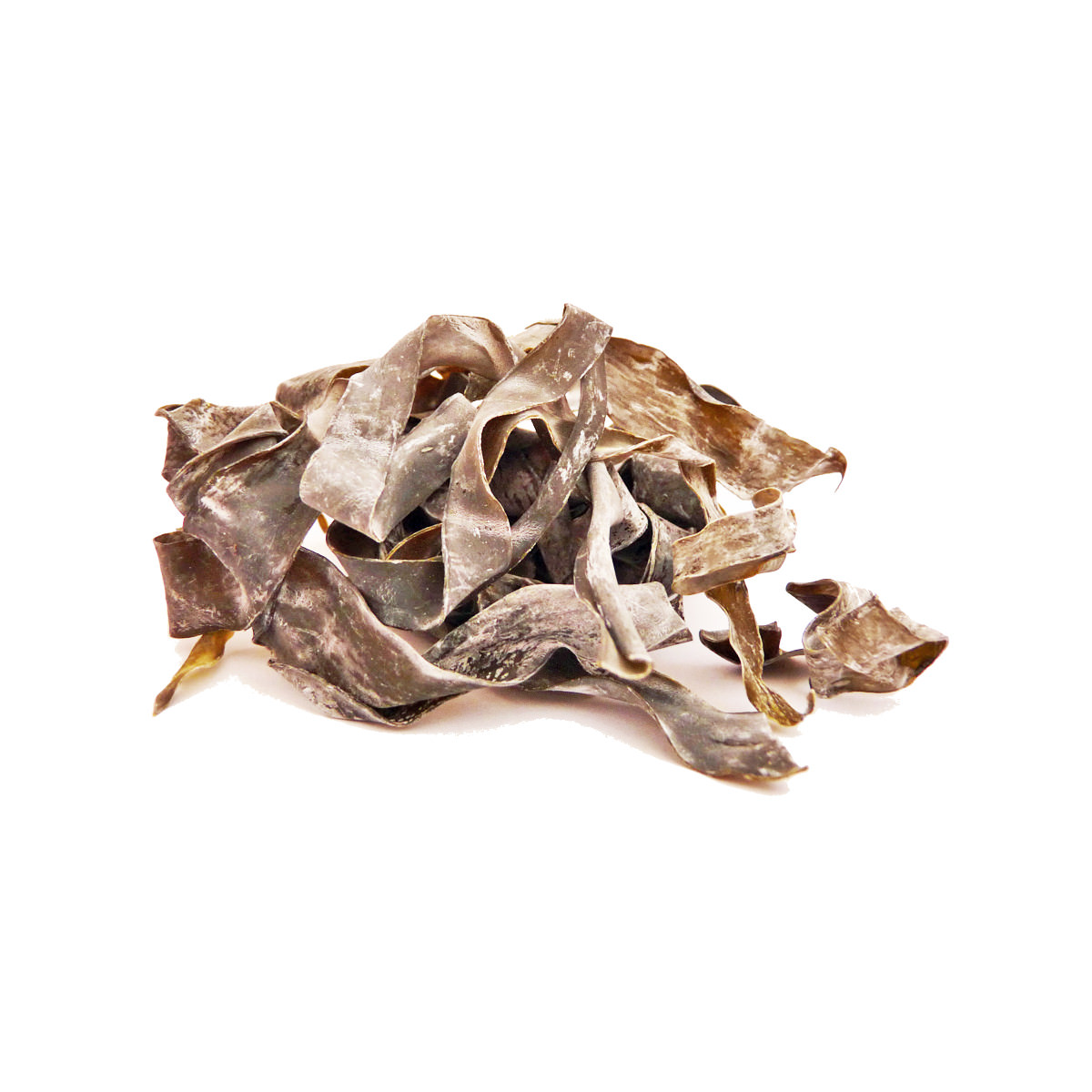
Atlantic kombu (finger kelp) Caution: Due to its high natural iodine content, Atlantic kumbo is not suitable for consumption. Consmetic applications such as face masks are possible. Kombu or finger kelp (Laminaria digitata) belongs to the genus of large brown algae (kelp) and grows in dense stands in shallow waters in calm, sheltered bays. Atlantic kombu is a thinner and more delicate version of Japanese kombu and can be used in exactly the same way - boiled in soups, fried until crispy or steamed and marinated. Kombu is ideal for all bouillons/stocks, where it improves the flavour and nutrient content. In particular, it is used for cooking beans, as it makes the beans more digestible and softer and reduces the cooking time. Kombu is particularly rich in calcium, potassium and magnesium and is also rich in B vitamins. It also contains mannitol, a sugar alcohol, which gives it a slightly sweet flavour and plenty of glutamic acid, an essential amino acid. Why we love kombu Kombu is a wonderful addition to all cooked preparations, especially beans or pulses and soups, by adding a few strips. Bean dishes in particular cook more quickly and are easier to digest. SamaraNatura Kombu Our sea vegetables are collected wild in the north-west of Ireland (Donegal) and harvested by hand. With the help of a cold air drying system, the seaweed is dried very gently and in raw food quality. Usage To enjoy kombu straight from the bag, tear it into strips. A salty, chewy snack that becomes sweeter in flavour over time. For cooking in general, it is best to soak kombu in water for 10 minutes and then simmer it with the dish for 40 minutes. As an alternative to conventional bouillons: one 8 cm long piece per litre of liquid is simmered for at least 10 minutes. Optionally, remove and cut up and add again later or simmer for longer for more flavour. Salads: Soak kombu in water for an hour (or longer), then marinate (for 1-24 hours) or fry in oil. Chop into bite-sized pieces and mix into the salad. The soaking water is nutritious and should also be used, e.g. as a dressing. Beans: Natural glutamates in kombu enhance the flavour and soften the beans. Boil a 5 cm piece of kombu with the beans for at least 10 minutes, for a thick and rich bean broth until the beans are soft. No need to add salt. Serve as a snack or garnish: Tear or chop the kelp/kombu into bite-sized pieces. Roast at 150°C for 3-5 minutes or fry in a frying pan until crispy. Sprinkle these kelp chips over salads, cereals and pasta or enjoy them straight away as a crispy snack. Sea vegetables in general Sea vegetables are wild plants of the ocean that grow on coral reefs and rocky coasts, usually in salt water. Sea vegetables are enjoyed in many coastal regions around the world and enrich most dishes with flavour and nutrients. Sea vegetables contain almost all the minerals and trace elements that the sea has to offer! In general, sea vegetables are an excellent source of calcium, iodine and sodium, a very good source of folic acid and magnesium and a good source of iron, potassium, vitamin B2 and B5. They also contain vitamin K and trace elements such as selenium and chromium, which are often lacking in land vegetables due to depleted soils. When consumed regularly and over a long period of time, sea vegetables are said to help regulate metabolism and energy levels, stimulate the immune system, promote regular digestion, purify the blood and support the endocrine glands - especially the thyroid gland. Sea vegetables are an ideal substitute for salt in the diet.
Content: 40 Gramm (CHF 20.75 / 100 Gramm)
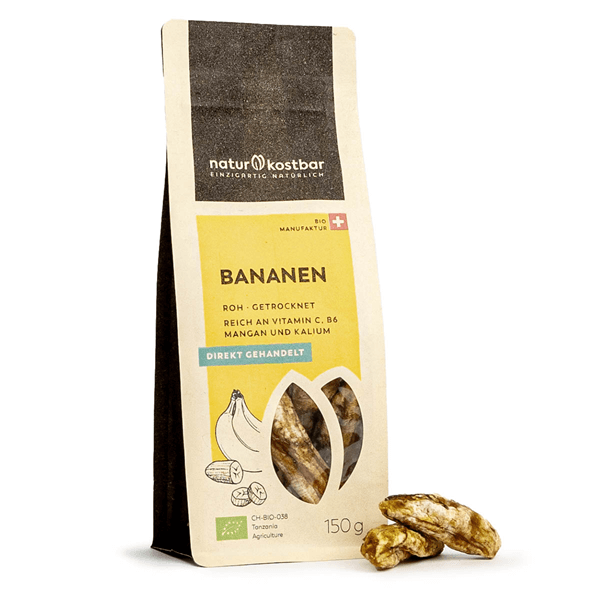
Baby bananas dried organic Update: As PlantLife has gone bankrupt, we now have 150g bags from Naturkostbar in our range for CHF 13.50. Bananas are popular worldwide for their sweet flavour, nutritional content and friendly appearance. Seriously: Google a banana and tell us it's not funny. It's the only fruit shaped like a smile! Of course, one downside to bananas is that they can easily get squished and eventually turn brown or mushy. That's why we dry our baby bananas in the sun, so that we can preserve the wonderful flavour and nutrients in a natural way. Our fruity, flavoursome and sweet baby bananas are grown and dried using natural methods for the best natural quality: we source them from Sri Lanka. By growing them organically, local farmers make an important daily contribution to an environmentally friendly approach to nature. The baby bananas are carefully picked by hand and gently dried. They are processed entirely by hand and under high hygienic conditions. This ensures that the dried organic bananas are of outstanding quality. In their dried form, they taste different to fresh bananas - aromatic, intense - but pleasantly soft. Bananas are an excellent source of potassium, which helps against muscle cramps and can alleviate nervous stress. They are also full of natural energy and are very easy to digest, making them a perfect snack for an active lifestyle. They are also rich in vitamin B6, which is important for the functioning of the nervous system. Warnings May contain traces of nuts. Nutritional values of dried baby bananas per 100g Energy value 1319 kJ / 314 kcal Fat 1.0g - of which saturated fatty acids 0.2g Carbohydrates 69g - of which sugar 37gDietary fibre 8.5g Protein 3.3g Salt 0.01gVitamin B6 0.95mg (86%)*Potassium 1430mg (72%)*Magnesium 137mg (37%)* *according to nutrient reference values
Content: 150 Gramm (CHF 8.55 / 100 Gramm)
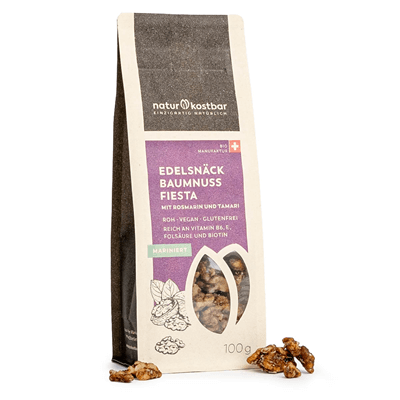
The sprouted marinated tree nuts are now called Edelsnäck Tree Nut Fiesta Naturkostbar sprouts the wild-collected Swiss tree nuts and flavours them after gentle drying (below 40°C) with a delicious rosemary-tamari marinade - yummy! Origin and processing The walnuts come from old, majestic walnut trees in the Swiss Seeland. Local farmers collect the wild-grown nuts by hand. A Swiss nutcracker carefully removes the hard shells. Naturkostbar allows the tree nuts to germinate so that they can develop their full nutritional potential. The second important processing step is marinating. The marinade contains Nama organic tamari soya sauce, rosemary, coconut blossom sugar, salt and garlic. Natural flavour The result is crunchy, flavoursome and sweet tree nuts. They have a balanced nutty flavour and a gentle rosemary aroma. ✓ Swiss wild harvests ✓ Organic, vegan and raw food quality ✓ Sprouted ✓ Gluten-free Use of marinated tree nuts The delicious rosemary tree nuts are perfect for any aperitif or as a topping for salads and as brain food for the office. Ingredients Tree nuts**, tamari*, coconut blossom sugar*, tree nut oil, garlic powder*, rock salt. *from organic farming, **germinated Nutritional information for marinated tree nuts Energy / nutrient per 100gg/mg/μg%*1*1 Reference amount/daily intake for an average adult (8400kJ/2000kcal) Energy 2792kJ (677kcal) 33% fat 62.9g 90% of which saturated fatty acids 5.63g 28% Carbohydrates 11.9g 5% thereof sugar 5.2g 6% protein 14.3g 29% salt 1.25g 21%
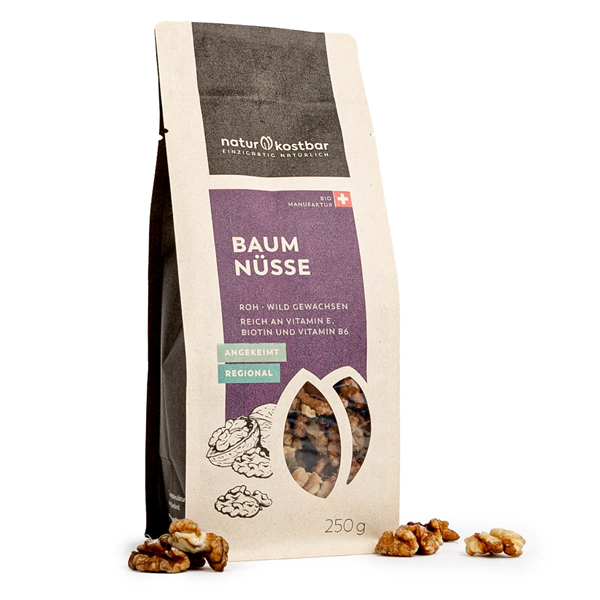
Sprouted tree nuts - better digestible The Swiss organic tree nuts are soaked and sprouted in the Naturkostbar manufactory for several hours. They are then dried for 24 hours at a maximum temperature of 42° C. Germination neutralises the phytic acid present in the tree nuts and significantly increases the nutrient density. In addition, the tree nuts can be digested better, which also improves nutrient absorption. Use of sprouted tree nuts Like normal tree nuts, sprouted tree nuts are suitable as a snack on their own or mixed with dried fruit and cocoa beans to make a delicious trail mix. Additional information Contents: Bag with 250g. Caution: May contain pieces of shell. Origin and production: Organic tree nuts from Switzerland, sprouted in the Naturkostbar Manufaktur in Uetendorf near Thun. Organic certificate: CH-BIO-086 Nutritional values of sprouted tree nuts Nutritional values Øper 100g/100ml%11 Reference quantity for an average adult (8400kJ/2000kcal) Energy 3060kJ (742kcal) 36% fat 70.8g 101% of which saturated fatty acids 6.3g 32% of which monounsaturated fatty acids 11.9g 79% of which polyunsaturated fatty acids 49.4g - Carbohydrates 7g 3% thereof sugar 2g 2% Dietary fibre 6.7g 13% Protein 15.9g 32% salt - - B-carotene (provitamin A) - - Vitamin A - - Vitamin B1 0.36mg 33% Vitamin B2 0.1mg 7% Vitamin B3 1.3mg 8% Vitamin B6 0.4mg 29% Vitamin B12 - - Vitamin C - - Vitamin D - - Vitamin E 30mg 250% Vitamin K - - Biotin 20µg 40% calcium 78mg 10% chloride 23mg 3% chromium - - iron 3mg 21% fluoride - - Folic acid/folacin 140µg 70% iodine 2µg 1% Potassium 420mg 21% copper - - magnesium 140mg 37% manganese - - molybdenum - - Pantothenic acid 0.8mg 13% phosphorus 360mg 51% selenium - - Zinc 4mg 40%
Content: 250 Gramm (CHF 7.56 / 100 Gramm)
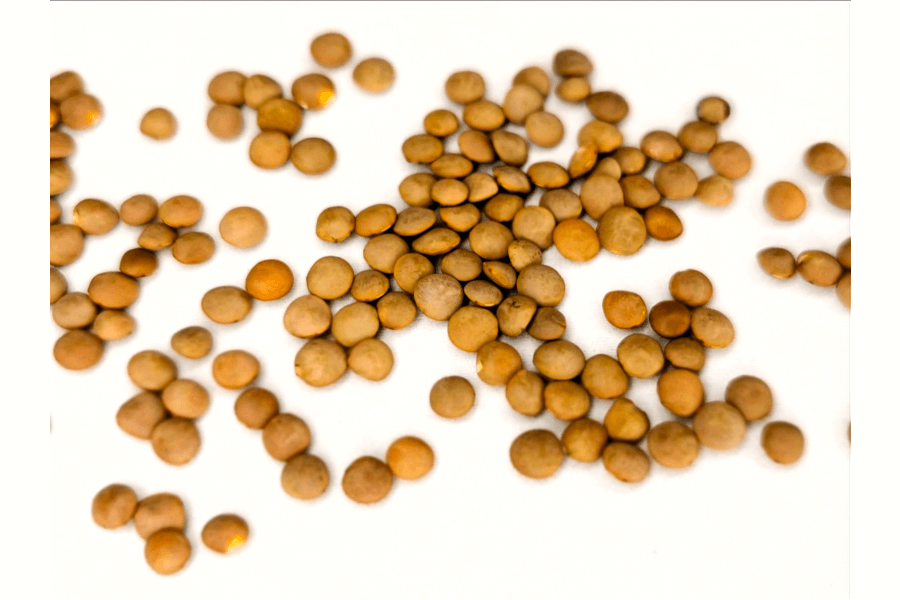
Mountain lentil sprouts sprouting seed Mountain lentil sprouts are very easy to grow in 2 to 3 days and can be sprouted and eaten raw. They have the highest concentration of vegetable protein of all pulses. They have a mild, aromatic flavour. Why sprouts are healthy Mountain lentils have a high content of protein, fibre, complex carbohydrates and unsaturated fatty acids. They also contain magnesium, calcium, iron, zinc, copper, selenium and minerals. They therefore have an invigorating, anti-inflammatory and long-lasting satiating effect. The germination process converts the proteins in mountain lentils into amino acids (the building blocks of life). A kind of "pre-digestion" takes place, whereby the valuable vegetable protein is activated and made bioavailable. Our body can therefore utilise it optimally. Usage Mountain lentil sprouts are perfect as an ingredient in salads and soups. They are also suitable for roast patties and casseroles. Tip: Summer salad with mountain lentil sprouts, lettuce, tomatoes, cucumber, onions, sprouted seeds and possibly half an avocado. Germinating Sprossit seeds Soak 8 heaped tablespoons in the 3100ml sprouting jar and 5 heaped tablespoons in the 1700ml sprouting jar for 10 hours and then germinate in the sprouting jar for 2-3 days. Rinse every morning and evening. The sprouts can then be stored in the fridge for about a week. Further information about Sprossit sprouts Country of origin of sprouts: Italy Storage: Store in a cool, dark and dry place Organic certification: CH-BIO-006
Content: 500 Gramm (CHF 1.24 / 100 Gramm)
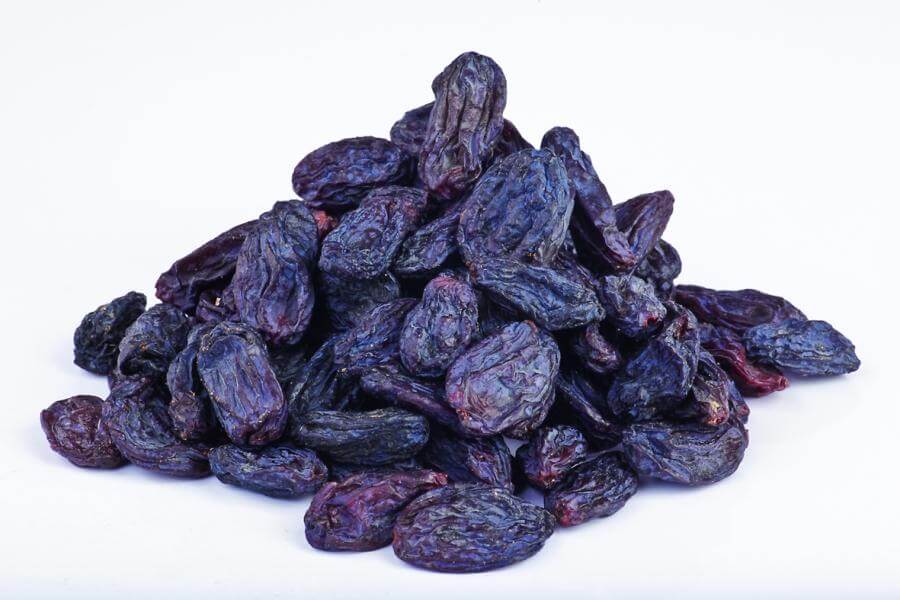
Organic Black Bukhara Raisins Organic Fairtrade Dried Black Bukhara Raisins are particularly beautiful, shiny, large black sultanas. The flesh is soft, intensely sweet and fruity, contains no seeds and the skin is firm. Origin This sultana owes its name to the city of Bukhara, one of the most important cities in Uzbekistan and a UNESCO World Heritage Site with its numerous buildings. The city was an important centre of the Persian Empire and an important transport hub on the southern Silk Road. Use As a snack between meals. Add to salads, muesli and yoghurt or combine with other dried fruit, nuts or cocoa nibs.Warning: May contain traces of nuts. Nutritional values of organic black Bukhara sultanas per 100g Energy value 1262kJ/298kcalFat 0.6gof which saturated fatty acids 0.2gCarbohydrates 68gof which sugar 63gDietary fibre 3.7gProtein 2.5gSalt 0.05g
Content: 250 Gramm (CHF 6.27 / 100 Gramm)
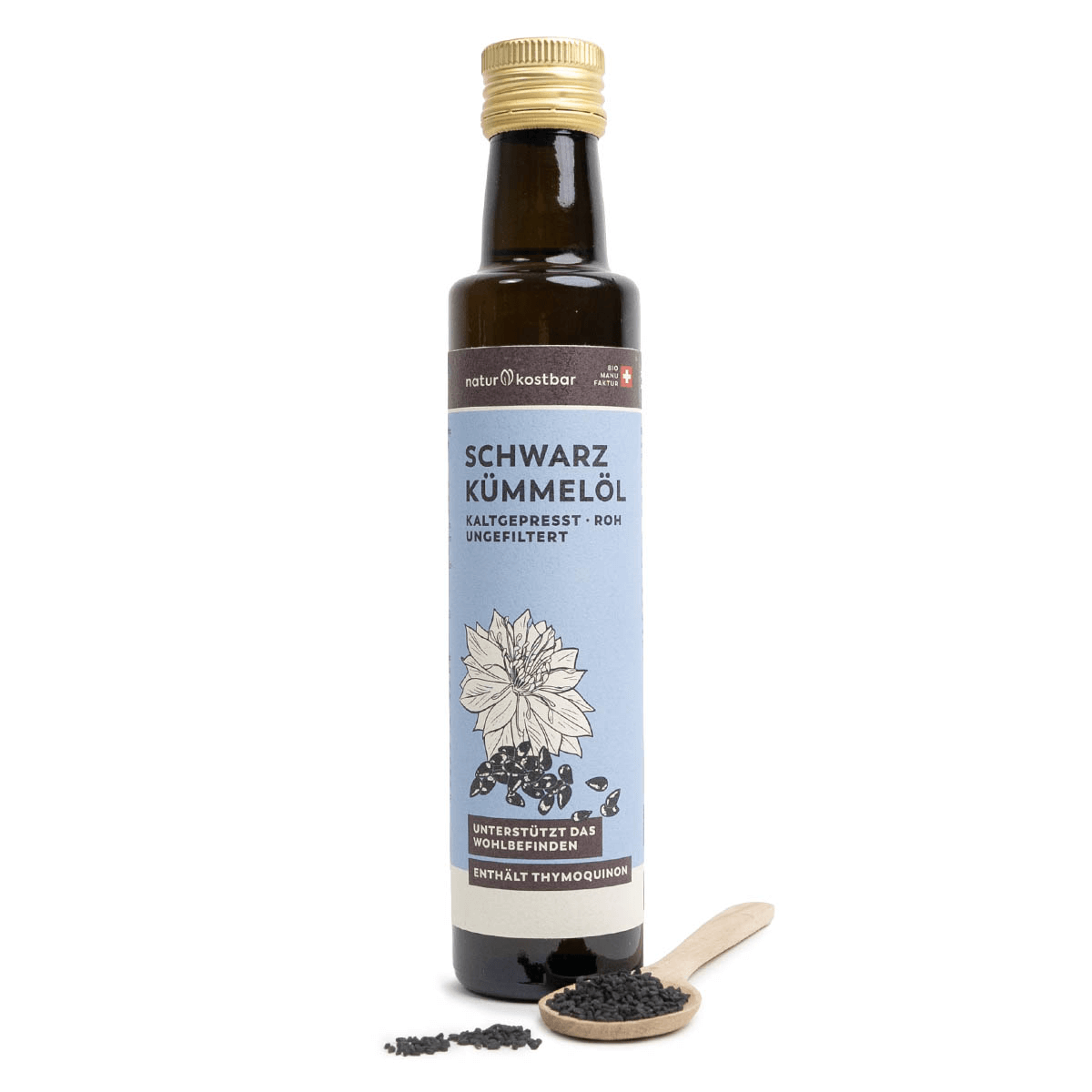
Buy black cumin oil | Cold-pressed & certified organic This certified organic black cumin seed oil is extracted from Egyptian Nigella sativa seeds and cold-pressed at below 37°C in the Naturkostbar Manufaktur in Bern. Black cumin seed oil is a very strong oil with a wonderful flavour. Due to its pungent flavour, it is recommended to mix black cumin oil drop by drop with another cold-pressed oil (e.g. olive oil). Why is black cumin oil healthy? Black cumin seed oil has a high-quality fatty acid spectrum. Due to the high proportion of polyunsaturated fatty acids and the optimum ratio of omega-3, omega-6 and omega-9 fatty acids, it is a particularly valuable edible oil. Unsaturated fatty acids are essential for our organism, i.e. we must consume them through food. They are an essential component of our cells. Black cumin seed oil also contains a considerable amount of essential oils. The high vitamin E content can protect our cells from oxidative stress. How to use black cumin seed oil? Black cumin seed oil is ideal for flavouring Arabic dishes, sauces and pestos or salad dressings. Also delicious in muesli! As a retailer, we are not allowed to make any health claims, so we recommend researching on the internet or in books for use in allergies, hay fever, psoriasis, immune system, ticks. What should I bear in mind when using black cumin oil? Black cumin oil, like other cold-pressed oils (except coconut oil), is sensitive to heat and is therefore mainly suitable for use in cold dishes. Toxic compounds can be formed when heated to high temperatures, e.g. frying. Origin and processing Black cumin thrives in the dry, hot climate of Egypt. Naturkostbar imports black cumin seeds from certified organic farmers with a special appreciation of nature and works closely with local partners. At the factory in Uetendorf near Thun, the organic black cumin seeds are carefully pressed in a water-cooled oil mill. The cooling prevents heat build-up during pressing and the temperature of the oil remains below 37°C at all times. The black cumin oil is not filtered, but the sedimentation process allows the sediment to settle naturally at the bottom before the oil is bottled. Although this process is more complex and takes considerably longer, it ensures that all the valuable fatty acids, vitamins and flavours are optimally preserved. Thymoquinone content Naturkostbar only uses high-quality Egyptian black cumin seeds, which are known for their special quality and natural thymoquinone content. The thymoquinone content of Egyptian black cumin is typically in the range of 0.5 % to 1.5 % - a value that is also used as a guideline for Naturkostbar black cumin oil. It should be noted that black cumin seeds are natural raw materials and the thymoquinone content can vary slightly from batch to batch, depending on harvest conditions and vintage. Two size variants We stock black cumin seed oil in both 100ml and 250ml bottles. Select "Weight variants" on the right-hand side. Nutritional values of black cumin seed oil per 100g value%*1*1 Reference quantity/daily dose for an average adult (8400kJ/2000kcal) Energy 3400kJ (830kcal) 40% fat 92g 131% of which monounsaturated fatty acids 21g 140% of which polyunsaturated fatty acids 55g of which saturated fatty acids 16g 80% Carbohydrates - - thereof sugar - - protein - - salt - - Vitamin E 30mg 250% Swiss Organic Farming Ordinance CH-BIO-086.
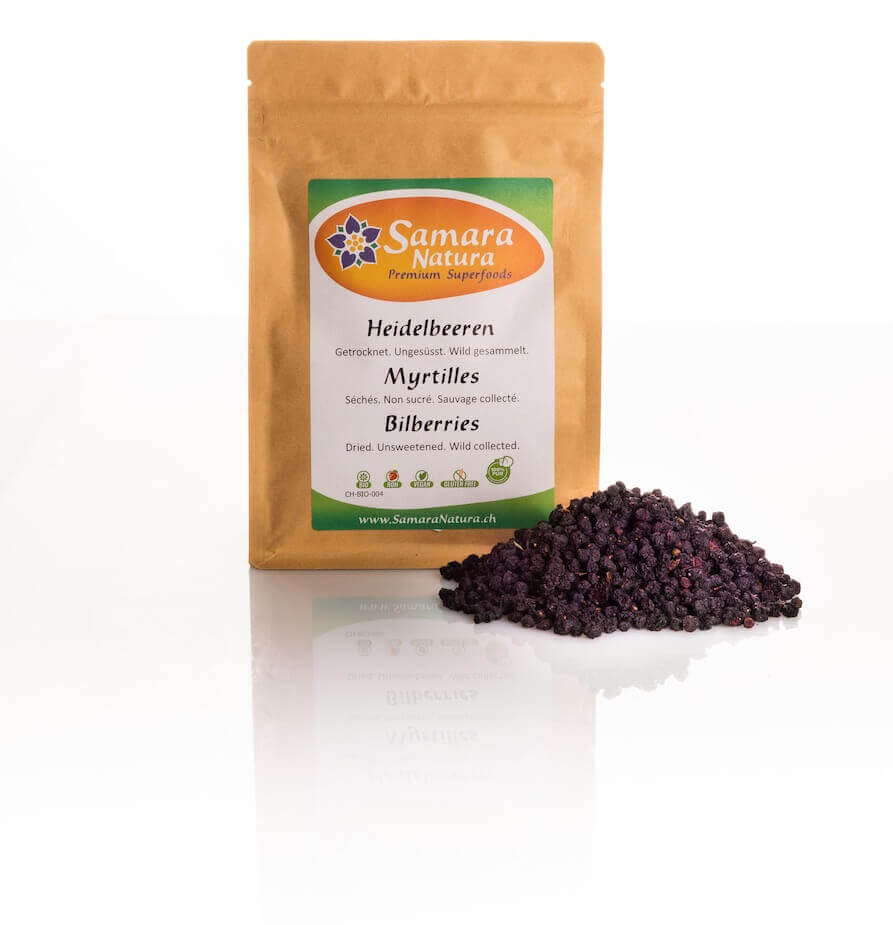
Wild organic blueberries - antioxidants and flavour combined To complement our range, we also offer organic blueberry powder from Bosnia. Packed with healthy nutrients like no other fruit - a real superfruit. Why eat dried organic blueberries from wild harvesting? Great snack: delicious and nutritious Wide range of important nutrients and particularly rich in vitamins C, E and B6 as well as iron, fibre and other vital substances such as resveratrol, zeaxanthin, lutein, anthocyanins and other polyphenolic compounds Because they contain such a high amount of phenols, especially gallic acid, blueberries are known as "nerve protectors". According to researchers from Iran, this means that they can literally protect our brains from degeneration, neurotoxicity and oxidative stress. Particularly for a fruit is its high iron content, which boosts energy levels by producing oxygen-rich blood cells throughout the body. In addition, dried wild blueberries contain a very high antioxidant capacity of around 50,000 µmol TE/100g (ORAC value = Oxygen Radical Absorption Capacity). For healthy skin Skin care products containing bilberry extract are becoming increasingly popular around the world. It has been reported that the broad spectrum of vitamins and minerals helps to restore hormonal balance, which counteracts acne. This makes blueberries an excellent home remedy for acne. Blueberries also contain resveratrol, a natural sunscreen that can tan your skin. What makes our wild organic blueberries special? 100% natural, gently processed and dried (raw food quality) No preservatives, colourings, sweeteners or other unnatural additives Natural flavour: sweet and sour, fruity and very aromatic Dark purple colour (high quality and purity) and quite dry and crispy Different sizes and origins Dried organic blueberries from wild collection are very difficult to obtain. In northern countries they are also often frozen or freeze-dried. The latest batch of air-dried blueberries comes from Bosnia again and we have packed them in 125g, 250g and 1kg bags. The difference between wild and cultivated blueberries They look almost the same. Both are blue, round and taste great. But what are the differences between these two berries? Wild blueberries compared to cultivated blueberries have a higher vitamin content and a much higher anthocyanin content. Blueberry has become a universal name for blue-coloured berries of the Vaccinium genus, but it is good to know the difference between cultivated blueberries (often called American blueberries or blueberries) and wild blueberries (European blueberries). While cultivated blueberries are grown in various places around the world, wild blueberries grow on small bushes mainly in the northern parts of the Northern Hemisphere. The anthocyanins in the wild blueberry are visible to the eye as blue and red pigments in the flesh, which is juicy and bluish-purple in colour. The cultivated blueberry, on the other hand, has an almost transparent white and somewhat floury flesh. The wild blueberry has certainly been used since the 16th century, both the dried berries and the leaves. Modern interest stems in part from the use of the fruit by British pilots during the Second World War, when pilots noticed that their night vision was better on bombing missions after eating bilberry jam. Nowadays, only garden blueberries (American blueberries) from cultivation are available, which are simply not as good and significantly less rich in vital substances than wild blueberries. How to integrate them into your daily diet? Thanks to their intense, typical blueberry flavour, they are perfect as an addition to muesli, smoothies and as a dessert topping. When making smoothies, we recommend soaking the wild blueberries overnight to make them easier to blend. They also go well in yoghurt (including vegan coconut yoghurt) and honey. A real treat! Nutritional values of wild blueberries per 100g Energy value 1310 kJ / 310 kcalProtein 5 gCarbohydrates 58 gof which sugar 37 gFat 6.3 gof which saturated fatty acids 0 gof which monounsaturated fatty acids 3.33 gof which polyunsaturated fatty acids 2.97 gDietary fibre 36.4 gVitamin C 223 mg (278%*)Vitamin E 14.1 mg (117%*)Vitamin B6 0.74 mg (53%*)Iron 5.2 mg (37%*)All information is subject to the usual fluctuations in natural products.*Per cent of the recommended daily intake for an adult according to the LGV. Storage: Store in a cool, dry and dark place.
Content: 125 Gramm (CHF 15.20 / 100 Gramm)
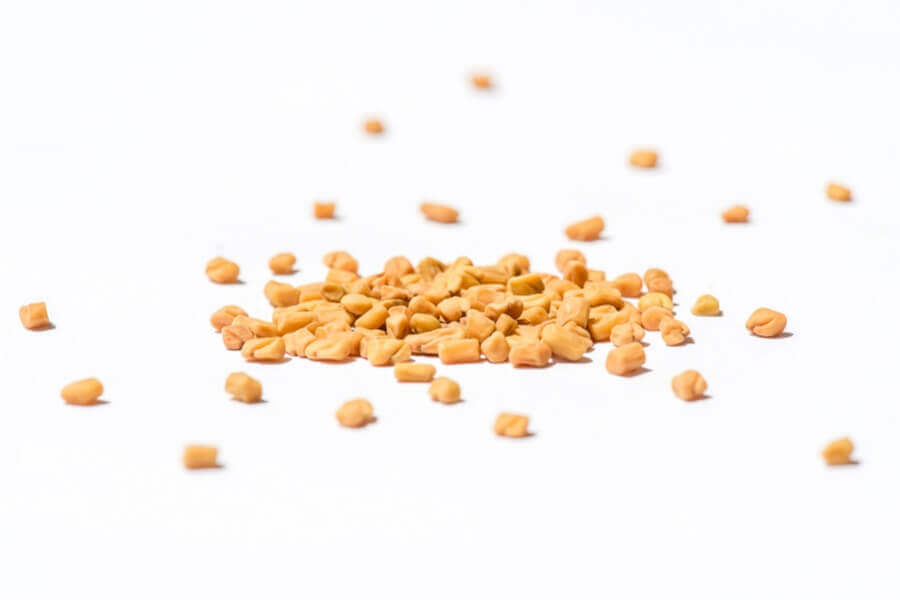
Fenugreek sprout seeds: superfood in a jar from Italy Even if fenugreek doesn't mean much to you yet, you've probably already eaten it, as it is found as a powder in most curry mixes. Fenugreek sprouts have a tangy, slightly bitter flavour. Thanks to their rich nutritional composition, fenugreek sprouts are an excellent choice for health-conscious people and gourmet enthusiasts alike. Why consume fenugreek sprouts? Rich in nutrients: Fenugreek sprouts are rich in essential nutrients such as protein, fibre, vitamins (A, B1, B2, B3, B5, niacin, D) and minerals (especially iron and phosphorus). This variety of nutrients supports your general health and vitality. Promotes digestion: The fibre in fenugreek sprouts supports healthy digestion and stimulates the appetite and metabolism Good for fat digestion and liver function: The bitter substances and essential oils are ideal for fat digestion and support liver function How to integrate fenugreek sprouts into your diet? The sprouts can be eaten raw and are ideal for salads, sandwiches, wraps or smoothies as well as for garnishing main dishes. They give your dishes a crunchy texture and a pleasant flavour. Instructions for growing fenugreek sprouts Soak 4 heaped tablespoons (for a 1.7 litre sprout jar, or 8 tablespoons for a 3.1 litre sprout jar) of fenugreek sprout seeds for 10 hours. Then drain the water and rinse. Rinse every morning and evening. The seeds will start to germinate after one day. Germination time 2-3 days in total
Content: 250 Gramm (CHF 3.61 / 100 Gramm)
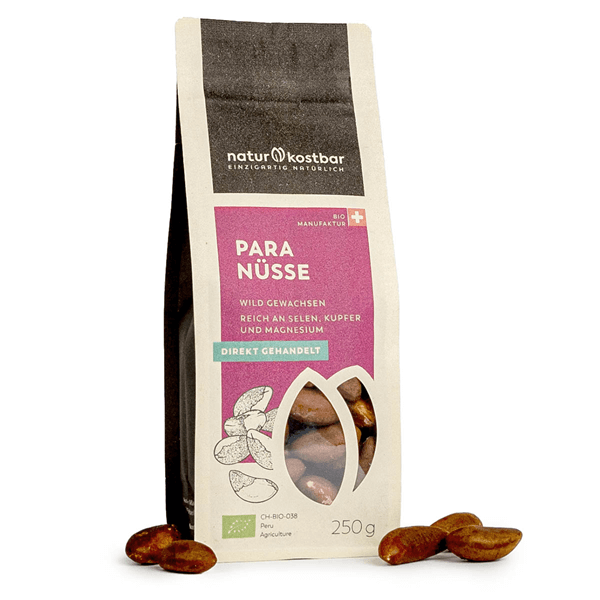
Wild Brazil nuts organic Update: Due to the discontinuation of PlantLife (bankruptcy), we have added Brazil nuts from Naturkostbar to our range. Brazil nuts from the Bolivian rainforest are highly valued for their crunchy texture and nutty flavour. They are one of the most characteristic nuts in the world in terms of flavour, appearance and impressive size. The sustainable, natural cultivation and harvest are fascinating: in the rainy season, the ripe pods fall from the trees before being collected by hand and cracked with machetes to reveal the nut kernels. PlantLife works closely with local cooperatives to conserve the rainforest by promoting sustainable farming methods. Paying a fair price for high-quality Brazil nuts is an incentive to save the rainforest from deforestation for agricultural purposes. Brazil nuts are a good source of vitamin E, magnesium, potassium and selenium. Use They are ideal for nibbling or crunching in muesli - but can also be easily grated or sliced and are an interesting flavour addition to cakes, pastries and desserts. Store in a dry place away from heat. For best-before date and origin, see bottom of pack. Warnings Small children can choke on nuts. May contain pieces of shell. May contain traces of other nuts. Nutritional values cashew curd per 100g Energy value 2829 kJ / 686 kcal Fat 67g - of which saturated fatty acids 17g Carbohydrates 3.6g - of which sugar 1.4gDietary fibre 8.1g Protein 14g Salt 0.04g Vitamin E 7.6mg (63%)* Magnesium 160mg (43%)*Potassium 645mg (32%)*Selenium 105µg (191%)* *according to nutrient reference values
Content: 250 Gramm (CHF 5.16 / 100 Gramm)
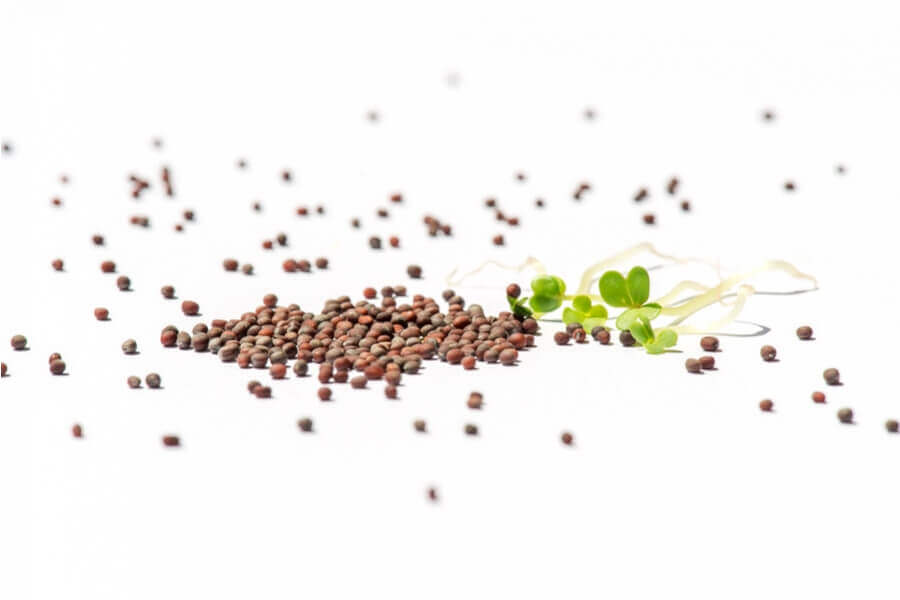
Organic broccoli sprouts at home: superfood from the jar Fresh and crunchy broccoli sprouts - a vitality boost for your diet Discover the concentrated power of nature with our fresh and crunchy broccoli sprouts. Our broccoli sprouts from Italy are the perfect companion for health-conscious gourmets who want to enrich their diet with an extra portion of vitality. Health-promoting properties and rich in nutrients They are not only delicious, but also rich in valuable nutrients. Like broccoli itself, they contain the phytochemical sulforaphane, but in much higher concentrations (10 to 100 times more than in broccoli vegetables). Broccoli sprouts are also known for their high content of vitamins, minerals and antioxidants. Easy and versatile to use in a variety of dishes Young broccoli sprouts taste savoury with a subtle cabbage flavour. Our broccoli sprouts are very easy to use. You can enjoy them raw in salads, sandwiches or wraps or in hot dishes such as soups, stir-fries or omelettes. The combination of broccoli sprouts and broccoli vegetables is not only interesting in terms of flavour. Instructions for growing broccoli sprouts Soak for 10 hours In contrast to other sprout seeds, we recommend rinsing broccoli sprouts only once a day. Reason: If you rinse them twice, the sprouts become too moist and quickly start to become "mouldy" Broccoli seeds germinate quickly and easily. They can be eaten from the 4th / 5th day. Suitable product recommendations: Sprouting jar with stand Stand connector for sprouting jar Sprout starter set
Content: 250 Gramm (CHF 5.89 / 100 Gramm)
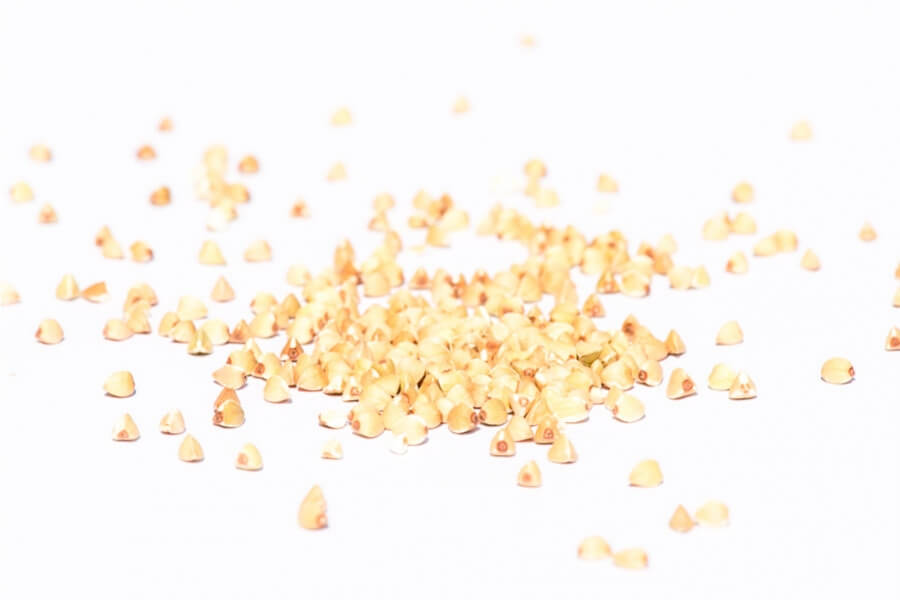
Buckwheat sprouts sprouting seed | nutritious, versatile and delicious What are buckwheat sprouts? Buckwheat sprouts are the tender and crunchy seedlings of the buckwheat plant (Fagopyrum esculentum). Like wheat, buckwheat is not a sweet grass. They are known for their high nutrient content and easy digestibility. They have an impressive range of valuable vitamins, minerals, antioxidants and proteins. Why consume buckwheat sprouts? Rich in nutrients: Buckwheat sprouts are an excellent source of vitamin B complex, iron, magnesium, zinc and fibre - all essential nutrients Excellent source of protein: For those on a plant-based diet or looking to increase their protein intake, buckwheat sprouts are an ideal choice. They contain all nine essential amino acids Easy to digest: Compared to other grains, buckwheat is naturally gluten-free and easy to digest Energy booster: With their high content of slow-release carbohydrates, buckwheat sprouts provide you with long-lasting energy and promote endurance Influence on blood sugar levels: Buckwheat sprouts can help stabilise blood sugar levels, which is particularly beneficial for diabetics Convincing ingredients 12% protein (twice as much as ordinary grain) High lysine content (essential protein), almost twice as much as in cereals Rutin, niacin Vitamins B1, B2, niacin, E Minerals: phosphorus, potassium, calcium, copper, magnesium, iron, fluorine, sodium Chlorophyll (helpful for reflux / acid regurgitation) Enzymes & hormones How to use buckwheat sprouts? Buckwheat sprouts can be integrated into your diet in a variety of ways: Salads and bowls: add a handful of crunchy buckwheat sprouts to your favourite salad or bowl for a healthy dose of nutrients. Smoothies: Give your smoothie an extra kick by adding a handful of buckwheat sprouts. The slightly nutty flavour goes perfectly with many fruit and vegetable combinations. Sandwiches and wraps: Use the sprouts as a healthy topping for your sandwiches or wraps - a delicious way to enjoy extra nutrients. Muesli and yoghurt: Sprinkle buckwheat sprouts over your muesli or yoghurt for a nice crunch and valuable nutrients. Sprout bread: Prepare your own sprout bread by incorporating the buckwheat sprouts into the dough. The result is a healthy and delicious wholemeal bread. Instructions for growing buckwheat sprouts 3.1 litre sprout jar: soak 10 heaped tablespoons for 4 to 10 hours 1.7 litre sprout jar: soak 8 heaped tablespoons for 4 to 10 hours Then germinate the buckwheat in the sprout jar for 2-3 days. Rinse each morning and evening. The sprouts can then be stored in the fridge for about a week. Further information on buckwheat sprouts sprouting seeds Bag contents: 500g Country of origin of sprouts: Austria Storage: Store in a cool, dark and dry place Organic certification: CH-BIO-006
Content: 500 Gramm (CHF 1.05 / 100 Gramm)
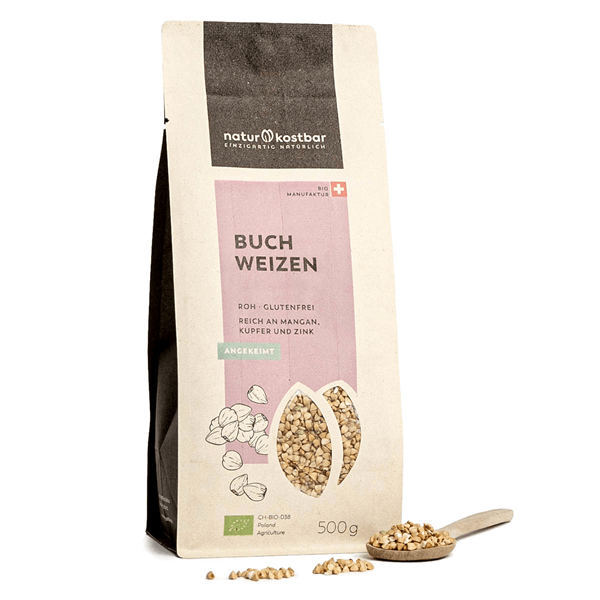
Sprouted buckwheat organic Naturkostbar With their pleasant nutty flavour and crunchy texture, they provide you with a valuable source of important nutrients. Why eat it? Buckwheat contains all the essential amino acids and can therefore promote the development of muscles, organs, cartilage, bones, skin, hair and nails. In addition, this pseudo-cereal is an excellent source of iron and selenium. How to use? These crunchy grains are ideal as a topping for salads, desserts or as an ingredient in your morning muesli. With a gluten content of less than 20 ppm, these buckwheats are also ideal for people on a gluten-free diet. What makes this buckwheat special? These buckwheats are produced by a family-run farm in Transylvania (Romania). This company specialises in sprouted raw food and processes the harvest from numerous organic farms in Europe. In order to develop the full potential of minerals and vitamins, the raw buckwheat grains are sprouted after harvesting. This germination process activates the dormant nutrients in the grain. Gentle drying at a maximum temperature of 42°C preserves these nutrients and gives the kernels their perfect crunchiness.
Content: 500 Gramm (CHF 2.26 / 100 Gramm)

Organic camelina oil, cold-pressed from Swiss camelina seeds Update: Naturkostbar has discontinued camelina oil. As an alternative, we have now added the oil from Oelerei Fehraltorf to our range. It is also made from Swiss organic camelina in raw food quality. This golden-yellow organic camelina oil is obtained from Swiss camelina seeds and pressed at temperatures below 30 degrees Celsius. To maintain the raw food quality, the producer uses a special water-cooled oil mill. Camelina oil is very rich (approx. 35%) in omega 3 fatty acids, also known as alpha-linolenic acid. In contrast to linseed oil, camelina oil has a much longer shelf life (becomes bitter much less quickly) and still has a high proportion of polyunsaturated fatty acids. Use of camelina oil With its wonderful taste, which is reminiscent of peas, camelina oil is ideal for flavouring vegetable dishes, salads and dip sauces. Like most cold-pressed oils, this camelina oil is sensitive to heat and is therefore primarily suitable for use in cold dishes. Toxic compounds can form when heated to high temperatures, e.g. when frying. To preserve the quality of the oil for as long as possible, we recommend storing camelina oil in the refrigerator. Nutritional values of camelina oil per 100g Energy value 3400kJ/830kcalFat 92gof which monounsaturated fatty acids 29gof which polyunsaturated fatty acids 53gof which saturated fatty acids 9gCarbohydrates 0gthereof sugar 0gDietary fibre 0gProtein 0gSalt 0.0gVitamin E 17.5mg (146%*) * Reference quantity/daily dose for an average adult (8400kJ/2000kcal)
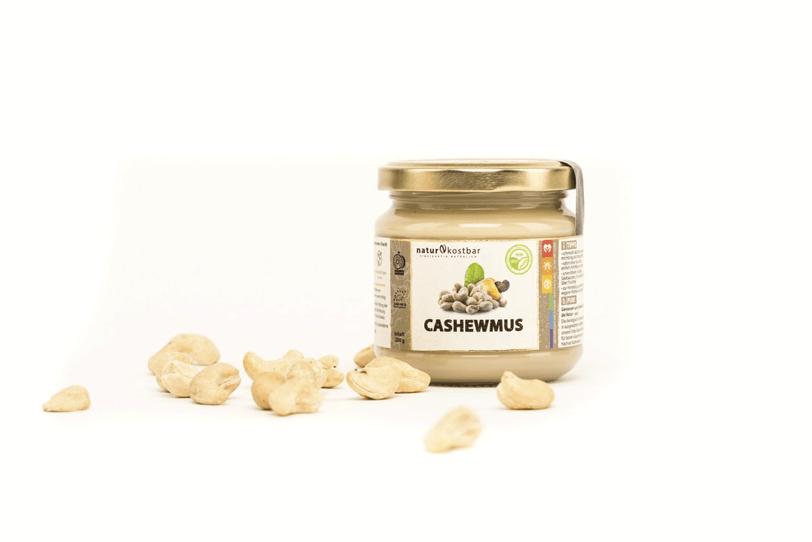
We only stock Naturkostbar cashew butter in a small 200g jar as standard. The large 550g jar for CHF 39.90 can be pre-ordered at any time -> info@samaranatura.ch or 044 586 27 27. Organic cashew butter from Naturkostbar in raw food quality Naturkostbar produces its own cashew butter using a traditional, slow stone grinding process. The cashews are stone-ground for up to 48 hours to produce this unique nut butter with an unprecedented velvety-silky consistency. Why we love cashew butter Cashews provide many polyunsaturated fatty acids, minerals such as iron, zinc and potassium as well as large amounts of vitamin B. Hardly any other food contains such a high proportion of the essential amino acid tryptophan as cashew nuts. Use Tip: Enjoy a fresh cashew milk: 1-2 tablespoons of cashew butter to 3 litres of water briefly in the blender. Can be sweetened with agave nectar, dates or honey. Tastes delicious as a spread with honey, serves as a base for many recipes, refines your muesli, yoghurt, salad dressing, fruit salad, ice cream, fruit shake. Quality: Raw food, stone-ground for 48 hours at max. 33° degrees Ingredients: 100% cashew nuts, from certified organic farming Origin of raw materials: Vietnam Certification: CH-BIO-086 Nutritional information organic cashew butter per 100g Energy / nutrient per 100gg/mg/μg%11 reference quantity/daily dose for an average adult (8400kJ/2000kcal) Energy 2460kJ (593kcal) 29% fat 45.2g 65% of which monounsaturated fatty acids 23.8g 159% of which polyunsaturated fatty acids 7.8g - of which saturated fatty acids 7.8g 39% Carbohydrates 26.6g 10% thereof sugar 5.9g 7% Protein 18.2g 36% salt - - Dietary fibre 3.6g 7% Vitamin A - - Vitamin C 0.5mg 1% Vitamin D - - Vitamin E 6.3mg 53% Vitamin K - - B-carotene (provitamin A) - - Vitamin B1 0.42mg 38% Vitamin B2 0.1mg 7% Vitamin B3 1.1mg 7% Vitamin B6 0.4mg 29% Vitamin B12 - - magnesium 270mg 72% copper - - manganese - - selenium - - iodine 10µg 7% Folic acid/folacin 25µg 13% Chloride 18mg 2% potassium 660mg 33% biotin - - Pantothenic acid 0.9mg 15% calcium 40mg 5% phosphorus 540mg 77% iron 5.2mg 37% Zinc 4mg 40% Molybdenum - - fluoride - - chromium - -
Content: 200 Gramm (CHF 7.37 / 100 Gramm)
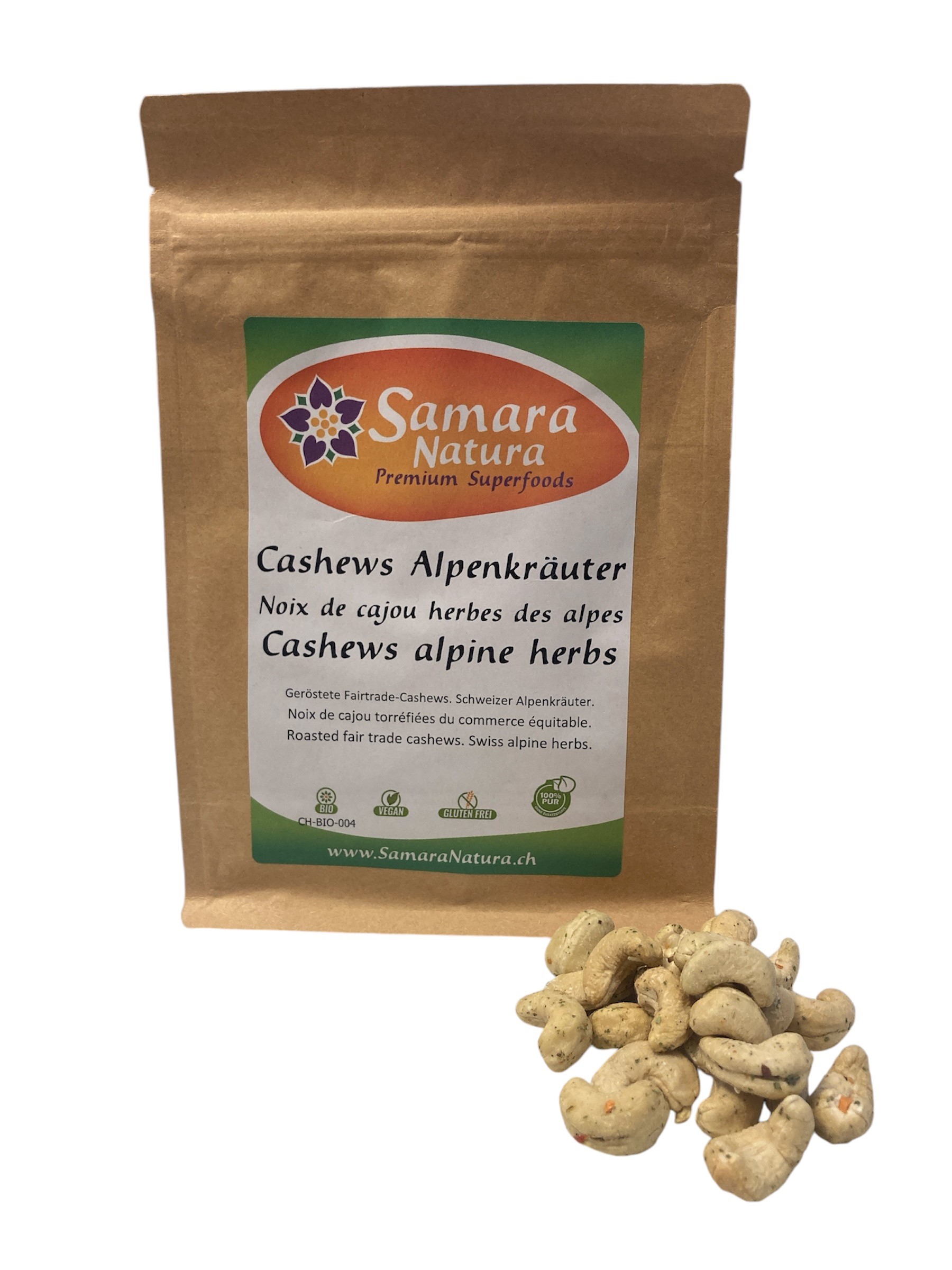
Organic Fairtrade cashews with alpine herbs and sea salt The cashews have a mild, sweet and nutty flavour and are a delicious source of nutrients. The cashew nuts are roasted in Switzerland and flavoured with Swiss organic Alpine herbs and sea salt. The result is flavoured cashews of the highest quality, incredibly tasty and crunchy. Origin Our organic Fairtrade cashews come from small farmers in Kerala (India) where they are carefully harvested, shelled and sorted by hand. Ingredients Roasted cashews (97.9%), sea salt (1.1%), alpine herb mix (0.8%), gum arabic.Caution: May contain traces of other nuts. Use We love these cashews as a snack on their own as an aperitif or simply between meals. They also make a wonderful gift. Nutritional values Organic Cashews Alpine Herbs per 100g Energy value 574kcal/2400kJFat 46.4g - of which saturated fatty acids 9.2gCarbohydrates 32.7gof which sugar 5gProtein 15.3gSalt 1.11g
Content: 250 Gramm (CHF 7.60 / 100 Gramm)
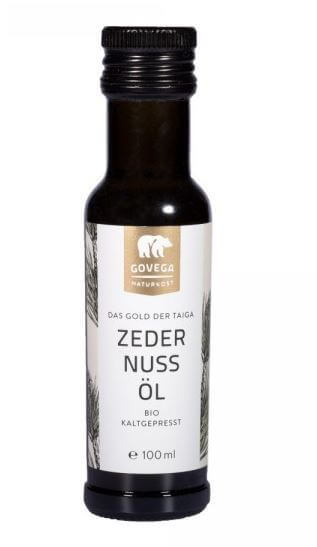
Cold-pressed organic cedar nut oil - the gold of the taiga The precious, amber-coloured cedar nut oil has been used throughout Russia for centuries. The flavour is pleasantly nutty. Why consume cedar nut oil? Siberian cedar nut oil is generally regarded as strengthening. In addition, various cosmetics in Russia contain cedar nut oil due to its beneficialproperties for maintaining healthy skin .Cedar nut oil is one of the few oils with a high vitamin E content (approx. 30 mg per 100 g). Vitamin E can help protect cells from oxidative stress. It contains over 26% monounsaturated fatty acids (monounsaturated fatty acids) and over 65% polyunsaturated fatty acids (polyunsaturated fatty acids). We regularly use cedar nut oil in cold dishes because we love the flavour and like to vary the oils a little. What makes Siberian cedar nut oil special? Due to the careful processing and cold pressing of the organic cedar nuts from the Altai Mountains in Siberia, many vital substances are retained. How to use cedar nut oil? The oil tastes particularly delicious with leaf or mixed salads, slightly warm dishes and raw food specialities. Take 1 teaspoon (3 ml) up to 3 times a day. Like most cold-pressed oils, heating significantly damages the quality. It should therefore only be used for cold to slightly warm dishes. Advice: Store in a cool, dry place away from light, as cedar nut oil is very sensitive to UV light. In particular, direct sunlight should be avoided. Store in the refrigerator after first opening. How is cedar nut oil produced?The organic cedar nuts are cold-pressed at regular intervals in Germany using stamp presses. Nutritional values of cedar nut oil Nutritional facts per 100 g / in 100 g Energy 3429 kJ (902 kcal) Fat 92.5 gof which saturated 7.4 gMonounsaturated fatty acids 24.6 gPolyunsaturated fatty acids 60.5 gCarbohydrates 0 gthereof sugar / sugars 0 gProtein 0 gSalt 0 mgVitamin E 30.6 mg = 255 %* *) Reference quantity for an average adult (8400 kJ / 2000 kcal)
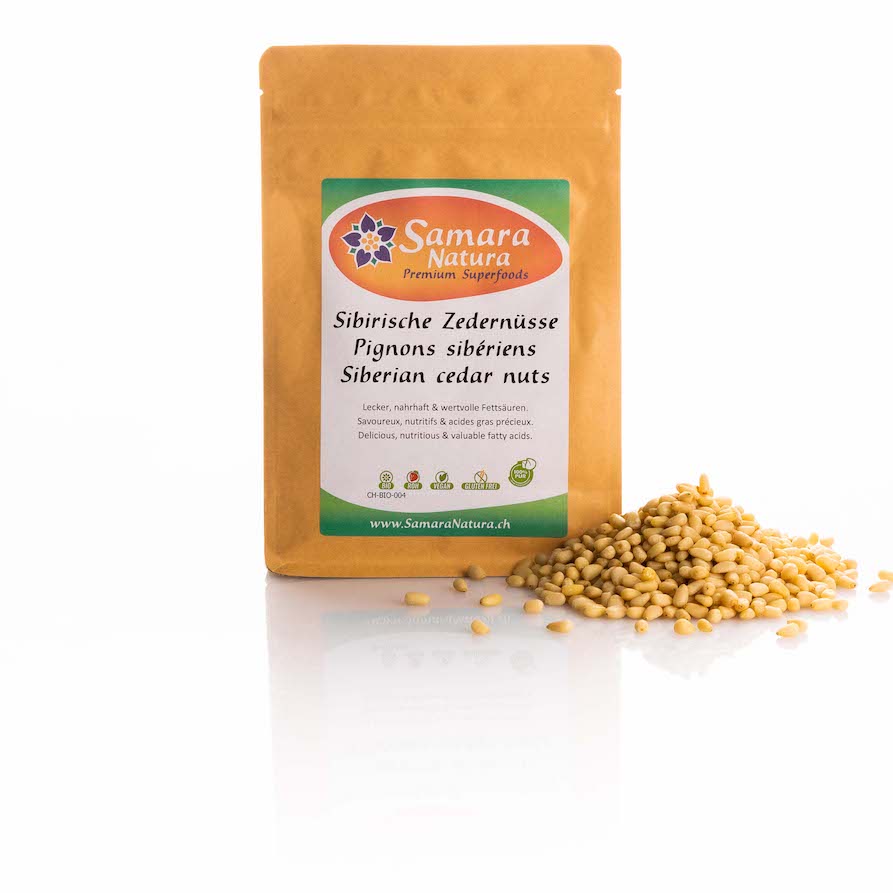
Cedar nuts from Siberia - a treasure of nature Cedar nuts taste similar to other pine nuts, but slightly sweeter and stronger. Unlike almost all commercially available pine nuts, our raw cedar nuts are not heat-treated. Why eat cedar nuts? Cedar nuts contain approx. 55% valuable unsaturated fatty acids, primarily linoleic and alpha-linolenic acid as well as the rare pinoleic/pinolenic acid. They are rich in tocopherols (vitamin E) as antioxidants as well as high-quality proteins (approx. 17%). They also contain many minerals (especially magnesium, potassium, phosphorus), trace elements (copper, manganese, zinc), vitamins (K and B) and flavonoids. For centuries, the inhabitants of Siberia have valued the widespread cedar (Pinus sibirica), a Swiss stone pine, not only as a source of valuable wood, but also for its tasty and highly nutritious seeds, which are found in the cedar cones. What makes our cedar nuts special? Almost all commercially available pine nuts are treated with heat to make them last longer. Our cedar nuts, on the other hand, are completely untreated, which preserves the broad spectrum of nutrients. Where do our cedar nuts come from? They come from the Lake Baikal region in Siberia and are harvested by hand. The Siberian pine is a true treasure of Siberian nature, forming vast areas of unspoilt forests throughout northern Russia. The huge, magnificent trees (up to 40 metres tall) grow slowly and the first cones with seeds only appear when the trees are around 30 years old. They are among the longest-lived tree species in existence, as they can live for 300 to 800 years! The evergreen cedar is a storehouse of cosmic light energy, capturing the energy rays from cosmic space in its millions of needles during its long life. Even thousands of years ago, ancient peoples valued the properties of the cedar tree, which they called "the eternal". The brushwood was used to prepare a vitamin drink, the resin was used to heal wounds and ulcers, and the seeds and their oil helped to survive the long, harsh winters in Siberia. How to use cedar nuts in everyday life? Cedar nuts taste delicious on their own as a snack or together with dried fruit and other nuts, goji berries and cocoa nibs. They can be sprinkled on salads and other dishes or added to mayonnaise, creams and milk. Cedar nuts add a certain elegance to your cooking. Cedar nuts and their oil are also very good for skin care and regeneration. We recommend keeping cedar nuts in the fridge after opening, especially in summer. Customer opinion on the product "I really like cedar nuts. I like to mix them with a little water and then create something sweet or savoury from them. Vegan salad dressing, cheese substitute ... or simply snack on a handful in between." from Mirjam F. Nutritional values of cedar nuts per 100g Energy value 2927kJ/699kcal,Fat 62g,of which saturated fatty acids 4g, monounsaturated fatty acids 15g, polyunsaturated fatty acids 41g,Carbohydrates 8g, of which sugar 6gProtein 19g,Salt <0.1g, Magnesium 270mg (72%*), Vitamin E 9mg (75%*), vitamin B1 0.6mg (57%*). *the recommended daily intake.
Content: 250 Gramm (CHF 7.98 / 100 Gramm)
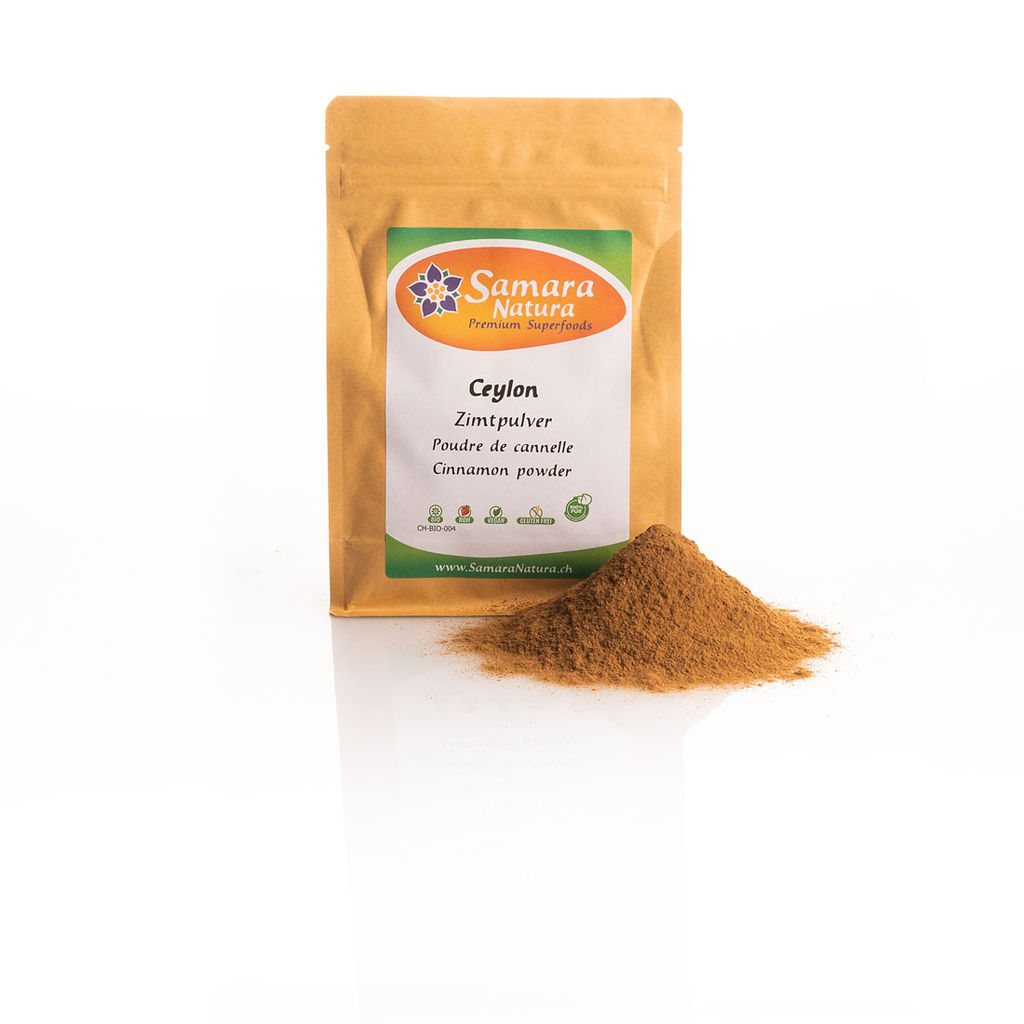
Organic Ceylon cinnamon powder (100% natural) - premium quality you can taste This premium cinnamon powder from Sri Lanka, the original home of the cinnamon tree, is a fine and pure, particularly intensely flavoured cinnamon powder made from real Ceylon cinnamon! It is without doubt the tastiest and freshest cinnamon powder we have ever tasted. True cinnamon has been used by humans since at least 3000 BC and grows naturally in Sri Lanka, Bangladesh, India and Burma. Ceylon cinnamon came to Europe with the Portuguese navigator Vasco da Gama in 1502, which he brought back from Sri Lanka (Ceylon). Nowadays, it is more common to find the cassia cinnamon variety on the market, which comes from China, rather than the more aromatic true cinnamon. The flavour of the cinnamon tree comes primarily from cinnamon oil and other aromatic substances such as eugenol, which is also found in cloves. True cinnamon is not only used for flavouring, but also has other interesting applications (*1). Among other things, cinnamon is known to stimulate the appetite and aid digestion. It is also considered helpful for bacterial and fungal infections, inflammation and for lowering blood sugar. Cinnamon contains a very high antioxidant capacity of 131,420 µmol TE/100g (ORAC value = Oxygen Radical Absorption Capacit). Since we as a retailer are only allowed to make a few specific statements about the health effects of foods, we recommend that you research information about this product yourself on the Internet, e.g. at Zentrum der Gesundheit. Why we love organic Ceylon cinnamon powder We love this premium cinnamon powder because of its truly unique and particularly aromatic cinnamon scent and flavour, which is not only associated with childhood memories of heavenly cinnamon sugar. Coconut sugar with cinnamon even surpasses the flavour experience and is also a healthy alternative to white sugar! Applesauce with cinnamon is another classic. Recently, we have also been using cinnamon more and more often in our evening turmeric drink (Facebook/blog link) and in chocolate drinks, as well as in curry dishes and teas. The beneficial properties of cinnamon are a very welcome "side effect". SamaraNatura Cinnamon The aroma and flavour of this 100% pure Ceylon cinnamon are particularly intense and fresh, which is achieved through rapid processing and optimal conditions! This cinnamon comes from organic cultivation and fair trade from two local Fairtrade organisations with 2500 participating farmers. Thanks to the co-operation with Fairtrade, the farmers can earn a secure and independent living. The Fairtrade premium can be used to pay for projects such as clean drinking water, school materials for the children and educational projects. Organic farming and fair trade relations have a decisive influence on the quality of the product. Many work steps are carried out traditionally and exclusively by hand. ✓Controlled organic cultivation ✓Raw food ✓Vegan ✓Fairtrade ✓Premium quality and very flavourful ✓100% pure nature ✓Without preservatives or other additives Use In smoothies, desserts, chocolate drinks, coffee, curry dishes, spiced teas, nut milk and fruit juices. Nutritional values of organic Ceylon cinnamon powder Average nutritional values per 100g Energy value 1137kJ/272kcal fat 3.2g of which saturated fatty acids 0.9g Carbohydrates 56g of which sugar 33g protein 3.9g Dietary fibre 6.1g All information is subject to the usual fluctuations of natural products. Storage Store in a cool, dry and dark place. Product should not be refrigerated. References *1) https://www.ncbi.nlm.nih.gov/pmc/articles/PMC3854496/
Content: 250 Gramm (CHF 6.65 / 100 Gramm)
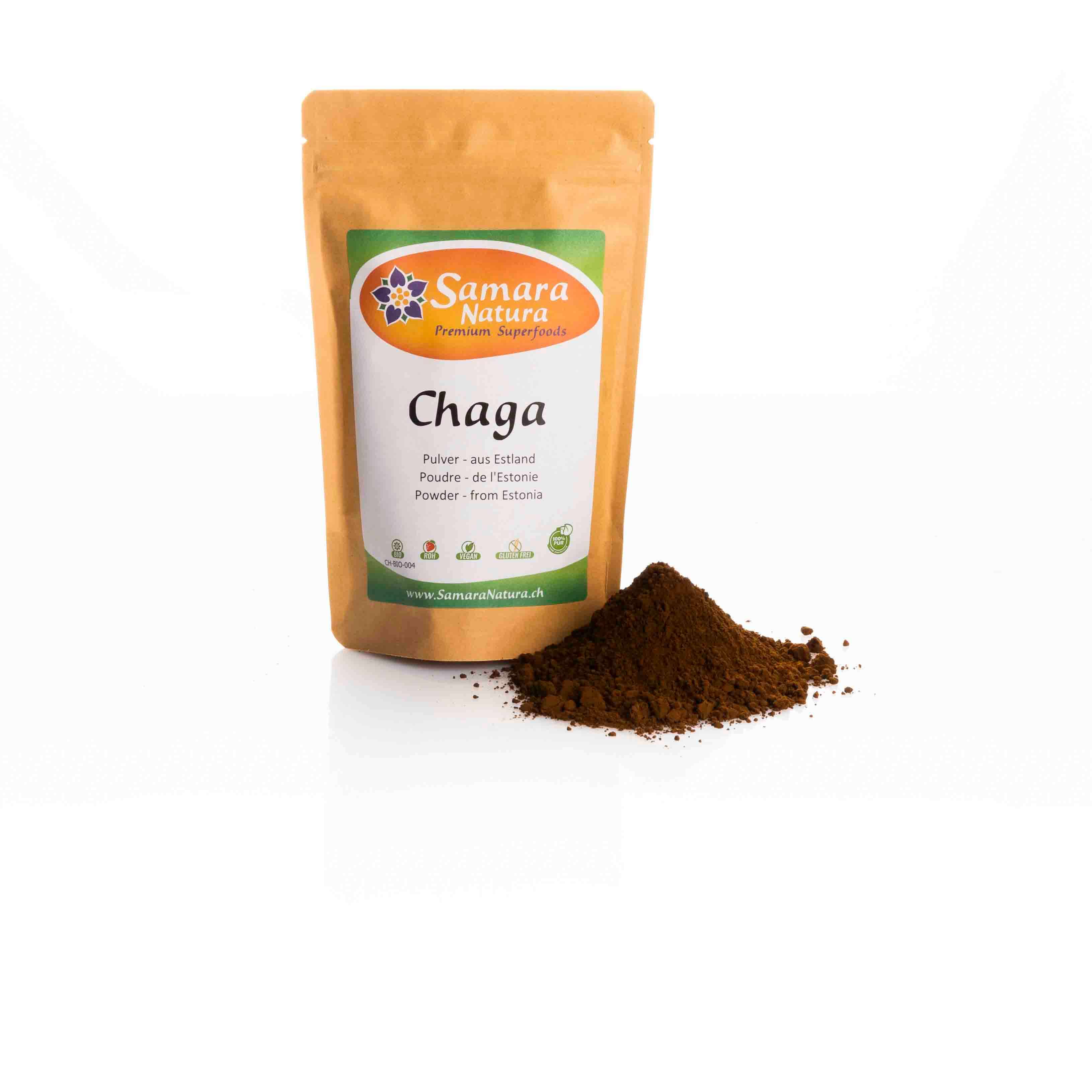
Chaga powder (100% natural) from China Why consume Chaga powder? Antioxidants: Rich in antioxidants, Chaga powder helps fight harmful free radicals and protect cells from oxidative stress. In Russia and Lapland, chaga tea has been consumed as a tonic for centuries Vitamins and minerals: Chaga powder contains a variety of vitamins and minerals and is a natural source of energy for everyday life Skin health: The anti-inflammatory properties of chaga powder can have a positive effect on the appearance of the skin What makes our Chaga powder special? Our organic chaga mushrooms are collected wild in China, then gently dried and very finely ground Brown in colour and has a characteristic earthy, woody taste. When should I be careful with Chaga? Diabetics should only use Chaga powder after consulting a doctor. Chaga can slow down blood clotting. Chaga should not be used if you are taking blood-thinning medication. In case of medical treatment, pregnancy or uncertainty, consult a specialist about the use of this product. Keep out of the reach of children. How to consume Chaga powder? To prepare a cup of tea: Pour hot water (60°C) over 1 teaspoon (2-3g) of Chaga powder and leave to infuse for 15 minutes. Chaga powder can also be added to smoothies, porridge or muesli. Chaga is also an interesting alternative to coffee because it is caffeine-free. Recommended daily dose: 3g. Chaga latte recipe Have you ever tried a chaga latte? Ingredients: 1 tsp Chaga powder 3/4 cup hot water (60°C) 1/4 tsp cinnamon powder 1 tsp coconut blossom sugar 1/4 cup coconut milk Preparation: Pour the hot water over the chaga powder and leave to infuse for 15 minutes. Then mix with the other ingredients in a blender until frothy or simply stir together in a cup. Nutritional values of chaga powder per daily portion of 3g Energy value 44kJ / 10.5kcal fat 0.05g of which saturated fatty acids 0.01g Carbohydrates 1.64g thereof sugar 0.01g Dietary fibre 0.60g protein 0.56g salt 0.00g
Content: 125 Gramm (CHF 19.76 / 100 Gramm)
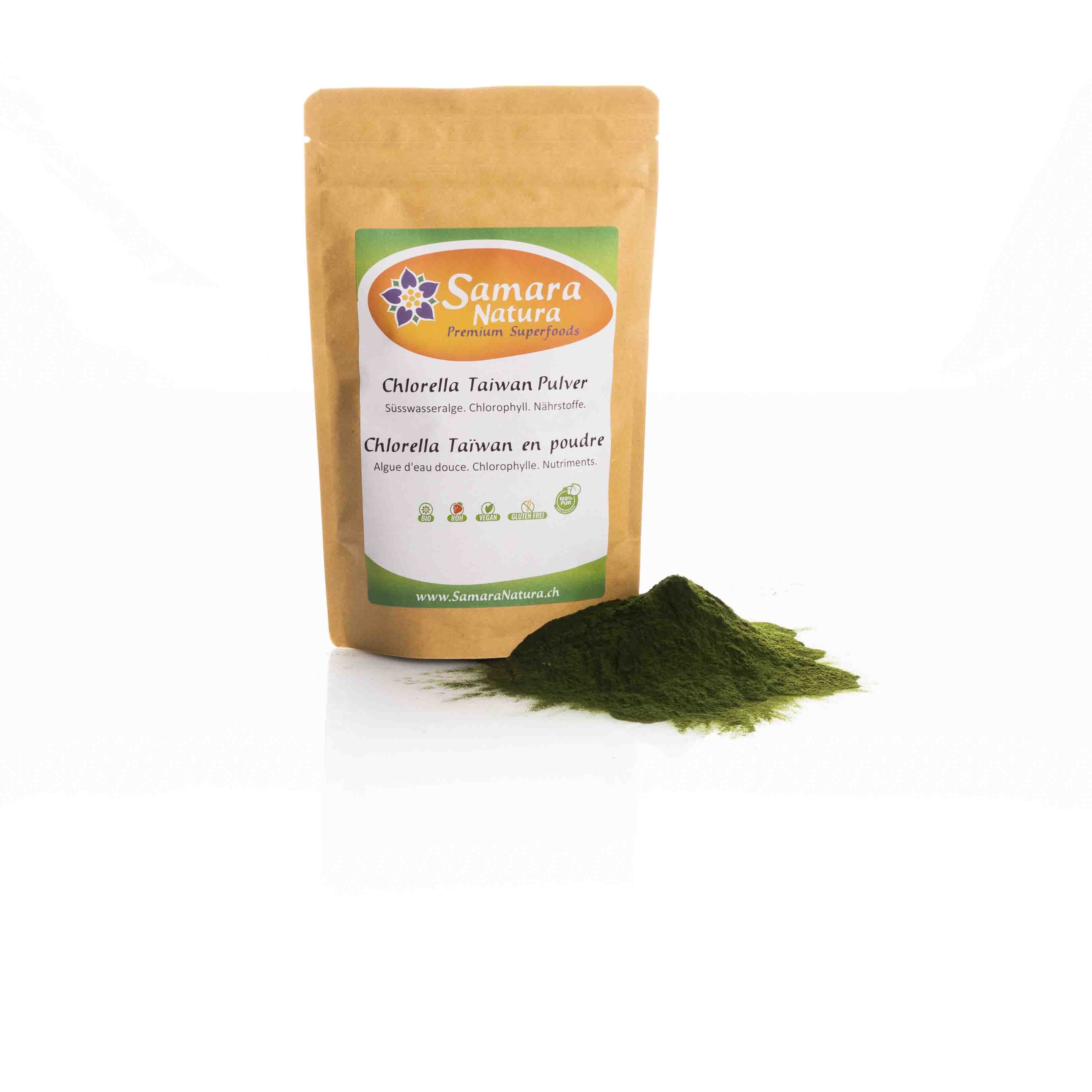
Organic Chlorella Vulgaris Powder (100% natural) - The green miracle What is chlorella? Chlorella is a microscopically small, single-celled algae that occurs naturally in fresh water. It is the oldest form of plant life known to us that has a real cell nucleus. Chlorella has been used and revered as a powerful superfood in many traditional cultures. Why consume chlorella? Chlorella provides a veritable flood of nutrients for the body. Minerals, rare trace elements, vitamins (including vitamin D) and a broad spectrum of enzymes (including pepsin). Chlorella consists of 60% complete and easily digestible proteins. The plant also contains essential fatty acids, nucleic acids (DNA and RNA), which are important for cell regeneration, and secondary plant substances with disease-defence properties such as carotenoids, lutein, astaxanthin and others. Chlorella has the highest chlorophyll content of all known plants, four times as much as normal plants! Chlorophyll is also known as green plant blood, as its molecular composition hardly differs from human haemoglobin. Chlorophyll has antioxidant properties, purifies the blood and supplies it with oxygen. Chlorella is known as a valuable aid in protecting the body from environmental toxins and radiation. Its fibrous outer cell walls are able to bind and eliminate heavy metals (amalgam, cadmium, lead), pesticides, medicines and other toxins that accumulate in the body. It is therefore very important to drink plenty of water when taking chlorella. Because of its nutritional richness, chlorella is nature's ideal food. When taken together with spirulina, you have almost perfect ratios of the most important nutrients the body needs. Chlorella has been and continues to be the subject of intense research and this tiny, fantastic creature may yet be of great help with global and worrying problems such as cancer, nuclear disasters and environmental pollution, as well as nutritional issues and mental disorders. What makes our organic chlorella powder from Taiwan special? Our chlorella powder is 100% natural and additive-free. Our chlorella comes from an algae farm in southern Taiwan, which was the first to be recognised by the German organic farming association Naturland. The algae grow outdoors under intense sunlight in pure fresh water of drinking water quality. The cultivation of only strong, healthy strains of microalgae guarantees first-class quality. The microalgae are gently harvested at the time of highest nutrient density, then pre-centrifuged and spray-dried in seconds using a special process. The hard cell wall of chlorella is gently broken up using a vacuum process to make it easier to digest. What makes chlorella unique? Chlorella can quadruple in quantity every 20 hours, and no other plant on earth can do that! This is due to the so-called Chlorella Growth Factor (CGF), a complex of many substances in very small quantities, including RNA, DNA, amino acids, vitamins and minerals, the exact properties of which have not yet been identified. However, laboratory tests have shown that the addition of CGF stimulates growth processes by increasing the growth of beneficial bacteria such as Lactobacillus by up to 400%. Because chlorella has a perfect single reproductive cell, it is more advanced than the other more common green microalgae. This is why its DNA / RNA is said to be of better quality. Nucleic acids are important for cell regeneration and support the production of new tissue. How to use chlorella powder? Chlorella can be taken in tablet form or as a powder. The tablets are easier to take, but their quality can be affected by the possible use of binding agents and heating during manufacture (not applicable to our tablets). Powdered chlorella can be mixed into vegetable and fruit juices or smoothies. It adds a rich, thick texture to any liquid. Chlorella powder can also be added to foods such as cream cheese, mayonnaise, ice cream, pasta and rice to enhance flavour and nutritional value. As it contains growth-promoting substances, it can also be a valuable ingredient for bread and fermented drinks. Recommended dosages: Start with 400 mg per day and slowly take more as your body acclimatises to chlorella. Children and beginners: 400 mg - 3 g per day Adults: 5 - 6 g per day For detoxification: 20 - 25 g per day (drink plenty of water!) For severe health problems, a higher dose of up to 30 g per day may be necessary until health improves. Chlorella can generally be taken safely in high doses. Under normal conditions, we recommend the regular intake of chlorella together with spirulina in a ratio of 1:2 (5g chlorella + 10g spirulina). This provides the body with all the necessary nutrients in a balanced way. Some effects of chlorella are immediately noticeable, e.g. the improvement in bad breath, but it can take 3-6 months for chlorella's nourishing powers to fully unfold. Composition 100% organic chlorella microalgae powder. Nutritional values Chlorella powder per daily serving (4.8g) Energy value 76kJ / 18kcal,Fat 0.4g,of which saturated fatty acids 0.2gCarbohydrates 0.5g,Dietary fibre 0.4g,protein 3g,Vitamin A (β-carotene) 491µg (61%*),Folic acid (Vit. B9) 108 µg (54 %*),Iron 9.5 mg (68 %*),chlorophyll 102 mg.*the recommended daily dose All information is subject to the usual fluctuations of natural products. The product is not intended as a substitute for a balanced and varied diet and a healthy lifestyle. Keep out of reach of children. The recommended daily dose must not be exceeded. Vitamin A and iron contribute to the normal function of the immune system and normal cell division.
Content: 125 Gramm (CHF 20.90 / 100 Gramm)
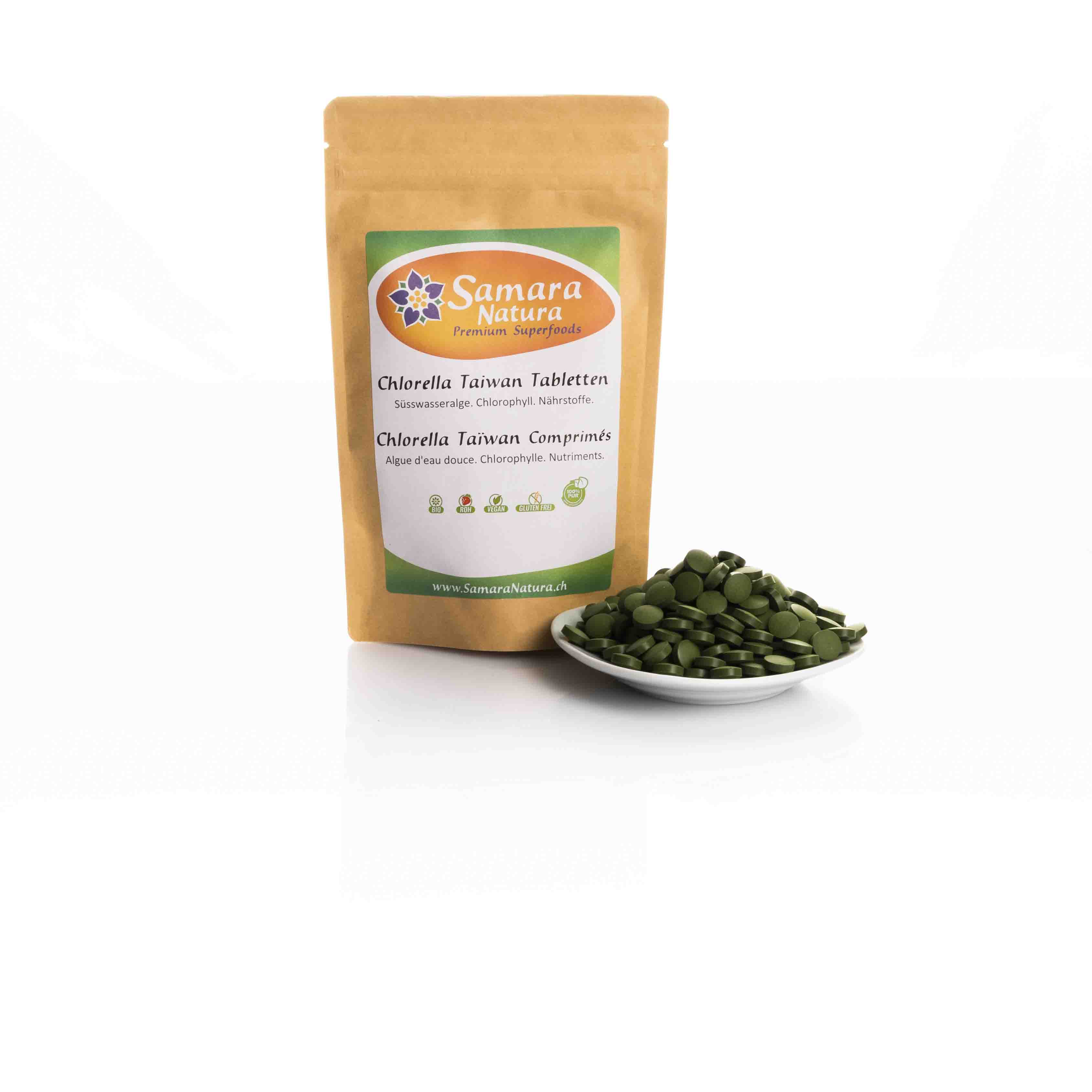
Chlorella Vulgaris Tablets (100% natural) Chlorella is a microscopically small single-celled algae that occurs naturally in fresh water. It is the oldest known form of plant life that has a true cell nucleus. Chlorella has been used and revered as a powerful food in many traditional cultures. Why consume chlorella? Chlorella provides many valuable nutrients for the body. Minerals, rare trace elements, vitamins (including vitamin D) and a broad spectrum of enzymes (including pepsin). Chlorella consists of 60% complete and easily digestible proteins. It also contains essential fatty acids and secondary plant substances such as carotenoids, lutein, astaxanthin and others. Chlorella has the highest chlorophyll content of all known plants, four times as much as normal plants! Chlorophyll (plant green) is said to have a detoxifying and antioxidant effect on our body. What makes our chlorella tablets special? Our chlorella tablets are made from 100% natural organic chlorella microalgae powder. The tablets are pressed on site from fresh powder without any pressing aids or additives. To ensure the high quality requirements, each batch of organic chlorella tablets is checked for toxins, heavy metals and other contaminants by an independent laboratory in Germany. Where does our chlorella come from and how is it processed? Our chlorella comes from an algae farm in southern Taiwan, which was the first to be recognised by the German organic farming association Naturland. Laboratory tests have shown that this chlorella (along with only one other) is one of the cleanest chlorella strains in the world! The algae grow outdoors under intense sunlight in pure fresh water of drinking water quality. The cultivation of only strong, healthy microalgae strains guarantees first-class quality. The microalgae are gently harvested at the time of highest nutrient density, then pre-centrifuged and spray-dried within 3 seconds using a special process. The hard cell wall of chlorella is gently broken up using a vacuum process to make it easier to digest. During this process, the temperature of the mass does not rise above 40°C -> raw food quality. What makes chlorella unique? Chlorella can quadruple in quantity every 20 hours, and no other plant on earth can do that! This is due to the so-called Chlorella Growth Factor (CGF), a complex of many substances in very small quantities, including RNA, DNA, amino acids, vitamins and minerals, the exact properties of which have not yet been identified. However, laboratory tests have shown that the addition of CGF stimulates growth processes by increasing the growth of beneficial bacteria such as Lactobacillus by up to 400%. Because of its nutritional richness, chlorella is nature's ideal food. When you use chlorella together with spirulina, you have almost perfect ratios of all the important nutrients the body needs. Chlorella has been the subject of intensive research. Use: Chlorella tablets Chlorella can be taken in tablet form or as a powder. The tablets are easier to take, but their quality can be affected by the possible use of binding agents and heating during production (does not apply to our tablets). Powdered chlorella can be mixed into vegetable and fruit juices or smoothies. It adds a rich, thick texture to any liquid. Chlorella can also be added to foods such as cream cheese, mayonnaise, ice cream, pasta and rice. Recommended amounts of chlorella tablets: Start with 400 mg (1 tablet) per day and increase slowly as your body becomes accustomed to chlorella. Children and beginners: 1 - 8 tablets per day Adults: 12 - 15 tablets per day Composition Chlorella tablets 100% chlorella, no tableting aids. Tablets of 400mg Chlorella Contents of pack Chlorella tablets The 125g pack contains approx. 313 tablets of 400mg each. The 250g pack contains approx. 625 400mg tablets. Nutritional values per daily portion (4.8g / 12 tablets) Energy value 76kJ / 18kcal,Fat 0.4g,of which saturated fatty acids 0.2gCarbohydrates 0.5g,Dietary fibre 0.4g,protein 3g,Vitamin A (β-carotene) 491µg (61%*),Folic acid (Vit. B9) 108 µg (54 %*),Iron 9.5 mg (68 %*),chlorophyll 102 mg.*the recommended daily dose All information is subject to the usual fluctuations of natural products. The product is not intended as a substitute for a balanced and varied diet and a healthy lifestyle. Keep out of reach of children. The recommended daily dose must not be exceeded. Vitamin A and iron contribute to the normal function of the immune system and normal cell division.
Content: 125 Gramm (CHF 21.89 / 100 Gramm)
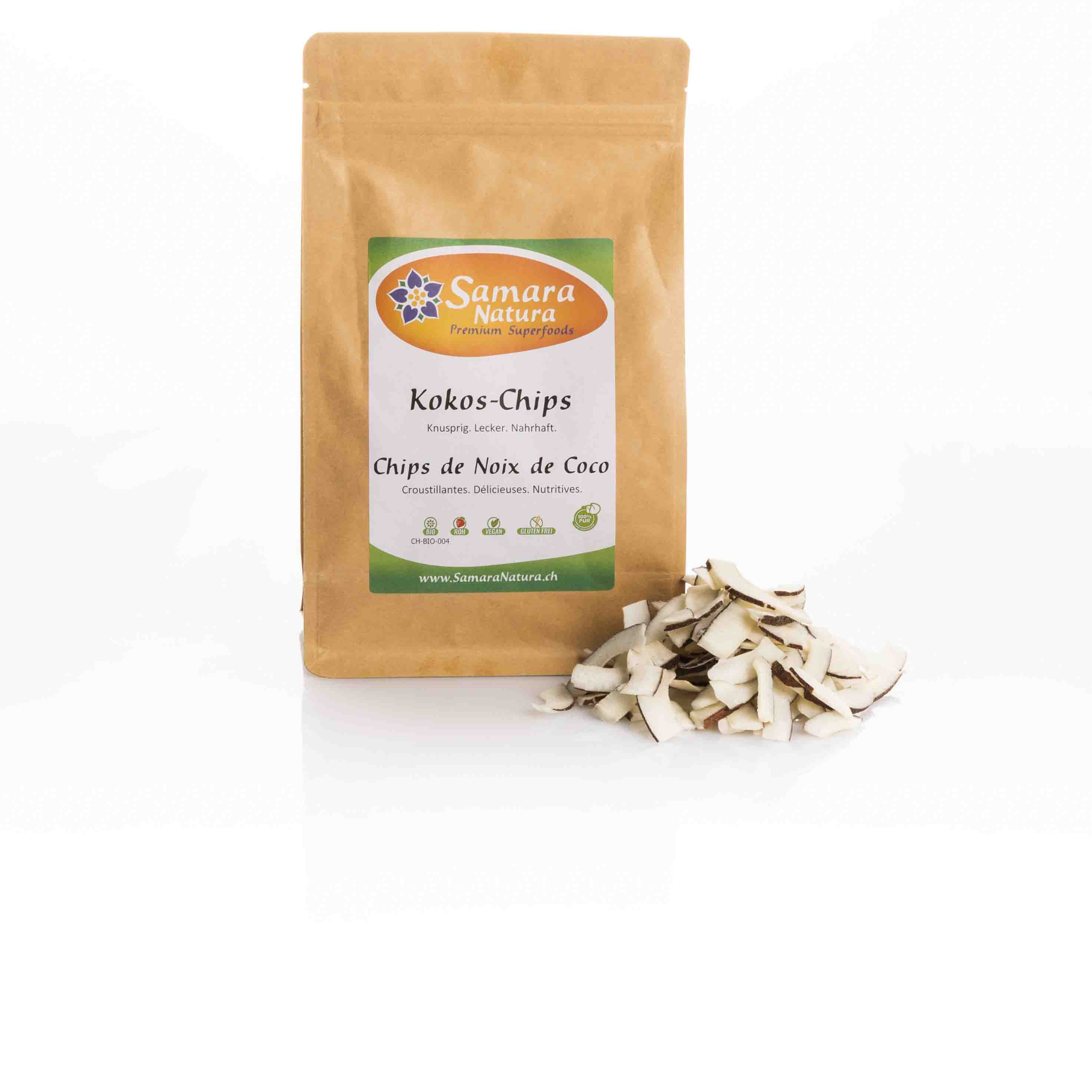
Why consume coconut chips (coconut flakes | 100% natural)? Update: As the coconut chips with brown skin are no longer available, we have purchased a batch of coconut flakes as an alternative. They will be available around 06/03/2026. Coconut chips are a nutritious, tasty, exotic snack for everyone and every situation: Healthy snack (also for children)Brain food (food for the brain) for mental activitiesHealthy, quick meal in the office or on the goHigh-energy food for athletesCoconut with its wonderful flavour has become an indispensable part of our cuisine and many baked goods. What makes our coconut chips special? Our raw coconut chips are crispy and particularly flavourful. Due to their size and shape, you could also call them coconut strips. Other specialities:Made from freshly harvested coconutsDrying at low temperatures to preserve flavour and nutrientsUnroasted and free from colourings, flavourings and preservatives Uses A healthy snack for at home and on the go, when travelling, in nature and after exercise.Enjoy coconut chips for refining muesli or desserts, for baking and for Asian cuisine. Tip: Try coconut chips together with pineapple.Alternatively, discover our shredded coconut. Interesting facts about coconut palms and coconut nutritional values Coconut palms are ancient cultivated plants and have been grown for at least 3000 years. Coconuts are one of the most complete foods that a person could eat for weeks on end without going hungry! In tropical countries it is used as a substitute for breast milk. In addition to valuable protein, dietary fibre and numerous minerals and vitamins, the coconut provides fructose as brain food and healthy fats. The medium-chain fatty acids in coconuts (so-called MCT fats) are of great nutritional and physiological benefit. Nutritional values of coconut chips per 100g Energy value 2805kJ/670kcalFat 65gof which saturated fatty acids 57gCarbohydrates 7gof which sugar 7gDietary fibre 16gProtein 7gSalt <0.1g.
Content: 250 Gramm (CHF 4.52 / 100 Gramm)
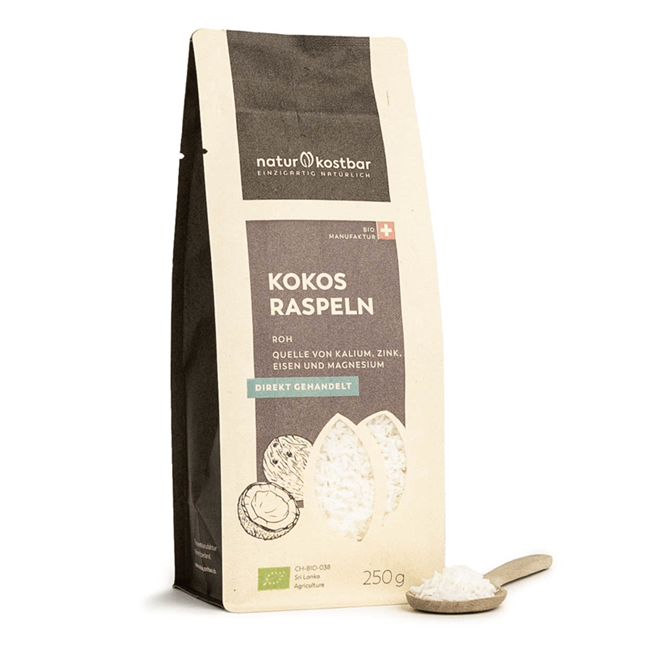
Organic shredded coconut from fresh coconuts Update: As the PlantLife coconut flakes are no longer available (discontinued), we have added those from Naturkostbar to our range as an alternative. Shredded coconut is a convenient way to enjoy the goodness of coconut without having to work your way through a thick, sturdy nut. PlatLife sources King shredded coconut from Sri Lanka, from certified organic farming areas. The farmers cultivate the land and improve their living conditions by working in harmony with nature to provide the best product. After harvesting, the coconut is opened, the coconut water is collected, the shell is removed and the fruity flesh is cut into cubes. The coconut flesh is then gently dried in the sun and then grated. Processing is carried out carefully by hand and under high hygienic conditions. This ensures that the dried organic grated coconut is of the best quality. They are unbleached and of raw food quality. Coconuts are rich in potassium, which contributes to the healthy functioning of the muscles and nervous system and helps the body to maintain normal blood pressure. The high iron content of coconuts stimulates the metabolism and at the same time supports brain function and the immune system. Store in a dry place away from heat. See bottom of pack for best before date and country of origin. Use Grated coconut is ideal for baked goods and desserts as well as for curries to give them a sweet flavour and texture. Warnings Small children can choke on nuts. May contain pieces of shell. May contain traces of other nuts. Nutritional values organic shredded coconut per 100g Energy value 2795 kJ / 680 kcal Fat 65g - of which saturated fatty acids 62g Carbohydrates 8.4g - of which sugar 7.3gDietary fibre 15g Protein 7.4g Salt 0.15gPotassium 380mg (19%)* Iron 2.3mg (16%)* *according to nutrient reference values
Content: 250 Gramm (CHF 2.09 / 100 Gramm)
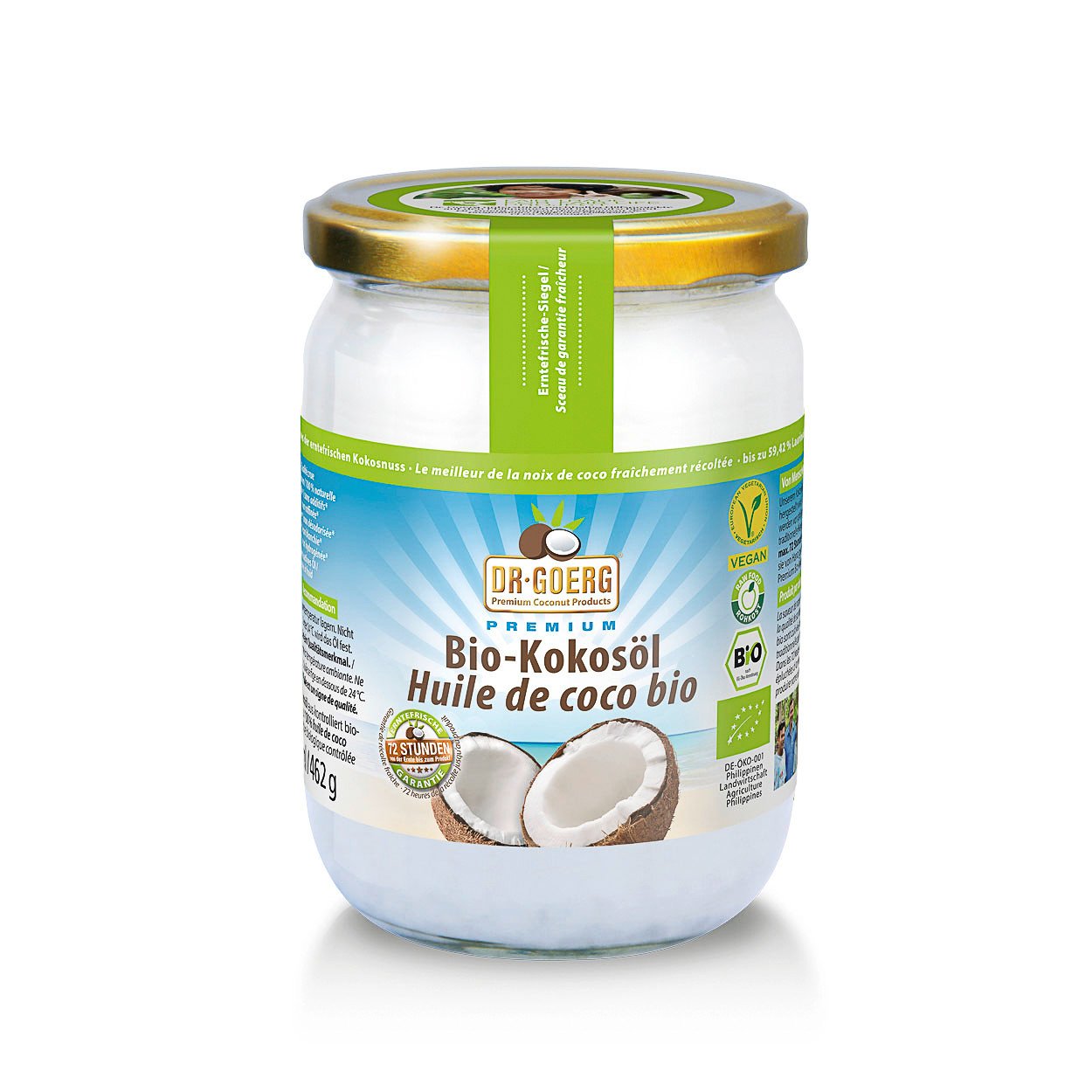
Virgin coconut oil - the valuable all-round product Update: Our SamaraNatura coconut oil is unfortunately sold out. To bridge the gap (until the new batch arrives) we are offering coconut oil from Dr Goerg and Naturkostbar. Why buy organic coconut oil? Natural, aromatic flavour Use in the kitchen and for body care High heat stability For weight loss support The wholesome coconut oil with its naturally fragrant, mildly aromatic flavour is a must in the kitchen! A major advantage of coconut oil over other oils is that it is very heat-stable. This makes it ideal for cooking, frying and baking. It also has a long shelf life. Coconut fat does not make you fat and is even said to help you lose weight, as it is immediately converted into energy by the body. The special saturated fatty acids in coconut (so-called MCT fats) - and in particular the high lauric acid content - are of great nutritional benefit. Breast milk also consists largely of these medium-chain fatty acids, which themselves do not contain cholesterol, but promote the production of healthy, vascular-protective HDL cholesterol. Coconut oil also has valuable properties for cosmetics. Coconut oil nourishes and moisturises the skin and hair, promotes well-being, a beautiful appearance and a vital radiance. This is also recognised in Asia, where coconut oil has been used for centuries as a rich source of nutrition, beauty and care products. What makes our coconut oil special? Extraction from fresh fruit flesh Organic certification Gentle processing Coconut palms are ancient cultivated plants and have been cultivated for at least 3000 years. With coconut oil, it is particularly important to pay attention to the quality of the product, as many commercially available coconut fats are industrially hardened and deodorised. For our virgin coconut oil, the flesh of freshly harvested organic coconuts is gently dried for one to two days and then cold-pressed. The result is a coconut oil with a subtle coconut flavour. The coconut oil is certified organic, unbleached, not deodorised and without any additives. The unhydrogenated, unrefined "Virgin Coconut Oil" impresses with its excellent properties and particularly high content of valuable lauric acid. Both sizes (500ml and 1 litre) are filled in a practical, resealable white jar. This can later be used as a storage jar for powders, nuts and much more. Where does our coconut oil come from? The current batch comes from the Philippines. Tips for use: In the kitchen and for body care You can use the oil, which acquires a solid consistency in the fridge, as a butter substitute, spread or for salad dressings, for example. However, due to its fatty acid structure, it can also be used for frying at high temperatures and gives sauces, Asian dishes and other dishes a subtly exotic flavour. Very tasty in desserts and homemade chocolates. Insider tip: A teaspoon of warm coconut oil poured over ice cream. Used as a hair treatment or conditioner, it makes brittle hair supple and shiny. Massage coconut oil into dry hair, leave on for 10-15 minutes and then wash out with a mild shampoo. Coconut oil has a solid consistency at room temperature and begins to melt and turn into oil at around 25 degrees. Nutritional values of coconut oil per 100g Energy value 3688 kJ/ 896 kcalFat 99.8gof which saturated fatty acids: 94.5gCarbohydrates 0gof which sugar 0gDietary fibre 0gProtein 0.6gSalt 0g
Content: 500 ml (CHF 3.80 / 100 ml)
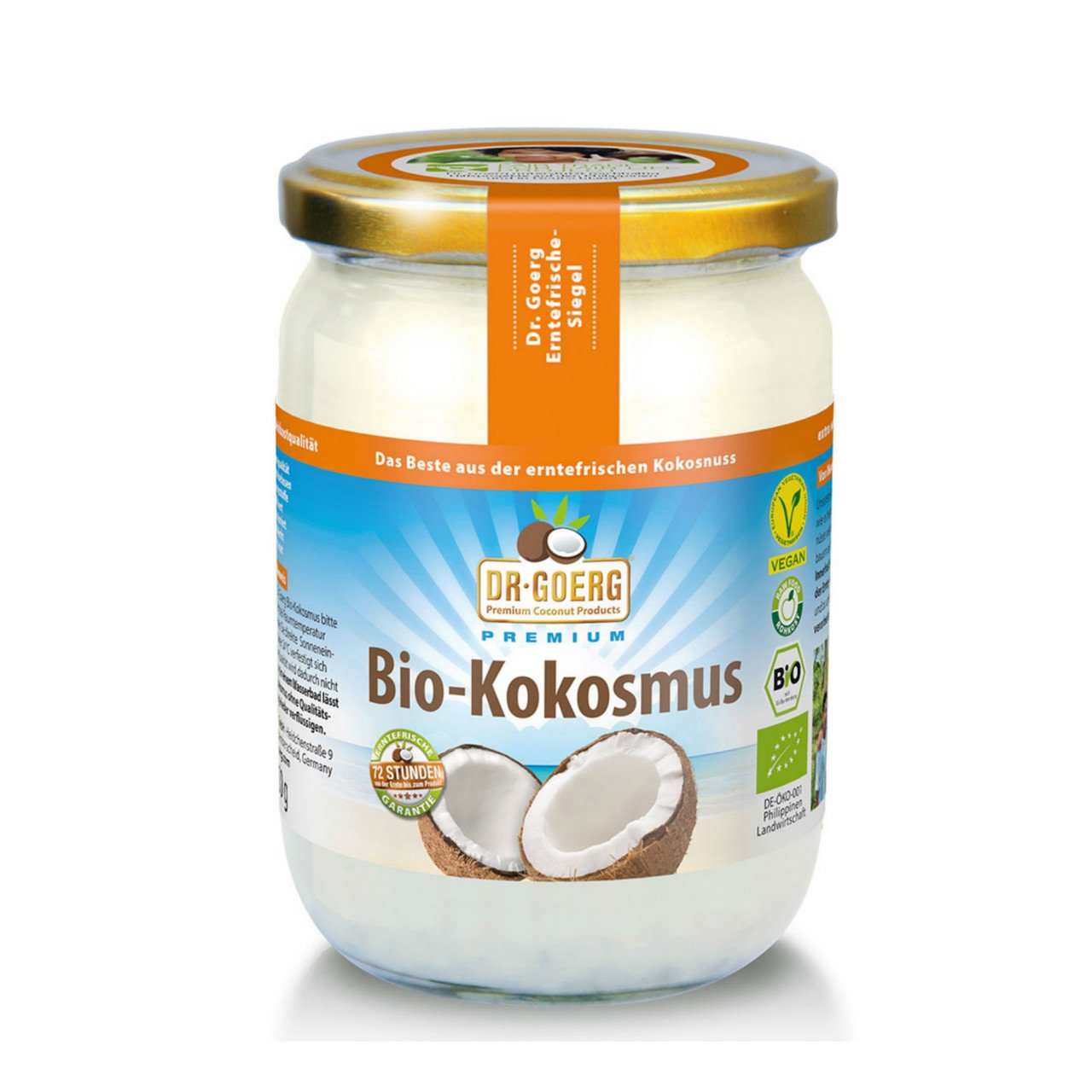
Organic coconut butter from Dr Goerg What makes Dr Goerg coconut puree special? Dr Goerg organic coconut puree is made from 100% freshly harvested coconut flesh (only 72 hours from harvest to product) and processed into a creamy puree, without the addition of water, emulsifiers, bleaching agents or thickeners! It is of raw food quality, produced at a processing temperature of 38°C. Coconut puree can be used in a variety of ways in the kitchen and cosmetics and adds flavour to baked goods and desserts as well as curries and drinks. Delicately melting and nutty, it is an exotic treat for gourmets. Why consume Dr Goerg coconut butter? Ideal as a spread or for refining sauces and dishes, especially curry dishes Lactose and gluten free Raw food quality Vegan From certified organic cultivation Made from freshly harvested fruit pulp 100% natural, without additives unbleached Using coconut purée in the kitchen Coconut puree has found its place in modern cuisine. Very tasty even as a pure spread! Add a touch of exotic flavour to anything that tastes even better. Whether desserts, soups, stir-fries, sauces or fruit salads with exotic fruits. And it adds a certain elegance to curries. Of course, it also enhances drinks, such as green smoothies or milkshakes. It also makes you creative! You can also use coconut butter to make your own themed cakes. There are no limits to your decorative imagination. About the consistency The coconut butter solidifies at temperatures below 24°C. If you want a softer consistency, you can liquefy the puree in a water bath or simply place it next to the heating in winter. This will not affect the quality. Nutritional values Dr Goerg organic coconut puree 100 g contain on average Energy 2787 kJ / 677 kcal fat 64,6 g - of which saturated fatty acids 60,8 g Carbohydrates 7,7 g - of which sugar 7,4 g Dietary fibre 17,3 g protein 7,6 g Salt < 0,1 g
Content: 500 Gramm (CHF 3.38 / 100 Gramm)
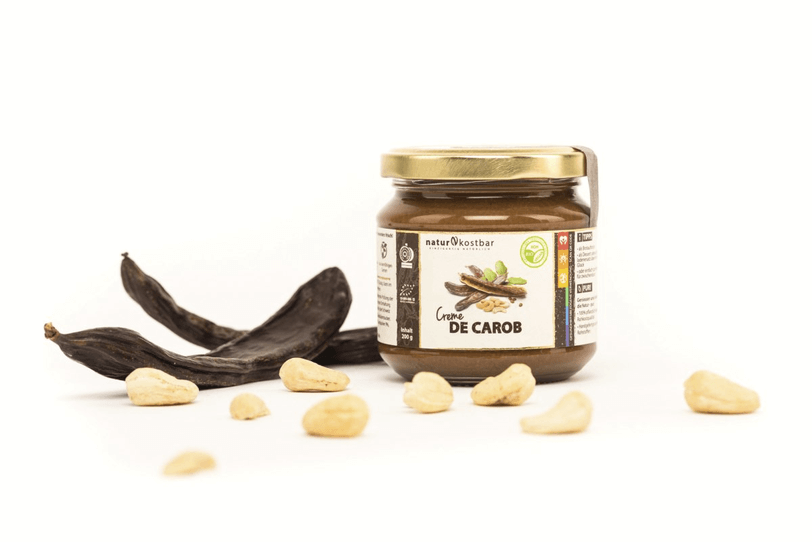
Naturkostbar only stocks the Creme de Carob in a small 200g jar as standard. The large 550g jar for CHF 39.90 can be pre-ordered at any time -> info@samaranatura.ch or 044 586 27 27. Creme de Carob from Naturkostbar - the chocolate spread alternative Creme de Carob is a delicious spread based on cashew butter and carob. It can also be used for desserts or as a chocolate substitute for snacking. Our Creme de Carob is 100% plant-based, 85% raw food and is produced in a stone mill process at 42°C. Ingredients Cashew butter*, coconut blossom sugar**, almond oil*, cocoa butter*, carob powder* 9%, vanilla*. * Ingredients from organic farming and in raw food quality. ** Ingredient from organic farming. Produced by Naturkostbar in Steffisburg Hand-cracked organic cashew nuts form the basis for this treat. These are slowly ground in a traditional stone mill for 48 hours until they have a wonderfully fine and creamy consistency. This very gentle processing preserves the valuable nutrients and natural flavour. Creme de Carob is sweetened with coconut blossom sugar and flavoured with almond oil, carob powder and vanilla. Use Enjoy Creme de Carob as a spread on bread, together with fresh or dried fruit and as a delicious ingredient for desserts or ice cream. Carob fans can enjoy a spoonful of crème de carob in the evening instead of chocolate. Tip: Mix 1 tablespoon of crème de carob with 3 litres of almond milk or another nut milk of your choice - it tastes simply wonderful! Creme de carob does not need to be kept in the fridge unless you want a firmer consistency. On the other hand, it becomes liquid from around 30° C. Quality All ingredients come from controlled organic cultivation. The raw food content is "only" 85% because the coconut blossom sugar used for sweetening is not raw food (not possible due to the production process). Nutritional values per 100g Energy 2425 KJ / 585 KcalFat 45.4g- of which saturated fatty acids 10.3g- of which monounsaturated fatty acids 25.5g- of which polyunsaturated fatty acids 6.4gCarbohydrates 32.6g- of which sugar 19.9gProtein 10.3gDietary fibre 5.7gSalt 0.1g Vitamin E 3.5mg (29%)Vitamin B1 (thiamine) 0.3mg (26%)Vitamin B6 0.3mg (18%)Phosphorus 330.4mg (47%)Iron 3.8mg (27%)Magnesium 164.9mg (44%)Zinc 2.6mg (26%)Potassium 661.5mg (33%) Percentages based on the reference amount for an average adult (8400kJ / 2000kcal). Origin of raw materials: Vietnam, Indonesia, Spain, Peru, Italy, Madagascar Certification: CH-BIO-086
Content: 200 Gramm (CHF 7.84 / 100 Gramm)
Cress sprouts germination seed Important: Always grow cress with alfalfa (recommended) or red clover, as cress sprout seeds stick together strongly when they start to germinate. Cress grown on its own does not work. The same also applies to rocket sprout seeds. What are cress sprouts? Cress sprouts are a very tasty choice. They make a savoury change from the mild alfalfa sprouts. Why eat cress sprouts? Rich in nutrients Excellent source of protein Easy to digest Energy booster Convincing ingredientsAs a food retailer, we are not permitted to advertise the secondary plant substances in sprouts. Basically, sprouts are rich in chlorophyll (plant green), minerals, vitamins and enzymes.How to use cress sprouts? Cress sprouts can be integrated into your diet in a variety of ways: Salads and bowls: add a handful of crunchy cress sprouts to your favourite salad or bowl for a healthy dose of nutrients. Smoothies: Give your smoothie an extra kick by adding a handful of cress sprouts. The slightly nutty flavour goes perfectly with many fruit and vegetable combinations. Sandwiches and wraps: Use the sprouts as a healthy topping for your sandwiches or wraps - a delicious way to enjoy extra nutrients. Instructions for growing cress sprouts 3.1 litre sprout jar: Soak 1 level teaspoon of cress seeds and 2 heaped tablespoons of alfalfa seeds for 10 hours. 1.7 litre sprout jar: soak 1 level teaspoon of cress seeds and 1.5 heaped tablespoons of alfalfa seeds for 10 hours. Then germinate in the sprout jar for 5-7 days. Rinse every morning and evening. The sprouts can then be stored in the fridge for about a week. Further information on cress sprouts germination seed Bag contents: 250g Country of origin of sprouts: Italy Storage: Store in a cool, dark and dry place Organic certification: CH-BIO-006
Content: 250 Gramm (CHF 4.37 / 100 Gramm)

Update: The new batch of Medjool dates is now available. They are large, aromatic and wonderfully juicy (but not too sticky). Organic Medjool dates with stones These Medjool dates are large and have a particularly soft, creamy texture. They taste honey-sweet and are very delicious. Origin: Palestine We source these aromatic and tender organic Medjool dates from a leading producer in Palestine. In the fertile regions, the fruits ripen and dry on date palms up to 30 metres tall. Date palms have been growing there naturally for over 6,000 years. These sweet powerhouses are harvested in autumn. Raw-grade dates To our knowledge, dates are often heated to ensure they are free from pests. However, the producer in Palestine takes special care to ensure that the dates are not exposed to temperatures above 42 degrees. That is why these dates are labelled as raw. Uses Thanks to their sweet, caramel-like flavour, they enhance desserts, muesli and salads. With their fruity sweetness, they are ideal for making confectionery. You can find the recipe for healthy date Christmas confectionery on the recipes page. Dates are also a perfect snack for in between meals and a quick source of energy during exercise. Nutritional values for Medjool dates per 100g Energy 1237 kJ / 296 kcalFat 0g- of which saturated fatty acids 0gCarbohydrates 68g- of which sugars 67gDietary fibre 7gProtein 2gSalt 0g Additional information on Medjool dates Ingredients: 100% organic Medjool dates, completely free from additives.Contents: 500g.Warning: Medjool dates contain a stone, so please take particular care when chewing. It is better to cut the dates in half and remove the stone. Keep out of reach of children (choking hazard). Organic certification: CH-BIO-004.Storage: Store in a cool, dark and dry place.
Content: 500 Gramm (CHF 3.80 / 100 Gramm)
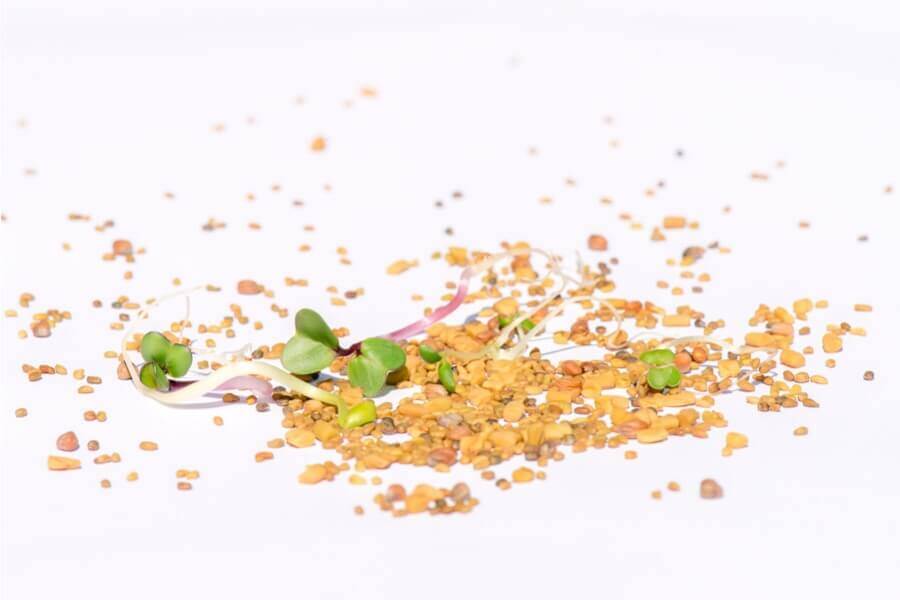
Detox-Mix sprout seeds - superfood from the jar The detox mix contains an exciting combination of 4 sprouted seeds: Alfalfa sprouts Fenugreek sprouts Rocket sprouts Radish sprouts Country of origin of sprouts: Italy and India (fenugreek) How to use detox mix sprouts? As an ingredient for your detox smoothie or to "flavour" your salad. Of course, you can also simply enjoy the sprouts on their own. Instructions for growing detox mix sprouts Soak for 10 hours Rinse in the morning and evening Leave to germinate for 5-6 days
Content: 250 Gramm (CHF 4.37 / 100 Gramm)
Wird über eine gesunde Lebensweise und Ernährung diskutiert, fallen rasch die Worte Rohkost und Vitalkost. Auch bei Entschlackung und Detox-Diäten spielen Rohkost sowie Vitalkost eine wichtige Rolle. Und das hat einen Grund. Denn diese Lebensmittel sind weitestgehend naturbelassen und werden bei der Verarbeitung möglichst wenig erhitzt und beinhalten daher noch praktisch alle der wichtigen Inhaltsstoffe, die dem Körper guttun. Viele Lebensmittel werden heute gekocht, pasteurisiert oder auf andere Weise verarbeitet, bevor sie abgepackt und zum Verkauf angeboten werden. Dabei gehen eine Menge der wesentlichen Vitamine und Enzyme verloren, die eigentlich in den Nahrungsmitteln stecken würden. Bei Rohkost und Vitalkost ist dies anders. Hier wird darauf geachtet, dass diese möglichst schonend verarbeitet werden.
Bio- & Rohkostqualität, wo möglich
Das Ziel von SamaraNatura ist es, möglichst viele Lebensmittel in Bio- & Rohkostqualität anzubieten. Seit Herbst 2015 sind wir zudem als Unternehmen selbst nach Schweizer Recht Bio-zertifziert. Diese Zertifizierung wird jährlich von der Zertifizierungsstelle bio.inspecta in Frick überprüft und sämtliche Produkte sind auf Easy-Cert aufgeführt. Auch unser Logistiker ist Bio-zertifiziert. Leider sind nicht alle Produkte, welche ohne Pestizide angebaut werden auch Bio-zertifiziert. Aufgrund des grossen Einzugsgebietes ist beispielsweise der Sanddorn Ursaft aus Wildsammlung nicht zertifiziert, obwohl er vollkommen unbehandelt ist. Auch Rohkostqualität ist nicht in jedem Fall möglich. In diesem Fall streben wird danach, die bestmögliche Alternative zu bieten, um auch Nahrungsmittel, die etwa aufgrund der Haltbarkeit pasteurisiert werden müssen, so naturnah wie möglich anzubieten und die Verarbeitung so gering und schonend wie möglich zu halten.
Vitalkost einfach in den Alltag integrieren
Ein wesentlicher Vorteil von Vitalkost besteht darin, dass diese Lebensmittel oft direkt in der Form verzehrt werden können, in der sie angeboten werden und in den Handel kommen. Vitale Lebensmittel in Rohkostqualität, die sich sehr einfach in jeden Speiseplan einfügen lassen und sich auch als schmackhafte Snacks für zwischendurch eignen sind beispielsweise:
- Goji-Beeren aus biologischem Anbau
- Cashewkerne
- Nussmuse
- Weisse Maulbeeren in Bio-Qualität
- Kokos-Chips
- Hunza-Aprikosen (Wildaprikosen mit Stein) aus biologischem Anbau
- Kokoswasser als kühle Erfrischung
- Granatapfelkerne
Die Lebensmittel sind praktisch abgepackt, sodass sie sich leicht mitnehmen und auch unterwegs einfach verzehren lassen. Immer genau dann, wenn ein neuer Energieschub nötig ist oder auch einfach nur, um den Körper auch im Alltag mit all den Stoffen zu versorgen, die er benötigt. Denn viele Menschen tun sich schwer damit, in unserer schnelllebigen Zeit gesund zu essen und einen Speiseplan zu verfolgen, der dem Körper all die Nährstoffe liefert, die nötig wären.
Warum ist Superfood so gesund?
Bei vielen Nahrungsmitteln, die als Rohkost oder Vitalkost verfügbar sind, handelt es sich um so genannte Superfoods. Als solche werden Früchte, Nüsse, Algen, Wurzeln und andere Produkte der Natur bezeichnet, die aufgrund ihrer Inhaltsstoffe als wahre Wunder-Nahrung bezeichnet werden können. Vielfach werden und wurden diese in der traditionellen Medizin verschiedener Regionen und Kulturen als Heilpflanzen angesehen. Ihre grosse Stärke liegt darin, dass sie eine überdurchschnittlich hohe Menge an Vitaminen, Enzymen, Mineralstoffen und anderen Elementen enthalten, die dazu beitragen, uns vital und gesund zu fühlen und auch zu sein.
Werden diese in Form von Rohkost verzehrt, also ohne sie vorher beim Konservieren oder Trocknen über 42 Grad Celsius zu erhitzen, zu kochen oder ähnlich zu verarbeiten, ist der Effekt natürlich umso grösser, da die Inhaltsstoffe auch wirklich noch vorhanden sind. Sämtliche Nuss-Muse unseres Berner Lieferanten werden im schonenden Steinmahlverfahren während 2 bis 3 Tagen produziert. Dadurch bleiben auch die natürlichen und leckeren Aromen optimal erhalten.
Vitalkost als Pulver
Nicht immer muss Vitalkost als Rohkost verzehrt werden. Die grosse Auswahl an Produkten ermöglicht es, die wertvollen Zutaten auch beim Kochen einfach und praktisch zu verwenden. Ein Klassiker darunter ist selbstverständlich das Kurkuma-Pulver. Das Gewürz, das in der Ayurvedischen Ernährung vielseitige Anwendung findet, sieht auf den ersten Blick dem Curry sehr ähnlich und wird auch gerne zu Curry-Rezepten verwendet. Darüber hinaus wird es in Suppen, Aufläufen und Reisspeisen ebenso gerne verwendet wie auch in Smoothies. Ein in unseren Breitengraden noch weniger bekanntes Nahrungs- und Würzmittel in Pulverform ist hingegen Mesquite. DasMesquite-Pulver findet in der traditionellen Küche nord- und südamerikanischer Ureinwohner-Völker Anwendung und eignet sich perfekt als gesundes Süssungsmittel. Mit seinem relativ hohen Proteingehalt sowie vielen Mineralstoffen wie Eisen, Kalzium, Magnesium, Eisen und Zink versorgt es den Körper mit wichtigen Nährstoffen und fasziniert gleichzeitig durch einen besonderen, Caramel ähnlichen Geschmack.
Öle zum Verfeinern und Abschmecken
Perfekt zur Zubereitung von Rohkost wie etwa für Salate eignen sich wirklich kaltgepresste Öle. Die Öle im Shop von SamaraNatura sind alle kalt gepresst und aus biologischen Samen. Durch die schonende Gewinnung bleiben die natürlichen Aromen, Vitamine und die Fettsäuren optimal erhalten. Einige unserer Öle werden darüber hinaus aus Schweizer Ölsamen hergestellt wie etwa das kaltgepresste Schweizer Bio-Hanföl oder das Leindotteröl. Kaltgepresste Öle sind hitzeempfindlich. Bei starkem Erhitzen, z.B. Braten, können giftige Verbindungen entstehen. Eine der wenigen Ausnahmen ist das Kokosöl, welches vorwiegend aus gesättigten Fettsäuren besteht sowie das High-Oleic Bio Sonnenblumenöl.
Wertvolle Rohkost aus dem Meer
Nicht nur der biologische Anbau an Land bietet wertvolle Superfoods und energie- wie auch vitaminreiche Rohkost. Eine Vielzahl an nähr- und mineralstoffreichen Nahrungsmitteln stammt auch aus dem Meer.
Dazu gehören:
- Meeresalgen-Würz-Mix, sehr praktisch, da die kleingehackten Algen sich einfach in fast alle Gerichte streuen lassen und den Gerichten KEINEN bzw. einen kaum bemerkbaren Algengeschmack geben
- Meeres-Algen für Salat
- Fingertang oder Atlantischer Kombu
- Riementang
- Dulse oder Lappentang
- Kelp-Nudeln als Alternative zu Pasta: einfach einweichen und mit einer Pasta-Sauce mischen
Einige dieser Meeresgemüse enthalten hohe Mengen an Eisen, Folsäure, Magnesium, Selen, Chrom und vielen anderen Elementen, die wir im normalen Alltag oft nur zu selten und in zu geringen Mengen zu uns nehmen. Darüber hinaus geben Algen und Tang verschiedenen Rezepten eine ganz besondere Geschmacksnote, die vor allem bei Freunden mediterraner und asiatischer Küche sehr gut ankommt. Damit sorgt auch diese Rohkost sowie Vitalkost für willkommene kulinarische Abwechslung. Wir beziehen den grössten Teil unserer Meeresgemüse aus dem wilden, wenig berührten Nordwesten von Irlands Atlantikküste.
Mikroalgen aus Aquakultur
Neben den oben beschriebenen Meeresgemüse (Makroalgen) bieten sich Mikroalgen als natürliche Nahrungsergänzung wunderbar an. Sie haben mit rund 60% Anteil nicht nur den weitaus höchsten Gehalt an Proteinen aller natürlicher Lebensmittel, sondern sind auch reich an anderen wichtigen Nährstoffen wie Mineralien und Chlorophyll. Mikroalgen für die Ernährung werden in Aquakultur angebaut. SamaraNatura bietet u.a. folgende Mikroalgen für die menschliche Ernährung an:
- Spirulina mit seinen leicht verdaulichen Proteinen, in Pulver- oder Tablettenform
- Chlorella, in Tablettenform
- Marines Phytoplankton, in ionischer Spurenelement-Lösung